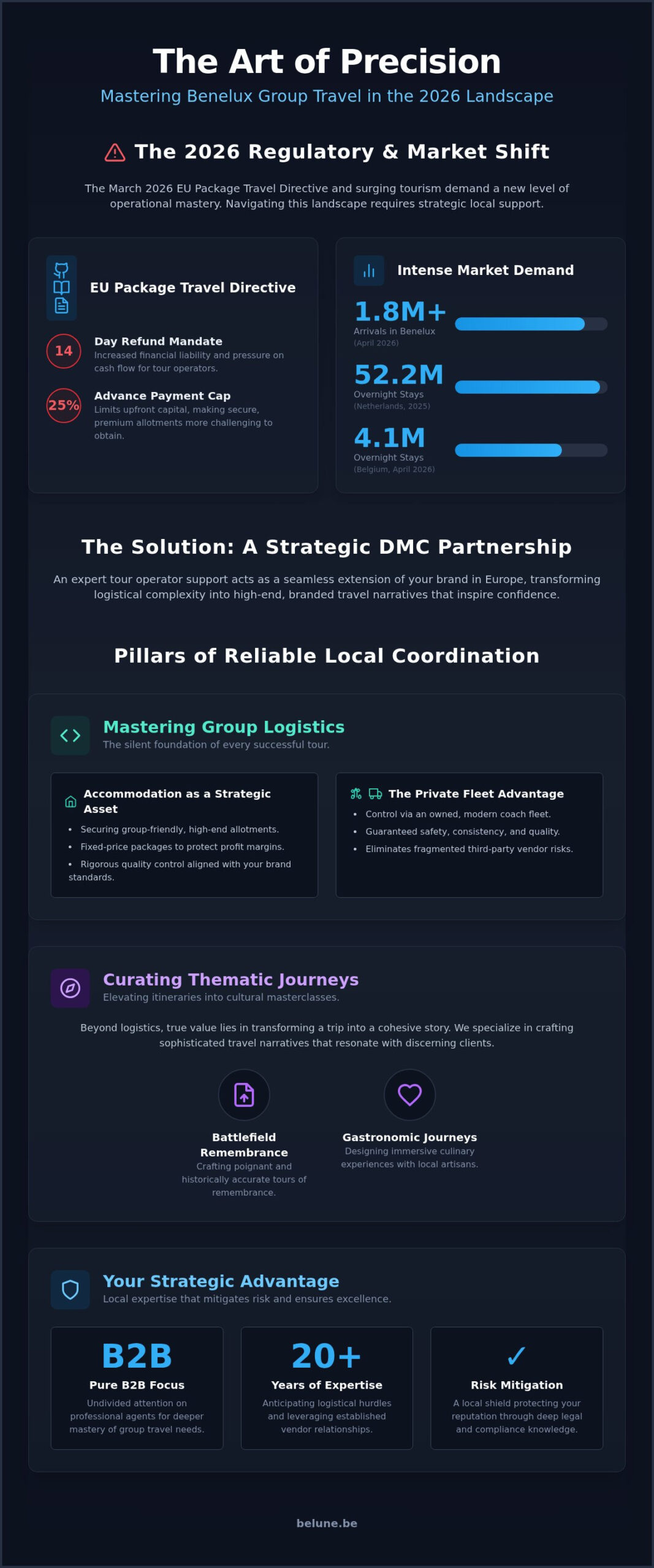
What if the logistical friction of multi-country group travel simply vanished, replaced by the precision of a master artisan? In a period where the March 2026 EU Package Travel Directive has redefined operational risks, finding expert tour operator support benelux isn’t just a convenience. It’s a strategic necessity. You’ve likely felt the pressure of managing 14-day refund mandates and the 25% advance payment cap while trying to secure premium allotments in a region that saw over 1.8 million arrivals in April 2026 alone.
We believe your brand deserves a seamless extension in Europe, not a series of fragmented vendor headaches. This guide reveals how a professional DMC partnership elevates complex group movements into high-end, branded experiences that resonate with your clients. We’ll explore the technical mastery of private coach fleets, the art of securing exclusive hotel rates, and the thematic expertise required to lead the market. From battlefield history to gastronomic journeys, discover how to transform regional complexity into a harmonious travel narrative that inspires confidence and captures the imagination.
Key Takeaways
- Understand how professional tour operator support benelux acts as a strategic extension of your brand, navigating the technical complexities of 2026 regulations with visionary precision.
- Discover the logistical power of integrating exclusive hotel accommodation management with a modern, private coach fleet to ensure seamless group transitions.
- Learn to elevate your portfolio by transforming standard itineraries into curated cultural masterclasses, specializing in themes like battlefield remembrance and gastronomy.
- Explore the financial advantages of fixed-price group tour packages that provide predictability and high-end quality control across the entire region.
- Leverage over 20 years of local industry expertise to anticipate logistical hurdles and craft sophisticated travel narratives that inspire your most discerning clients.
Understanding the Scope of Professional Tour Operator Support in Benelux
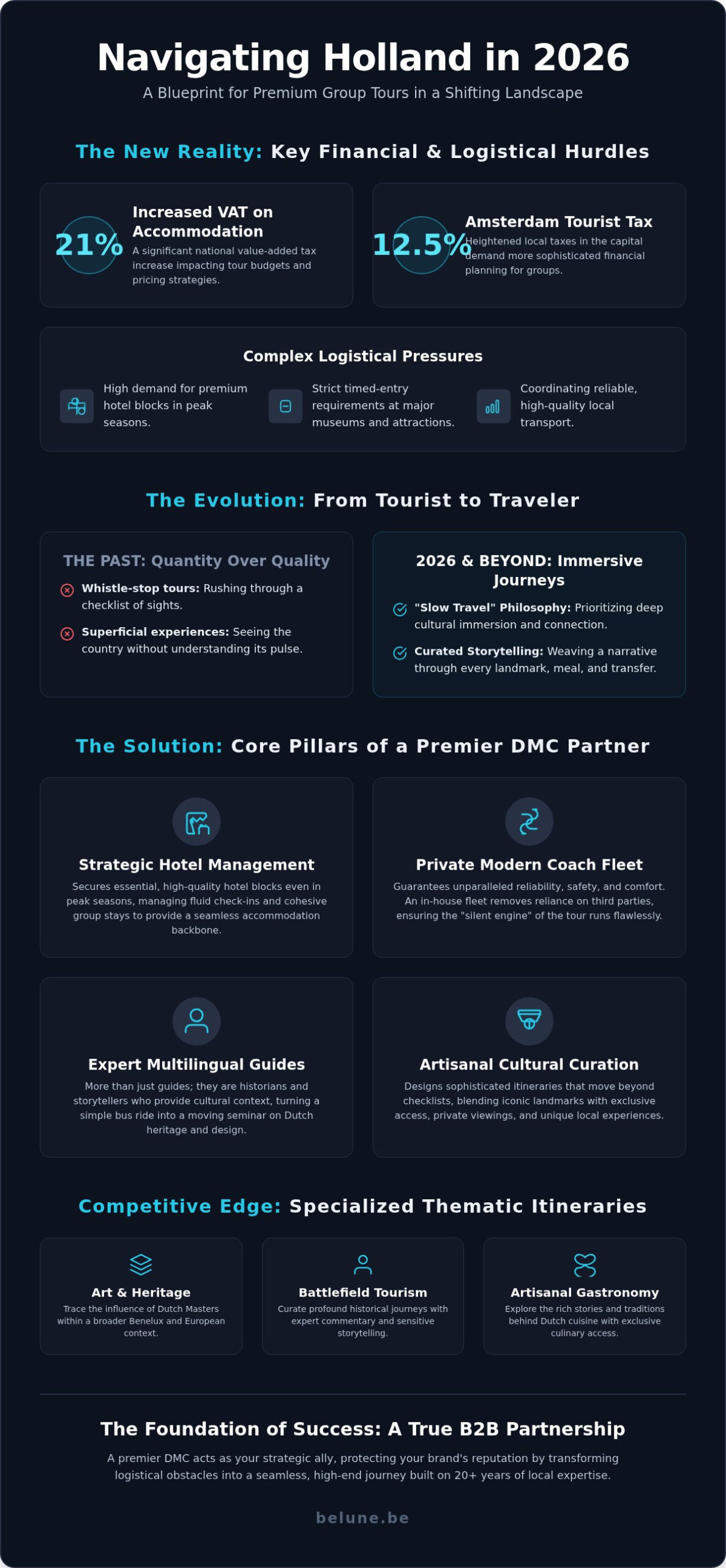
The 2026 travel landscape demands a new level of technical rigour. With the March 2026 updates to the EU Package Travel Directive, the operational margin for error has effectively vanished. For international agencies, tour operator support benelux is no longer a peripheral service. It’s a structural necessity. We see the DMC role as a visionary orchestration of logistics, where every movement is a deliberate brushstroke in a larger cultural narrative. This isn’t just about booking rooms; it’s about the artisanal assembly of an experience that reflects your brand’s excellence.
Local presence isn’t just about proximity. It’s about authority. In a region where the Netherlands recorded 52.2 million overnight stays in 2025, the sheer volume of logistics requires a specialized touch. While a Benelux travel guide provides the map, an expert partner provides the terrain’s pulse. This transition from simple booking to strategic orchestration ensures that high-stakes group travel remains both poetic and precise. We transform the technical complexity of the region into a fluid, effortless journey for your clients.
The Strategic Value of an Incoming Partner
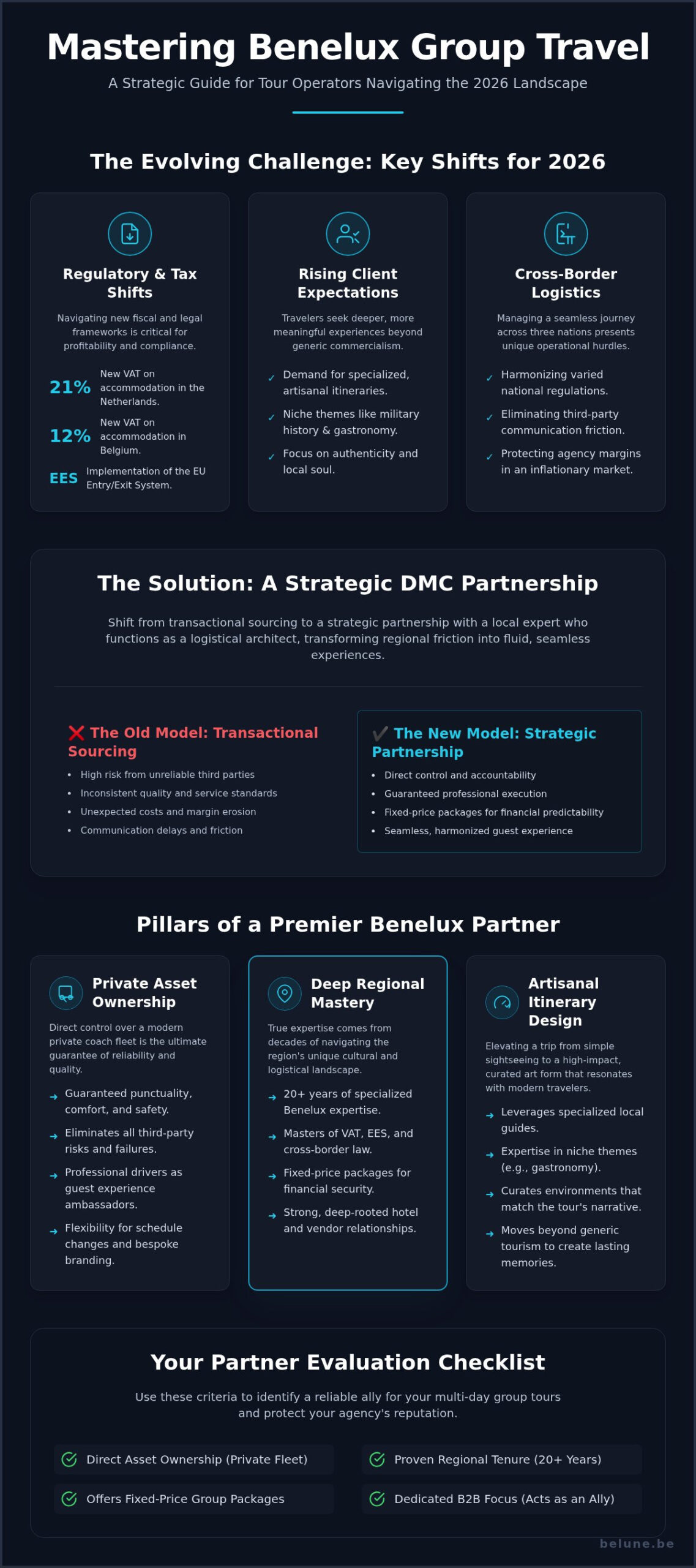
Risk mitigation has become a cornerstone of modern travel planning. The 2026 regulations, which mandate 14-day refund windows and cap advance payments at 25%, require a partner who understands the legal architecture of the region. We act as your local shield. By leveraging established vendor relationships and a deep understanding of local compliance, we protect the most valuable asset you have: your reputation. We bridge the gap between your international vision and the intricate operational realities on the ground. Every vendor is vetted, and every contract is managed to ensure that your standards are never compromised by local variables.
B2B Synergy: Why Specialization Matters
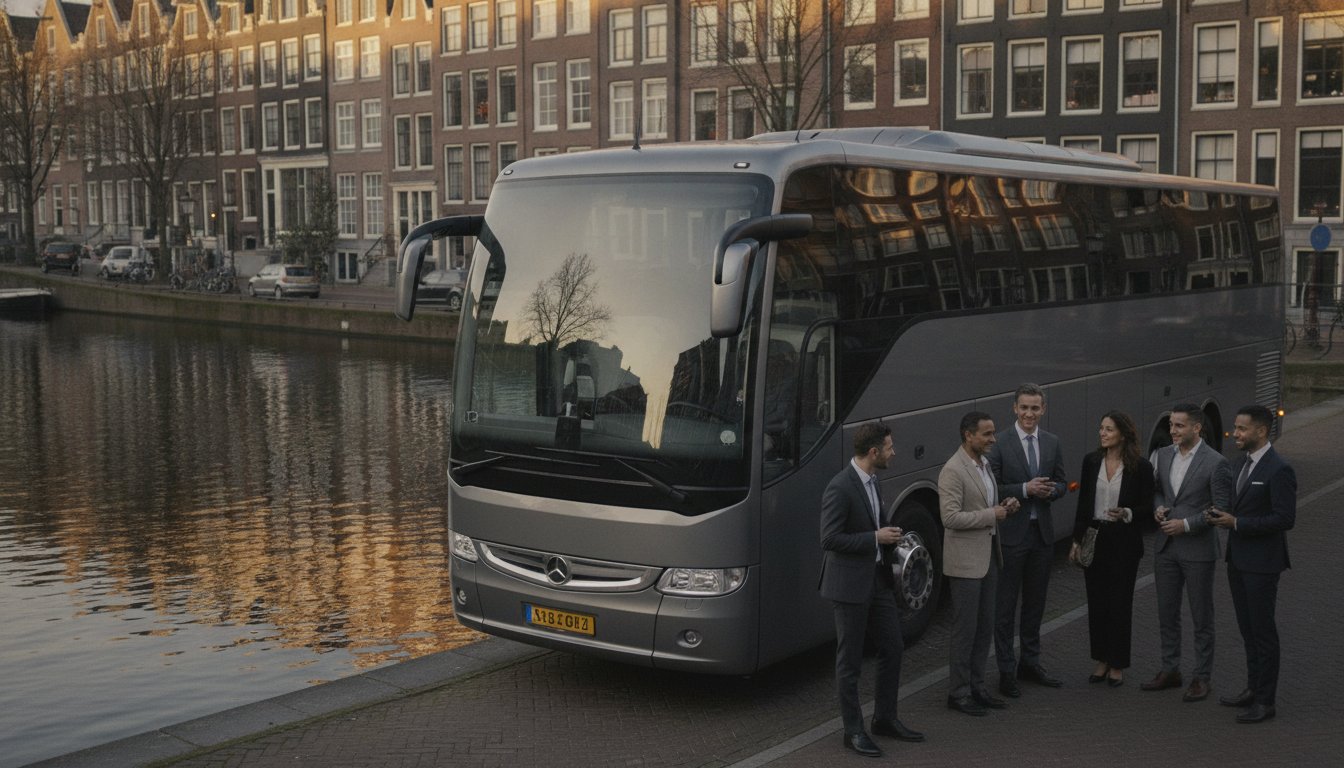
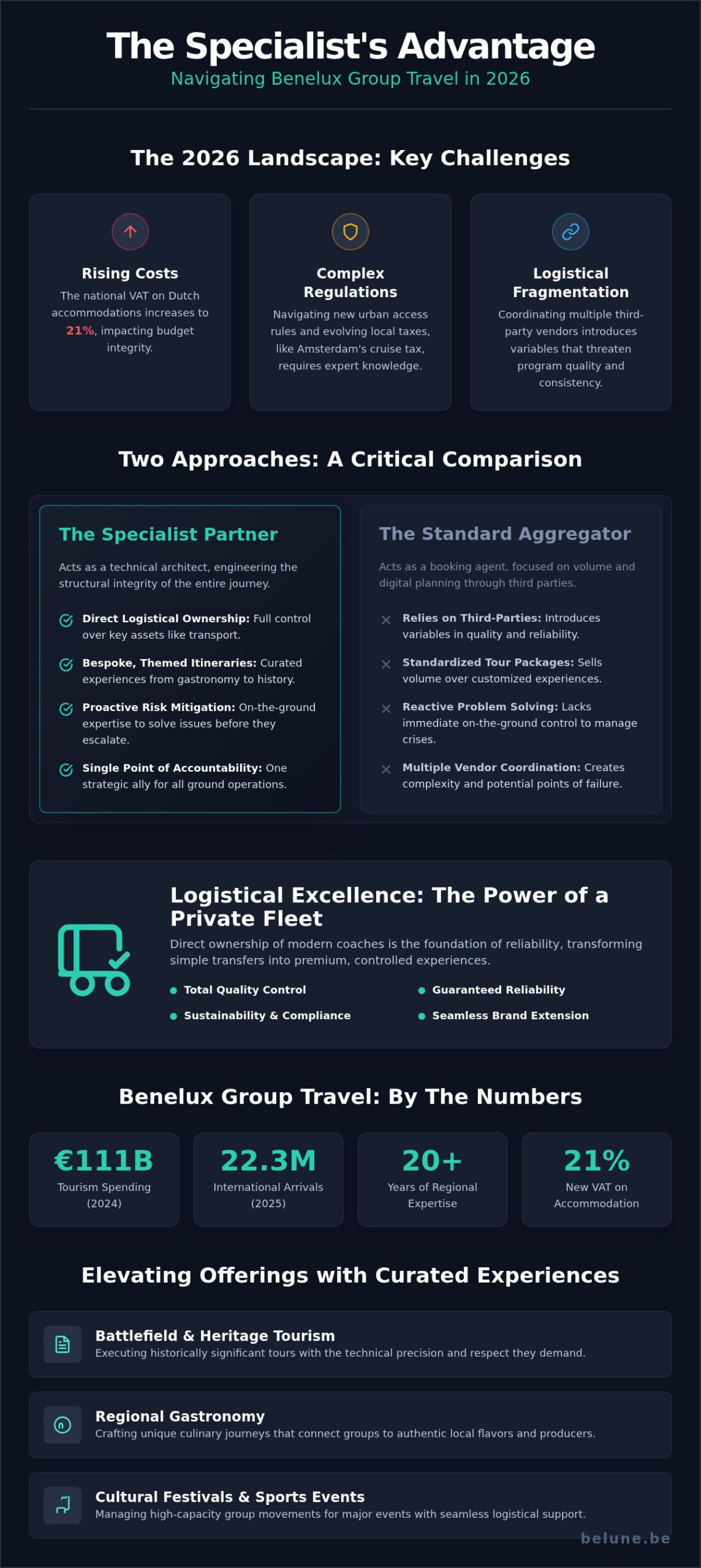
Exclusivity is the hallmark of professional excellence. A partner dedicated purely to B2B collaboration offers a level of focus that B2C-oriented providers simply cannot match. We don’t divide our attention between individual tourists and professional agents. This singular focus allows for a deeper mastery of group-friendly hotel allotments and the management of a private, modern coach fleet. Consistency is the goal. As groups transition across the region, the quality of guide services and transportation must remain uniform. This specialized tour operator support benelux ensures that complex, multi-country itineraries feel like a single, seamless experience. It’s about creating a harmonious flow that respects the intelligence of the traveler and the professionalism of the agent.
Mastering Group Logistics: The Pillars of Reliable Local Coordination
Reliability in group travel begins with the technical architecture of the journey. In a landscape where Belgian overnight stays reached 4,142,960 in April 2026, the demand for precision is absolute. Effective tour operator support benelux requires more than just reactive booking. It demands a proactive orchestration of moving parts. We view logistics as a silent foundation. When executed with mastery, it allows the cultural narrative of the tour to take center stage. This involves a dual focus on static comfort and fluid movement, ensuring that every transition feels intentional rather than accidental.
Accommodation Management as a Strategic Asset
Securing the right hotel allotments is an art of relationship management. According to official Belgian tourism statistics, the variety of lodging options continues to evolve, requiring a partner who can navigate capacity trends with 20+ years of local expertise. We source group-friendly allotments that align with high-end brand standards. By providing fixed-price group tour packages, we protect your profit margins from the volatility of the 2026 market. This financial predictability is paired with rigorous quality control, ensuring that every room meets the specific expectations of your professional clientele.
The Private Fleet Advantage
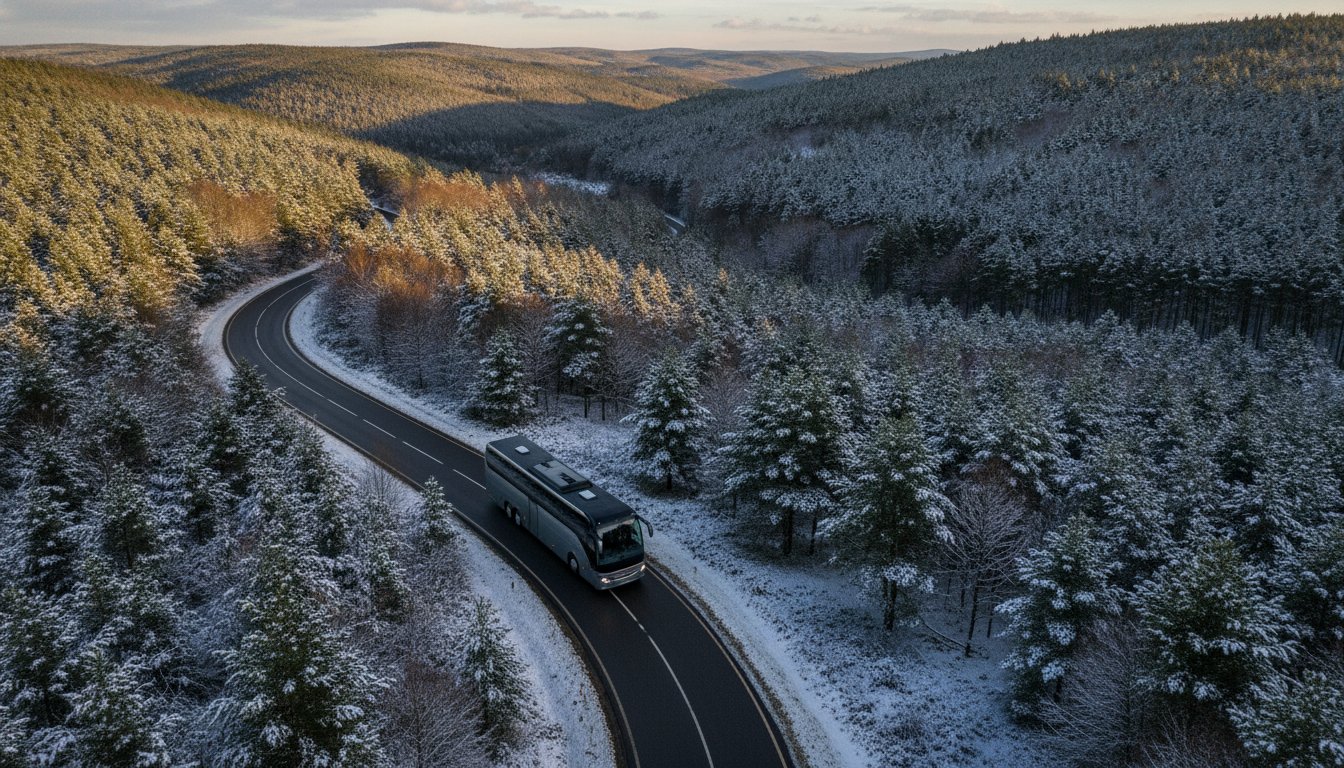
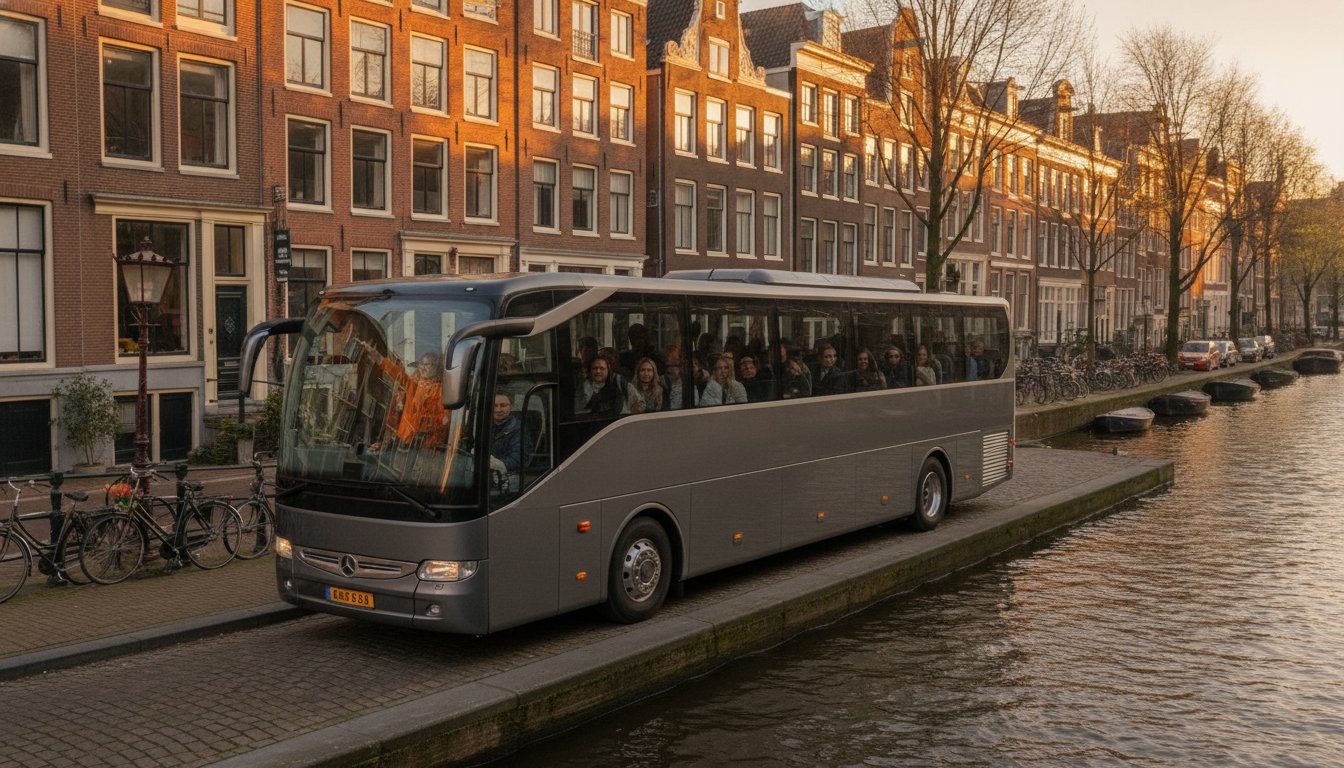
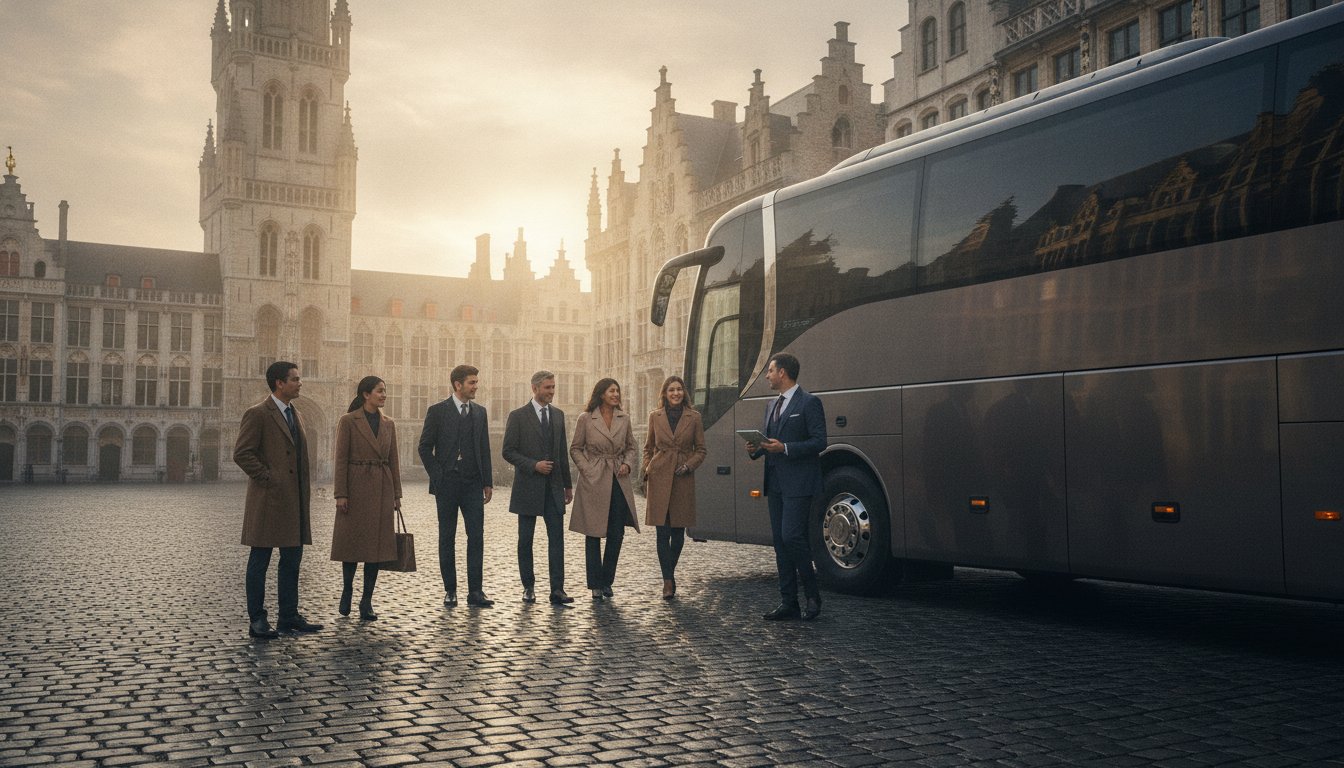
Control is the ultimate guarantee of safety. Unlike providers who rely on fragmented third-party rentals, we operate our own fleet of modern coaches. This ownership is a critical differentiator. It means every vehicle in our 2026 fleet meets the highest ecological and technological standards, offering your groups a sanctuary of comfort on the road. Our professional drivers are more than just operators. They are the silent ambassadors of your brand. By managing our fleet internally, we synchronize transportation with local guide services and international train or flight arrivals with surgical timing. This integration eliminates the friction points that often plague multi-country itineraries.
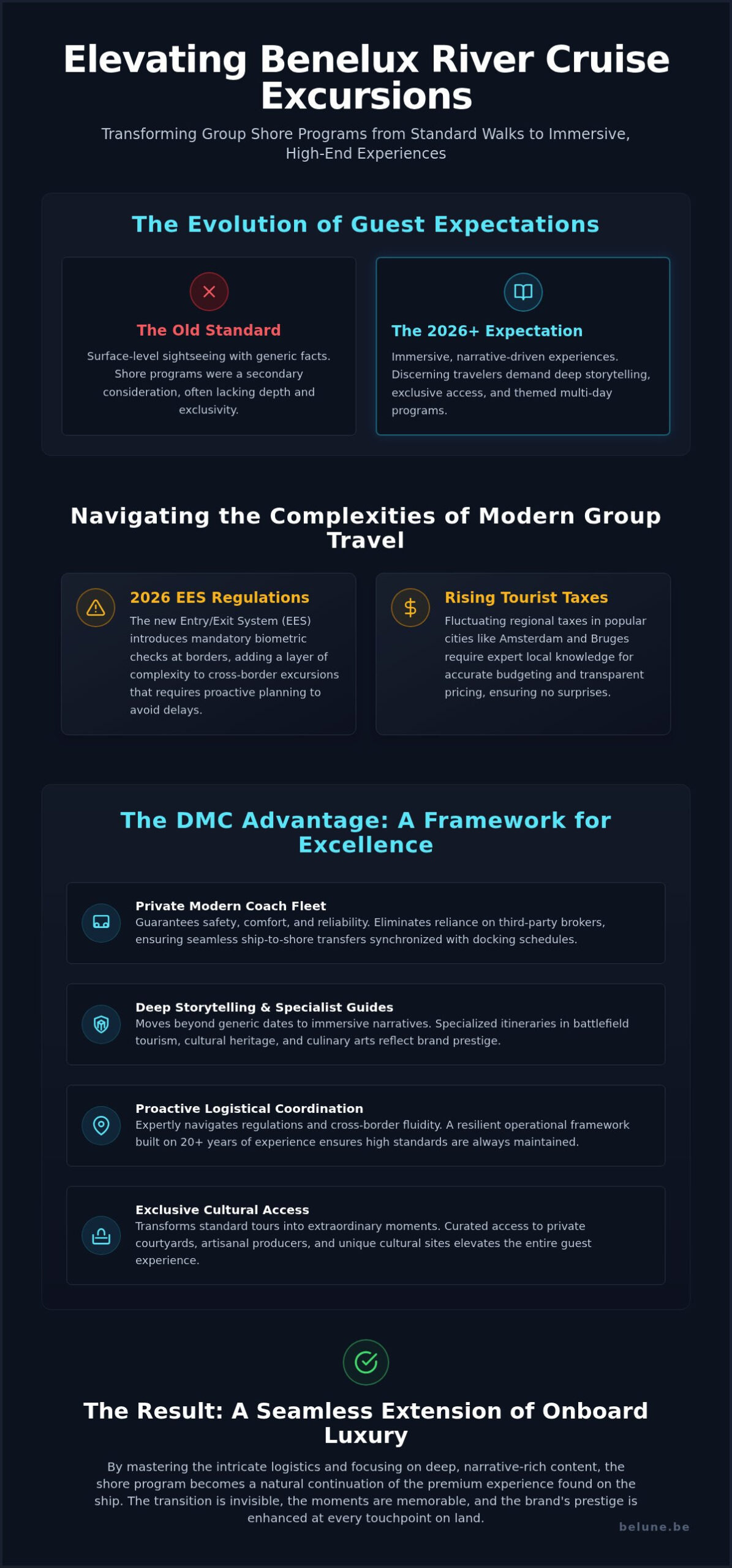
Seamless coordination extends to the human element. Our multilingual guide services provide the essential bridge between local heritage and guest curiosity. Whether managing complex transfers or synchronizing river cruise excursions, our team acts as your technical advisor on the ground. This comprehensive approach to tour operator support benelux ensures your brand remains the hero of the story. If you seek to refine your regional operations through artisanal logistics, consider how a dedicated B2B partnership can transform your portfolio.
Beyond Logistics: Curating Thematic Journeys and Cultural Storytelling
True excellence in travel isn’t just about arriving. It’s about the resonance of the destination. With tourism spending in the Netherlands reaching over 111 billion in 2024, the market’s scale demands a sophisticated approach to storytelling that transcends basic sightseeing. We don’t just book tours; we curate cultural masterclasses. This is where tour operator support benelux shifts from a service to an art form. By transforming standard itineraries into visionary narratives, we help you capture the imagination of a more discerning global audience.
Our thematic specialization allows you to offer experiences that feel deeply personal yet technically flawless. We integrate high-profile events like F1 Francorchamps or Tomorrowland into structured group programs, managing the intense logistics these spectacles require. For groups seeking a more active connection to the land, our cycling tours transform the regional landscape into a living gallery. Every journey is designed to be a component of your brand’s wider promise of quality and exclusivity.
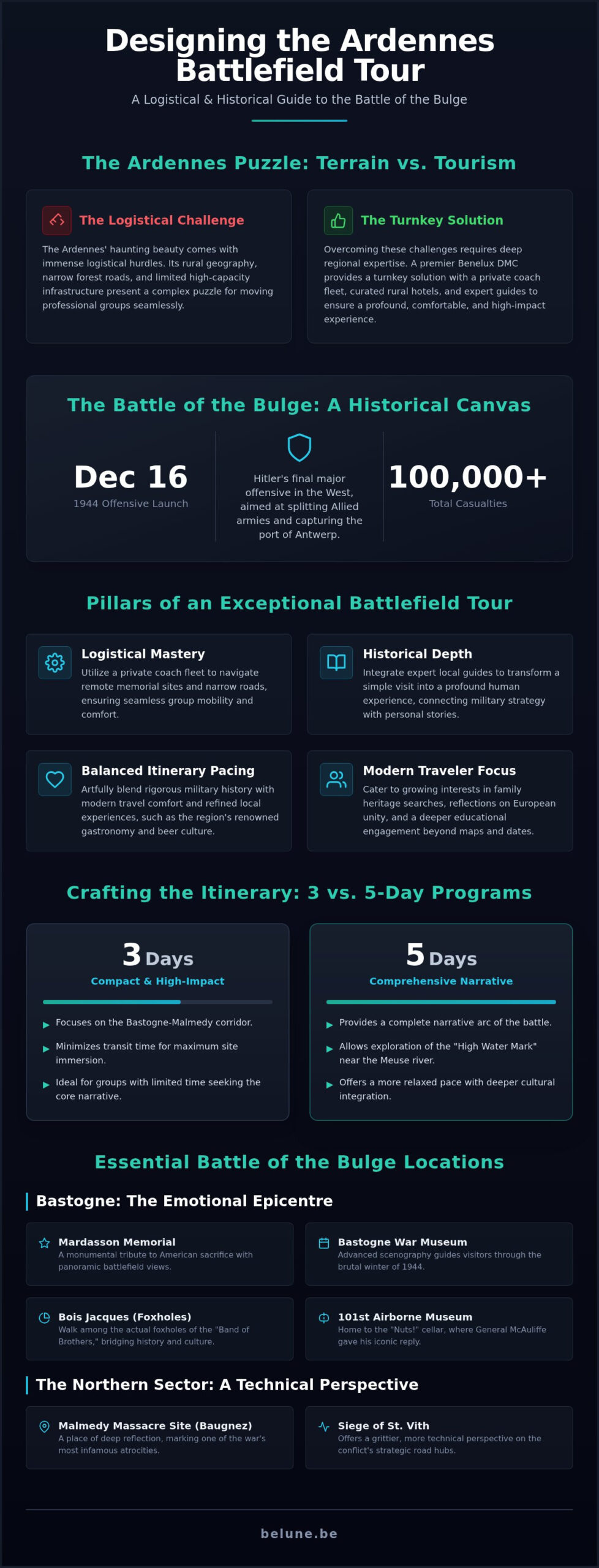
Battlefield Tourism and Historical Remembrance
History requires a delicate, expert hand. Battlefield tourism isn’t just a visit; it’s an act of remembrance that demands technical precision and emotional intelligence. We provide access to expert local guides who specialize in heritage and military history, ensuring that the educational narrative is both accurate and moving. This specialization is essential for discerning historical groups. We manage the intricate access requirements and timing necessary to create a respectful, profound experience that honors the weight of the past while providing modern comfort.
Gastronomy and the Art of the Experience
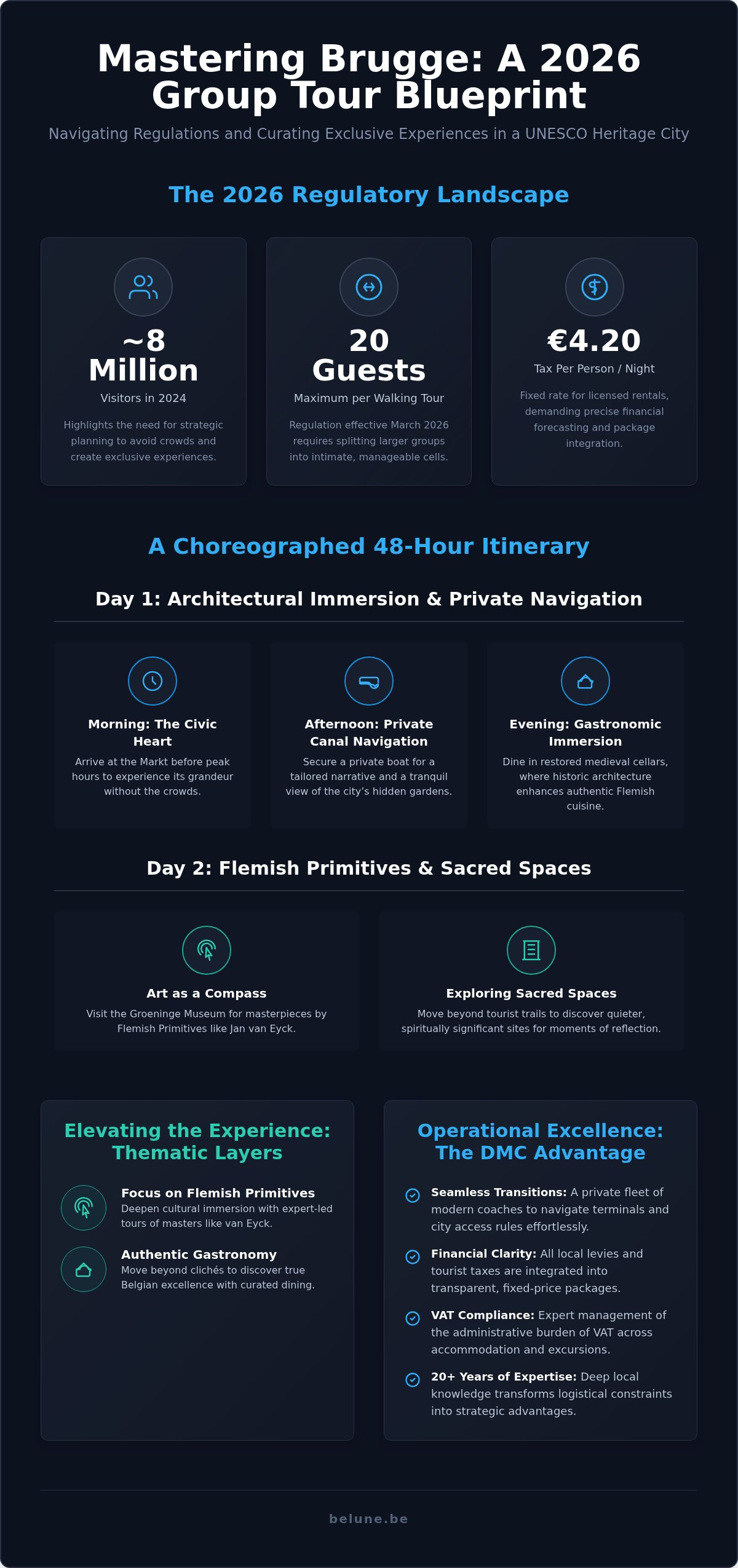
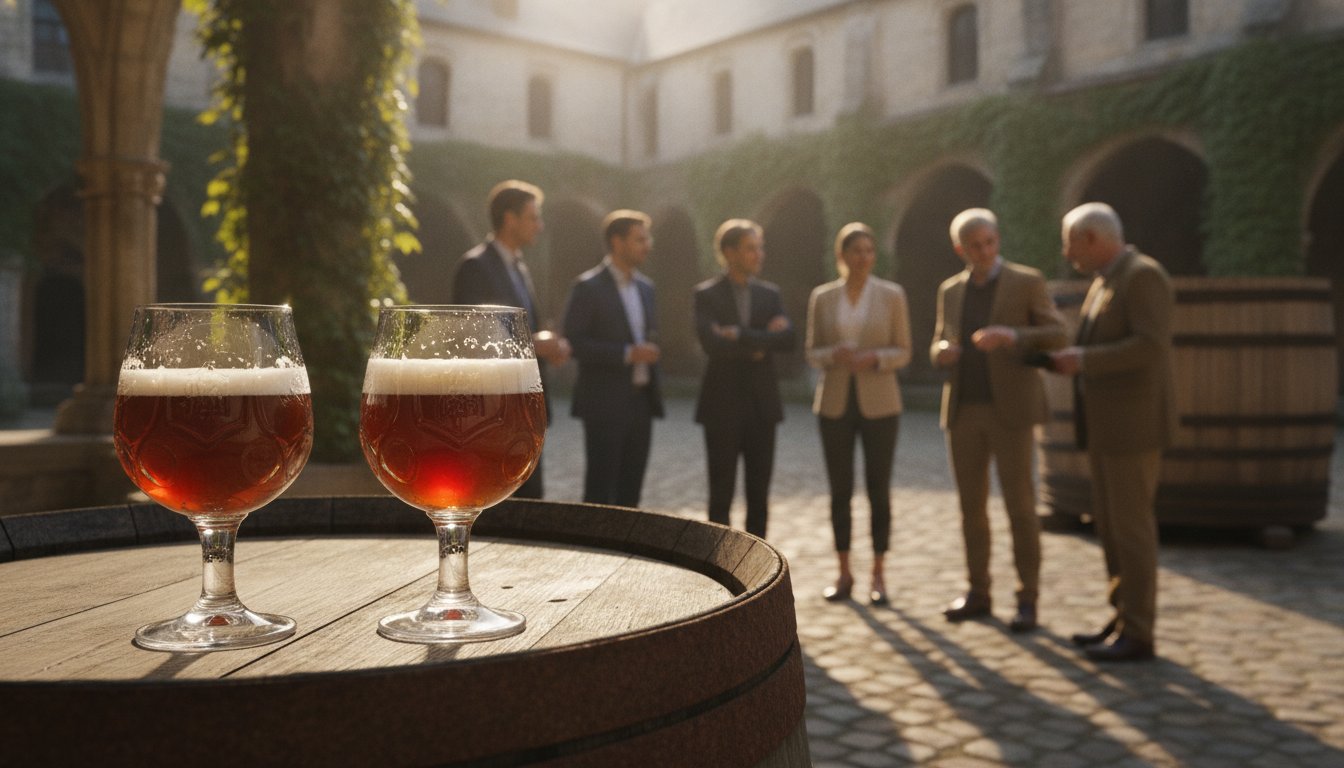
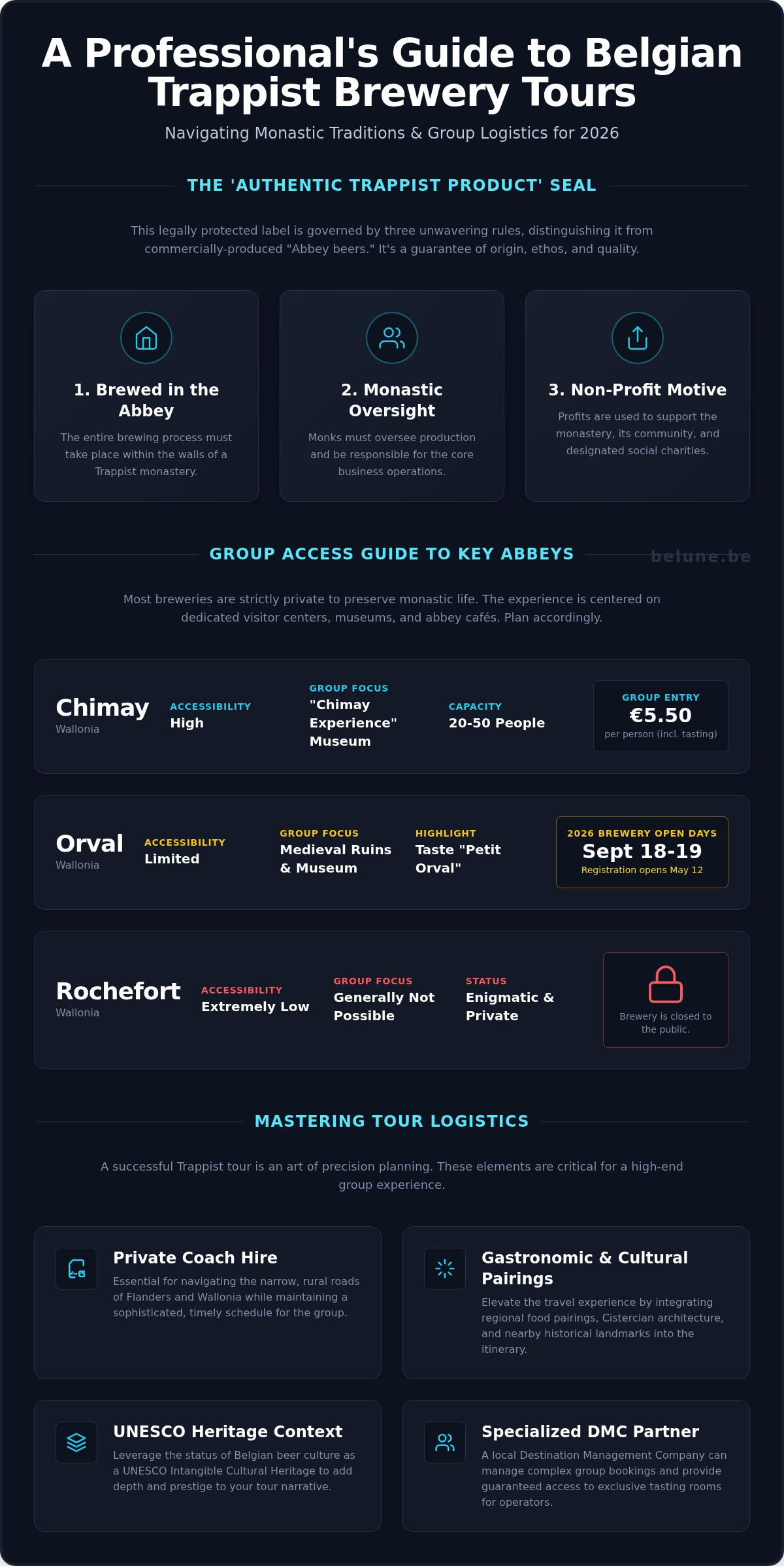
Gastronomy serves as the sensory pulse of the region. From beer experience tours to high-end artisanal workshops, we source culinary encounters that reflect deep regional identity. Managing high-end group dining for large parties requires surgical logistics and established local influence. We view gastronomy as a structural component of a visionary travel program, not just a meal break. Whether it’s a private workshop with a master chocolatier or a curated tasting in a historic cellar, we ensure every flavor contributes to a harmonious and unforgettable travel story. This level of tour operator support benelux ensures that your clients don’t just see the region; they taste its soul.
The Strategic Advantage of Local Professional Support
Expertise is the ability to anticipate. With over 20 years of market presence, we’ve refined the art of seeing logistical hurdles before they manifest. In the Benelux region, where three distinct regulatory environments intersect, local knowledge becomes a technical asset. We act as your on-the-ground advisor. We ensure that every legal requirement of the 2026 landscape is met with surgical precision. This tour operator support benelux provides the peace of mind necessary for you to focus on your clients’ emotional experience.
Itinerary Planning as a Technical Discipline
Designing a route is an exercise in balance. We weigh the artistic desire for deep cultural immersion against the hard constraints of transport logistics and timing. It’s a methodology that transforms a list of sights into a fluid movement across borders. When choosing a Benelux incoming tour operator, the ability to harmonize these conflicting demands is the primary differentiator. We don’t just map distances. We calibrate the rhythm of the journey to ensure your groups never feel rushed or stagnant. This technical rigour is what separates a standard tour from a masterpiece.
Risk Management and Operational Rigueur
Reliability is born from preparation. Our role as a trusted ally means providing 24/7 support that remains both invisible and omnipresent. Whether it’s a sudden flight delay or a vendor adjustment, our team responds with the calm authority that only decades of experience can provide. This level of tour operator support benelux prevents the small frictions of travel from escalating into logistical failures.
Tour operator support is the invisible architecture of a successful journey.
By positioning ourselves as a structural extension of your own team, we ensure that your brand promise remains intact regardless of external variables. We invite you to elevate your regional operations through our specialized B2B framework. Connect with our strategic advisors to begin your 2026 planning.
Elevating Your Portfolio through Visionary Partnership with BELUNE
Choosing a partner is an act of trust. For international agencies, securing high-end tour operator support benelux means finding a team that mirrors their own dedication to excellence. We don’t view ourselves as a mere service provider. We’re a visionary creator. Our goal is to transform the technical requirements of group travel into a seamless, branded extension of your own agency. By offering fixed-price group tour packages, we provide the financial predictability essential for navigating the complexities of the 2026 travel market. This stability allows you to focus on the poetry of the journey while we manage the prose of the logistics.
The BELUNE Methodology
The BELUNE Methodology is rooted in minimalist elegance. We believe true luxury lies in the absence of friction. Our creative planning team works in direct synergy with our private transport fleet. This ensures every itinerary is both artistically ambitious and technically sound. This internal alignment is a core pillar of our success. For those refining their selection process, the definitive guide to choosing a group travel agency offers a deeper look into the standards you should demand from a local partner. Customization isn’t an upgrade here. It’s our standard. We tailor every detail to reflect your specific brand vision.
Building Lasting Professional Partnerships
Long-term B2B collaboration is the foundation of consistent quality. We’ve spent over 20 years refining our presence in the region. We’ve built a network of trusted hotel and guide partnerships that benefit our allies. Our purely B2B focus ensures your interests are always our priority. We invite you to co-create exceptional experiences that will define your 2026 portfolio. By combining our technical rigour with your market vision, we can orchestrate tours that resonate deeply with your clients. It’s time to initiate a collaborative project that transforms the way you view tour operator support benelux. Connect with our Benelux travel experts to begin the journey.
Orchestrating the Future of Benelux Group Travel
The 2026 travel landscape requires more than just a vendor; it demands an architect of experiences. We’ve explored how the integration of a private coach fleet and artisanal hotel management creates a foundation of absolute reliability. By shifting from standard logistics to curated thematic storytelling, your portfolio gains the depth and exclusivity that modern travelers crave. This sophisticated approach to tour operator support benelux ensures that every journey is a seamless reflection of your own brand’s excellence.
Our B2B-exclusive partnership model is built on 20+ years of operational mastery and a commitment to visionary collaboration. We don’t just provide services; we co-create narratives that inspire. With our own fleet of high-comfort coaches and a deep bench of local experts, we stand ready as your trusted strategic ally. It’s time to transform regional complexity into a harmonious success for your next group project. Request your custom Benelux group tour itinerary from the experts at BELUNE and discover the power of a truly integrated partnership. Let’s design something extraordinary together.
Frequently Asked Questions
What exactly is included in tour operator support for the Benelux region?
Professional tour operator support benelux encompasses a comprehensive orchestration of group travel logistics. This includes sophisticated hotel accommodation management, the deployment of a modern private coach fleet, and the coordination of expert local guide services. We act as a technical advisor, managing everything from international train bookings to exclusive cultural exhibitions. This integrated approach ensures that every structural component of the tour is managed with a visionary perspective and artisanal precision.
How does a DMC help with group hotel accommodation management?
A specialized DMC acts as a strategic bridge to the regional hospitality sector. We leverage over 20 years of industry experience to source and manage group-friendly hotel allotments that align with high-end brand standards. By securing fixed-price packages, we protect your profit margins from market volatility. Our team handles the technical rigour of booking management and quality control, ensuring that your groups experience consistent excellence across the entire region.
Can a local partner assist with specialized themes like battlefield or gastronomy tours?
Yes, specialized thematic curation is a core pillar of our expertise. We transform standard itineraries into curated cultural masterclasses, focusing on high-complexity themes like battlefield tourism and gastronomy. Our team provides access to expert guides who possess deep knowledge of regional heritage and culinary identity. Whether it’s a beer experience tour or a historical remembrance journey, we ensure the narrative is as technically flawless as it is emotionally resonant.
Why is it better to work with a partner that owns its own coach fleet?
Ownership of a private fleet is the ultimate guarantee of reliability and safety. It allows for a level of quality control that third-party rentals cannot replicate. Our modern coaches meet the highest 2026 standards for comfort and ecological compliance. By managing our own fleet, we synchronize transportation with local guide services and international arrivals with surgical timing. This integration eliminates logistical friction, ensuring your brand’s reputation remains untarnished throughout the journey.
What are the benefits of fixed-price group packages for international travel agents?
Fixed-price group tour packages offer essential financial predictability in a complex travel landscape. These packages simplify your billing process and protect your agency from unexpected local cost fluctuations. By providing a clear, per-person rate for comprehensive tour operator support benelux, we allow you to focus on marketing and sales with confidence. This model supports long-term B2B collaboration by ensuring that high-end quality remains accessible and financially manageable for your organization.
How does a Benelux DMC handle multi-country logistics and border crossings?
Managing multi-country logistics requires a deep understanding of the distinct regulatory environments within the three nations. We provide a unified operational framework that makes border crossings invisible to the traveler. Our team coordinates international flight and train bookings while managing the technical nuances of each country’s specific tourism laws. This seamless integration ensures that your groups experience the region as a harmonious whole, rather than a series of fragmented stops.
What level of language support can I expect for my group guides?
You can expect a high level of multilingual support from guides who are experts in regional storytelling. Our local guide services are tailored to the specific language requirements of your group, ensuring deep cultural immersion. These professionals act as the human bridge to the destination, providing insights that go beyond standard sightseeing. Whether your group requires technical expertise in art history or specialized military knowledge, our guides deliver their message with professional poise and linguistic precision.