What if the true success of a 2026 flanders group tour itinerary isn’t measured by the number of sites visited, but by the seamless flow between them? Designing a journey through this historic landscape requires more than just a list of monuments; it demands an artistic approach to logistics and a deep understanding of the region’s evolving infrastructure. You likely feel the pressure of rising costs, such as the 12% VAT on accommodation, and the challenge of balancing the somber weight of WWI history with the light, sensory joy of Belgian gastronomy.
We understand that as a professional, you’re looking for more than a simple route. You need a strategic alliance that transforms complex travel requirements into a fluid, high-end experience for your clients. This guide offers a turn-key framework to help you master the unique landscape of the coming year, from managing coach movements during the busy April cycling season to securing elite stays in historic centers. We’ll detail reliable transport solutions, exclusive cultural touchpoints, and the technical secrets to a friction-free Belgian experience.
Key Takeaways
- Learn why it’s the density of UNESCO sites that makes Flanders ideal for 2026’s shift toward slow travel and cultural immersion.
- Access a professional 5-day flanders group tour itinerary that balances the depth of art history with technical logistical demands.
- Discover why a dedicated coach fleet is the critical factor in managing group flow through narrow historic centers and rural battlefields.
- Master the art of balancing remembrance tourism at WWI sites with lighter, sensory experiences like Flemish gastronomy and beer tours.
- Understand how a DMC’s two decades of local relationships help you navigate capacity shifts and unexpected logistical hurdles.
Why Flanders Remains a Premier Choice for Group Tours in 2026
Flanders is a masterclass in spatial efficiency. Within a few hours of driving, your groups can transition from the medieval spires of Ghent to the solemn ridges of the Ypres Salient. This proximity is the backbone of a successful flanders group tour itinerary, allowing for a richness of experience without the fatigue of long transit times. In 2026, the region is positioning itself as the epicenter of slow travel. Travelers no longer want a mere checklist; they want a narrative. They seek deep-dive cultural immersion that connects the landscape to the soul.
When researching About Flanders, one discovers a region that has perfected the art of the multi-layered journey. Flanders serves as the primary logistical anchor for Benelux group travel, offering a centralized base that simplifies cross-border movement.
To better understand this concept of immersive travel, watch this helpful video:
The Triple Threat: History, Art, and Gastronomy
Remembrance tourism remains a core driver for international bookings. It’s a profound experience that requires delicate handling. Moving beyond the Last Post Ceremony at Menin Gate, groups now look for technical depth at sites like the In Flanders Fields Museum in Ypres. The standard €10 entrance fee is a small price for such a visceral connection to the past. Our experts recommend scheduling these visits early to allow for quiet reflection.
The Flemish Masters provide a necessary counterpoint of beauty. The enduring appeal of Van Eyck or Rubens in their original settings creates an emotional resonance that a textbook can’t match. To lighten the atmosphere, integrate Belgian beer and chocolate workshops. These aren’t just snacks; they’re artisanal masterclasses. They offer a hands-on engagement that balances the heavy history of the battlefields, ensuring your clients leave with a well-rounded perspective.
Infrastructure Readiness for 2026
The region has prepared for the 2026 season with significant facility modernizations. Many museums have updated their layouts to handle larger group flows without sacrificing the intimacy of the viewing experience. This technical foresight ensures your clients don’t feel like they’re part of a crowd. It’s about maintaining that high-end, exclusive atmosphere even in popular destinations.
Sustainability is no longer optional. The Green Travel initiative is a major pillar of Flemish tourism. This focus on eco-friendly logistics aligns with the values of modern travelers and simplifies the narrative for your marketing. Digital integration has also matured; it’s now easier to manage complex group bookings at major sites through streamlined portals. Keep in mind that planning for 2026 requires accounting for the new 12% VAT on accommodation. This change makes early, professional coordination even more vital for protecting your margins while delivering excellence.
The Core Pillars of a Successful Flanders Group Itinerary
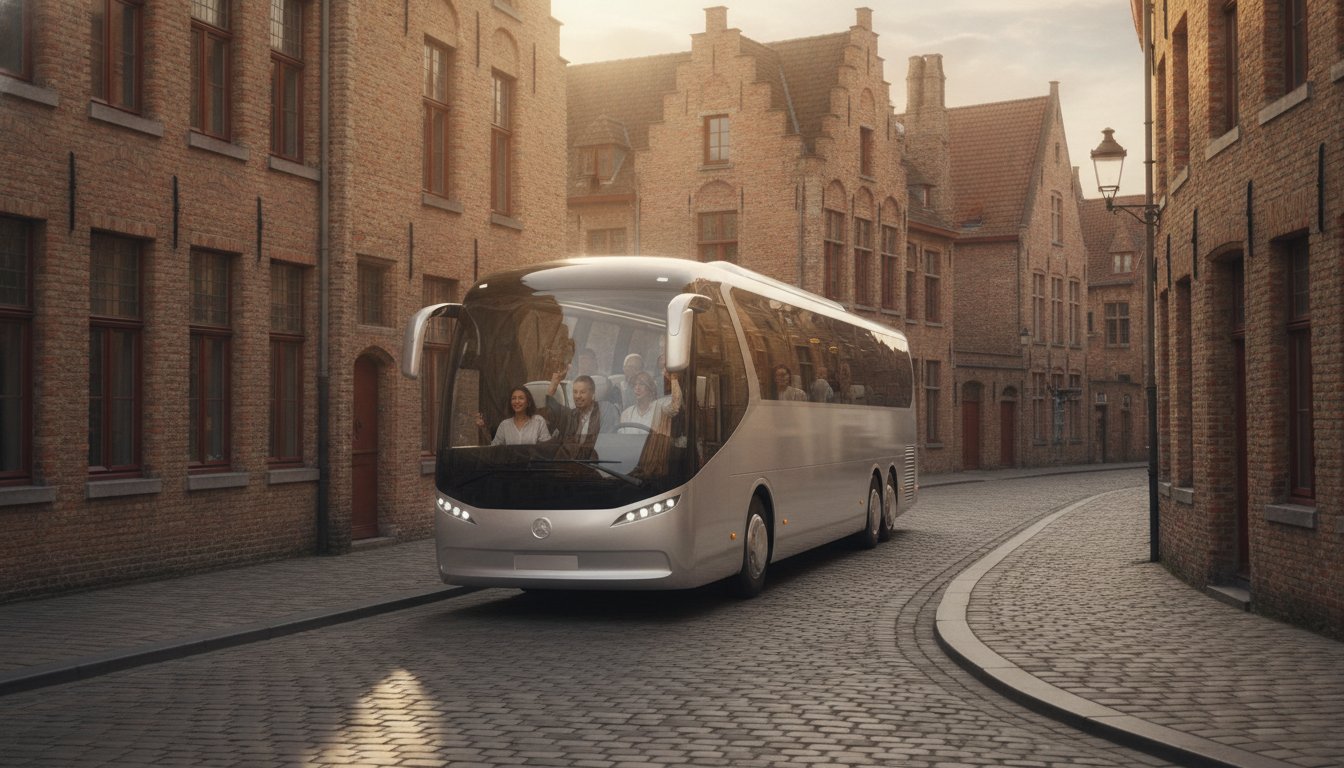
A professional flanders group tour itinerary is built on four distinct pillars: remembrance, artistry, culinary mastery, and active exploration. It’s not enough to simply drive between cities. You must curate a rhythm that respects the gravity of history while celebrating the vibrancy of modern Flemish life. This balance ensures that your clients remain engaged, moving from the quiet reflection of a cemetery to the sensory joy of a chocolate workshop without feeling a sense of tonal whiplash.
Battlefield Tourism: A Professional Approach
The Ypres Salient and Flanders Fields represent a pilgrimage for many. For a large group, the logistics of these sites require precision. Maneuvering a coach through narrow rural roads to reach specific cemeteries or bunkers demands a fleet that’s both modern and agile. We recommend prioritizing specialized local guides who can breathe life into the silence of the trenches. For deeper technical insights into planning these visits, consult our Flanders Fields: The Definitive Guide to WWI Remembrance.
Curating the ‘Flemish Masters’ Experience
Integrating the ‘Big Three’ art cities requires strategic timing. To avoid peak crowds at the Ghent Altarpiece or Antwerp’s Royal Museum of Fine Arts, we suggest mid-week morning slots. This allows your clients to appreciate the meticulous detail of the Flemish Masters in a serene environment. Don’t overlook the contemporary art scenes emerging in industrial spaces; they provide a fresh contrast to the medieval romance of the city centers. You can find more on this in The Ultimate Guide to Culture Group Tours in Benelux.
Gastronomy should move beyond the hotel dining room. Immersive beer and chocolate workshops offer a tactile connection to the region’s artisanal roots. Meanwhile, the ‘active’ layer is no longer a niche. Cycling tours are becoming a staple, even for traditional groups. When planning for 2026, be mindful of the “We Ride Flanders” amateur ride on April 4th and the professional race on April 5th. These events transform the region into a cycling cathedral, impacting road access and hotel availability. For the most up-to-date planning resources, the Official Flanders Tourism site remains an essential reference.
To ensure these pillars are supported by flawless logistics, consider how a local expert partner can streamline your next project.
Navigating Logistics: Transport and Accommodation for Groups
Logistics form the invisible architecture of a successful flanders group tour itinerary. Without a technical mastery of movement, the most inspired cultural program can quickly dissolve into traveler fatigue. While public rail might suit a solo explorer, it’s often impractical for professional groups of 30 or more who carry luggage and follow a strict schedule. A private coach offers more than just transport; it provides a sanctuary of continuity and a mobile base where the narrative of the journey remains uninterrupted.
The Role of a Modern Coach Fleet
In 2026, the technical requirements for group transport have reached a new peak of sophistication. A dedicated fleet must meet Euro 6 environmental standards to navigate the increasingly strict low-emission zones in cities like Antwerp and Ghent. Safety is paramount, but so is the intuitive expertise of the driver. Navigating the cobblestone arteries of a medieval center requires a professional who understands the specific weight and clearance limits of historic bridges. This level of precision ensures that your clients spend their time admiring the architecture rather than worrying about the route.
Comfort features are no longer optional. High-speed Wi-Fi, climate control, and ergonomic seating are the baseline for maintaining group energy across a multi-day trip. As highlighted in the National Geographic Belgium Guide, the region’s compact geography is its greatest asset, provided your transport is as agile as your itinerary. By utilizing a private coach, you eliminate the 4.2% indexed increase in public transport fares while gaining total control over your group’s environmental footprint and daily flow.
Hotel Accommodation Management
There’s a critical distinction between a hotel that is ‘group-friendly’ and one that is truly ‘group-ready.’ A group-ready establishment understands the nuances of block bookings, from the necessity of rapid check-in processes to the specific catering requirements of an international clientele. In 2026, tour operators must account for the 12% VAT on accommodation services and the €5 per person nightly tourist tax in Brussels. These financial shifts make early, professional negotiation essential for protecting your margins.
Sourcing the right stay involves more than just counting beds. You must evaluate coach parking proximity, the quality of group dining spaces, and the hotel’s ability to maintain a high-end atmosphere despite the volume of guests. Managing these relationships requires a deep local network. To understand how these partnerships function at the highest level, see The Definitive Guide to Choosing a Benelux Incoming Tour Operator. Securing a reliable local ally ensures that your accommodation choices reflect the same level of excellence as your cultural program.
The 5-Day Flanders Master Itinerary: A Professional Blueprint
A successful flanders group tour itinerary is more than a sequence of stops; it’s a logistical loop that maximizes cultural exposure while minimizing transit friction. This blueprint connects the medieval romance of the art cities with the hallowed grounds of the West, creating a narrative that feels both expansive and intimate. For 2026, we’ve refined this route to account for shifting museum capacities and the evolving landscape of Flemish hospitality, ensuring every movement serves the group’s experience.
Day-by-Day Tactical Breakdown
Day 1-2: The Art City Axis. Begin with arrival and a seamless transfer to Bruges. The first 48 hours focus on the “Big Three” cities, balancing the canal-side charm of Bruges with the architectural power of Ghent. Professional coach transfers are essential here to navigate low-emission zones and secure drop-offs near historic centers. This phase prioritizes the Flemish Masters, ensuring your group experiences the Ghent Altarpiece before the midday crowds arrive.
Day 3: The Path of Remembrance. Move westward to the Ypres Salient. This structured visit includes the In Flanders Fields Museum and a focused exploration of the surrounding battlefields. The day concludes with the Menin Gate Last Post Ceremony. Given the emotional weight of this day, we schedule lighter evening activities to allow for quiet reflection and group cohesion.
Day 4: Sensory Mastery. Transition to Antwerp or Leuven for a deep dive into the region’s culinary soul. This is where Belgium Gastronomy Tours: A Masterclass in Culinary Artistry come into play, offering immersive beer and chocolate experiences that engage the group’s senses after the historical intensity of the previous days. It’s a day designed for artisanal discovery and high-end engagement.
Day 5: Modern Flanders and Departure. The final morning is dedicated to the contemporary side of the region, perhaps a visit to a modern design hub or a final artisanal market. Departure logistics are handled with precision. We ensure groups reach Brussels Airport or the Eurostar terminal with ample time, accounting for the 2026 tourist tax protocols and final hotel check-out efficiencies.
Customization Options for Special Interest Groups
This framework is designed for flexibility. For cycling enthusiasts, the route can be adapted to include the iconic “bergs” of the Tour of Flanders, particularly around the peak April race dates. If your clients seek a more niche focus, consider Themed Group Travel in Benelux: A Masterclass to integrate garden tours or festival-focused stops like Tomorrowland. This level of customization transforms a standard trip into a bespoke event that resonates with specific client passions.
Ready to build your next masterpiece? Consult with our logistics experts to finalize your 2026 planning and secure your preferred dates.
Partnering with a DMC: Why Professional Coordination Wins
A Destination Management Company (DMC) serves as the strategic ally for travel agents, bridging the gap between a conceptual vision and a flawlessly executed reality. In the intricate landscape of a flanders group tour itinerary, professional coordination is the difference between a standard trip and an elite experience. Navigating the nuances of 2026 requires more than just a booking engine. It demands two decades of local relationships, a deep understanding of regional logistics, and a commitment to protecting the margins of international tour operators.
Risk management is a core pillar of this partnership. Whether it’s a sudden shift in museum capacity or a logistical detour caused by a local cycling event, a professional DMC provides real-time solutions that keep the group’s narrative intact. This technical foresight ensures that the unexpected never becomes a burden for your clients. By utilizing fixed-price group packages, you secure financial stability in a market where accommodation VAT has reached 12% and city taxes are rising. We don’t just book; we architect.
Custom Itinerary Planning and Logistics
The journey from initial concept to on-the-ground management requires a delicate touch. We focus on transforming your requirements into a fluid, high-impact program. A major component of this is our local guide services. These professionals offer more than just facts; they provide authentic storytelling that connects travelers to the soul of Flanders. This level of depth is essential for creating lasting memories. For a deeper look at selecting the right partner for your next project, see The Definitive Guide to Choosing a Group Travel Agency.
The BELUNE Difference in Flanders
Our approach is defined by the seamless integration of transport and hospitality. By operating our own fleet of modern coaches, we eliminate the friction often found with third-party providers. We combine this logistical control with expert accommodation management, ensuring that every hotel stay aligns with our standards of sophisticated, minimalist elegance. This is not a simple supply chain; it’s a vision of excellence designed to reassure our partners and inspire their clients. We take pride in our ability to transform an environment through technical mastery and artistic sensibility.
Refine your 2026 Flanders group program with a partner who understands the art of the journey. Contact BELUNE today to begin co-creating your next masterpiece.
Elevating the Art of the Flemish Journey
Designing a high-impact flanders group tour itinerary for 2026 requires more than a deep knowledge of history; it demands a technical mastery of the region’s evolving infrastructure. Success lies in the delicate balance between the somber reflection of the Ypres Salient and the artisanal vibrancy of the Flemish art cities. By prioritizing a seamless flow between transport, accommodation, and cultural immersion, you transform a standard visit into a profound human experience that resonates with your clients long after they depart.
As a strategic ally for travel agents, BELUNE offers the precision and vision needed to navigate these complexities. With over 20 years of DMC expertise, we provide a private fleet of modern coaches and specialized guides who are masters of battlefield and gastronomy narratives. We invite you to Request Your Custom Flanders Group Itinerary from BELUNE to ensure your next program is executed with flawless professional rigor. Let’s co-create a journey that captures the true soul of Flanders through technical excellence and creative passion.
Frequently Asked Questions
What is the best time of year for a Flanders group tour?
The ideal windows for a flanders group tour itinerary are spring (April to June) and early autumn (September to October). These months offer mild weather and the full reopening of seasonal heritage sites. You should be aware that the first weekend of April 2026 hosts major cycling events, including the professional Tour of Flanders on April 5th. These dates significantly impact hotel availability and road access across the region.
How many days should a group spend in Flanders Fields?
A professional group typically requires one to two days to experience the Ypres Salient with the necessary depth. A single day allows for a structured visit to the In Flanders Fields Museum and the evening Menin Gate ceremony. Extending to a second day provides the opportunity to explore specific national cemeteries or combine the visit with the nearby Somme battlefields, ensuring a comprehensive narrative of remembrance for your clients.
Is Flanders suitable for school group travel?
Flanders is exceptionally well-suited for educational groups, particularly those focusing on modern history, art history, and international relations. The region’s dense concentration of WWI sites and UNESCO-listed medieval centers provides a visceral classroom environment. Our specialized guides excel at adapting technical historical data into engaging narratives for younger audiences. We manage the specific safety and catering logistics required to maintain high standards for student delegations.
Can a Flanders itinerary be combined with a Paris tour?
Yes, combining these regions is a logical logistical step for many international operators. As a DMC specializing in the Benelux region and Paris, we facilitate seamless transitions between the Flemish art cities and the French capital. Our private coach fleet allows for comfortable cross-border transfers that avoid the complexities of group rail bookings. This combination offers a sophisticated balance between the intimate charm of Flanders and the grand scale of Paris.
What are the coach parking regulations in major Flemish cities?
Flemish cities enforce strict regulations to protect their historic centers, including Low Emission Zones (LEZ) that require Euro 6 standard vehicles. Most centers utilize dedicated coach drop-off points located on the city periphery to maintain a fluid environment for pedestrians. Our drivers possess the technical expertise to navigate these zones efficiently. We ensure your flanders group tour itinerary accounts for these movements, preventing delays and ensuring proximity to key cultural sites.
Do I need a specialized guide for WWI battlefield sites?
A specialized guide is essential for providing the authentic storytelling and technical context that these hallowed grounds demand. Battlefield tourism is about more than visiting coordinates; it’s about understanding the human and structural transformation of the landscape. Our local experts offer a professional depth that standard guides cannot match. They ensure your group receives a nuanced perspective on the Ypres Salient while managing the specific etiquette required at remembrance sites.
How do I manage dietary requirements for a large group in Belgium?
Managing diverse dietary needs requires early coordination between your DMC and our network of group-ready hotels and restaurants. We handle the technical details of menu planning to ensure that vegan, gluten-free, or religious dietary requirements are met without compromising the quality of the Flemish gastronomic experience. By centralizing these requirements during the planning phase, we guarantee a seamless dining flow that respects the artisanal standards of Belgian cuisine.
What are the benefits of a fixed-price group package?
Fixed-price packages provide essential financial stability and protect your margins against regional cost fluctuations. In 2026, tour operators must navigate a 12% VAT on accommodation and rising tourist taxes, such as the €5 nightly fee in Brussels. A comprehensive package locks in your costs for transport, guiding, and lodging. This transparency allows you to market your tour with confidence, knowing the logistical architecture and pricing are secured by a reliable local partner.