The most profound cultural experiences aren’t found in the pages of a guidebook; they’re engineered through a delicate balance of artistic vision and logistical precision. Designing art and culture group tours benelux for 2026 requires more than a simple list of museums. It demands a mastery of the subtle nuances between the Flemish masters in Antwerp and the contemporary galleries of Luxembourg City. You likely recognize that a single logistical friction point, like a delayed cross-border transfer or a lackluster guide, can dim the brilliance of a meticulously planned itinerary.
Our promise is to show you how to curate sophisticated, logistically seamless journeys that offer exclusive access to private collections and architectural marvels across these three nations. We’ll explore the frameworks for securing reliable high-end group transport and vetting specialist guides who transform a multi-day itinerary into a sensory masterpiece. This guide provides the technical rigor and creative inspiration needed to elevate your professional travel offerings to an art form. By focusing on the harmony of the guest experience, you can transform a standard trip into a bespoke narrative that resonates long after the final gallery door closes.
Key Takeaways
- Master the art of narrative curation by connecting the legacies of the Flemish Masters and the Dutch Golden Age into a single, fluid journey.
- Discover how to balance iconic landmarks with hidden private ateliers to design an itinerary that avoids museum fatigue while maintaining a sense of discovery.
- Learn the technical nuances of managing group logistics across international borders to ensure a seamless and elegant travel experience for every guest.
- Professionalize your approach to art and culture group tours benelux by selecting themed accommodations that reflect the region’s rich artistic heritage.
- Explore the strategic advantages of collaborating with a visionary DMC to transform complex itineraries into a harmonious and stress-free reality.
Defining Art and Culture Group Tours in the Benelux Region
Art and culture group tours benelux are curated journeys through one of the world’s highest concentrations of creative heritage. This region functions as a living gallery where the borders between Belgium, the Netherlands, and Luxembourg dissolve into a continuous narrative of human expression. Within a radius of less than 300 kilometers, travelers encounter over 30 UNESCO World Heritage sites and hundreds of world-class museums. The experience focuses on the profound history of art in the Low Countries, tracing the evolution from the meticulous detail of the Flemish Primitives to the revolutionary light of the Dutch Golden Age masters.
2026 stands as a pivotal year for cultural travel in this territory. It marks a series of high-profile re-openings and centennial celebrations, including the culmination of major restoration projects in Antwerp and specialized exhibitions in Amsterdam. Discerning groups now seek more than “sightseeing,” which often remains at the surface of a destination. True cultural immersion requires a deeper engagement with the local soul. It involves understanding the socio-political forces that allowed 17th-century Dutch merchants to become the world’s greatest art patrons or how Belgian Art Nouveau reshaped modern urban aesthetics.
The Cultural Density of Belgium, Netherlands, and Luxembourg
The geographic intimacy of these three nations allows for high-impact itineraries that would be impossible elsewhere in Europe. Short travel distances mean groups spend less time in transit and more time in front of masterpieces. There’s a rare synergy here; the industrial elegance of Luxembourg City complements the medieval grandeur of Bruges and the avant-garde spirit of Rotterdam. Bridging these borders requires a sophisticated touch. A professional benelux incoming tour operator serves as the essential architect of the journey, harmonizing the distinct linguistic and administrative nuances of each country to create a fluid, borderless experience for the guest.
The B2B Advantage: Why Professional Curation Matters
Professional curation moves beyond the “Top 10” lists found in standard guidebooks to uncover authentic, local narratives. For the B2B sector, the value of a Destination Management Company (DMC) lies in its ability to secure exclusive access. This might include after-hours visits to the Mauritshuis, private viewings of the Ghent Altarpiece, or meetings with contemporary curators in their private studios. These moments of exclusivity transform a standard trip into a prestigious event.
Cultural group travel is a sophisticated blend of pedagogical depth and social harmony, where shared discovery transforms a trip into a collective intellectual legacy. By prioritizing precision and artistic vision, art and culture group tours benelux offer a transformative perspective on European identity. We treat every itinerary as a bespoke composition, ensuring that the technical logistics remain invisible so the cultural brilliance can shine.
Thematic Pillars: Curating a Narrative for Your Group
Designing high-end art and culture group tours benelux is an exercise in curation, much like lighting a gallery. It requires a cohesive story that connects the past to the present. The narrative begins with the Flemish Masters. Jan van Eyck’s “Adoration of the Mystic Lamb,” completed in 1432, serves as the technical and spiritual benchmark for Belgian itineraries. This precision is balanced by the Baroque intensity of Peter Paul Rubens, whose work defines the Antwerp experience. These masters didn’t just paint; they engineered a visual language that still dictates the region’s aesthetic standards.
Moving north, the Dutch Golden Age captures a different nuance of light and commerce. The Rijksmuseum in Amsterdam stands as the essential sanctuary for this period. It houses over 8,000 objects that tell the story of the 17th-century Netherlands. Seeing Rembrandt’s “The Night Watch” (1642) in person allows groups to appreciate the interplay of shadow and brilliance that defines Dutch identity. It’s a masterclass in atmospheric composition that resonates with modern architectural sensibilities.
Cultural depth also requires acknowledging the scars of history. Integrating a visit to Flanders Fields provides a necessary perspective on the 1914-1918 conflict. This isn’t merely a history lesson. It’s a pilgrimage of memory that grounds the artistic beauty of the region in a narrative of human resilience. Understanding these layers of heritage is what separates a standard tour from a professional cultural expedition.
Art Nouveau and Architectural Splendor
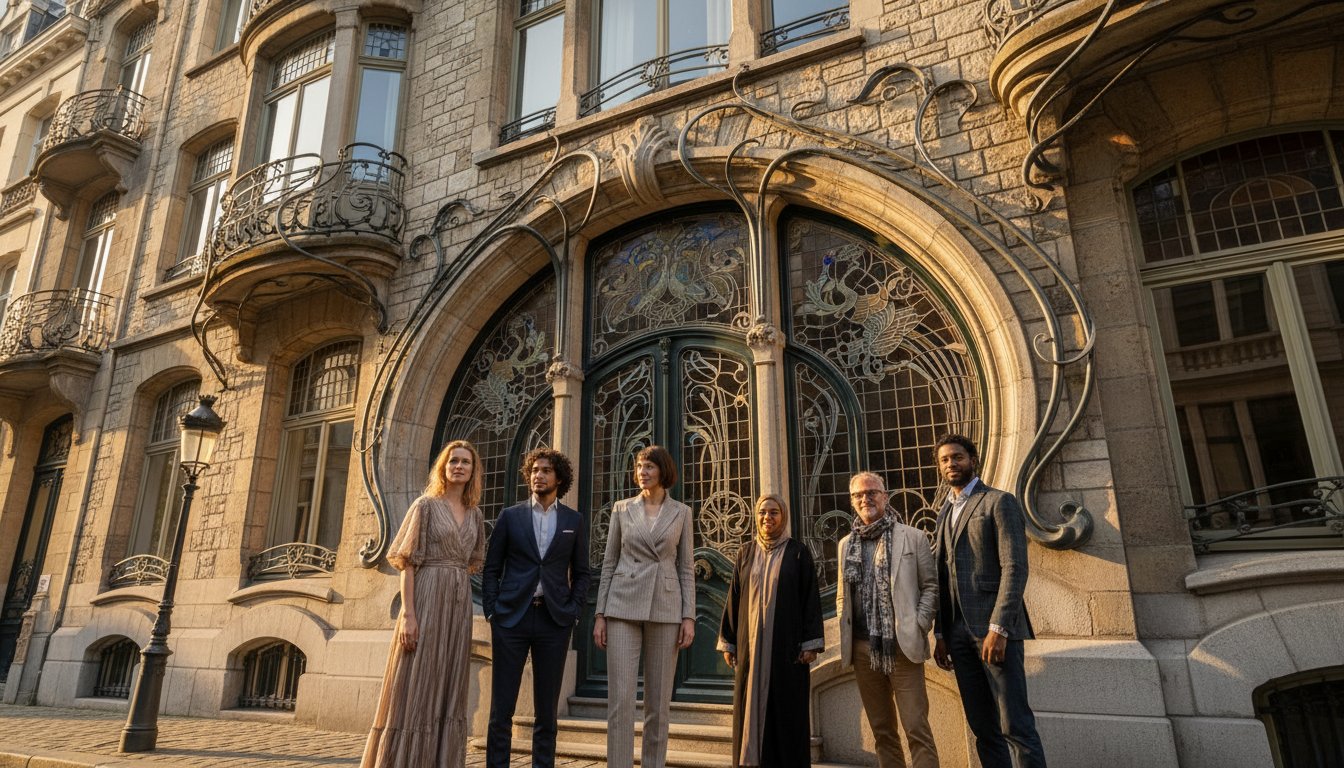
Brussels became the world’s stage for Art Nouveau in 1893 when Victor Horta completed the Hôtel Tassel. These structures aren’t just buildings; they’re organic sculptures. The “sublime” curves of Horta’s townhouses reflect the immense industrial wealth of the late 19th century. This architectural movement redefined urban design by blending iron, glass, and stone into a modern identity. It’s a legacy that continues to influence the contemporary cultural heartbeat of Brussels and Antwerp.
The Culinary Arts: Gastronomy as Culture
A culture is best understood through its palate. Professional belgium gastronomy tours elevate a trip from a simple visit to a sensory immersion. Belgium’s 143 Michelin-starred restaurants, according to 2024 records, offer high-end groups a taste of contemporary innovation. This culinary excellence is paired with the heritage of artisanal brewing and the precision of world-class chocolatiers. It’s a dialogue of taste that perfectly complements the visual arts of the Benelux region.
To truly capture the essence of these spaces, the right environment is everything. If you’re looking to refine the atmosphere of your next project, our team at Belune can help you master the art of the environment.
The Logistics of Elegance: Managing Group Travel Frameworks
Executing art and culture group tours benelux in 2026 requires a marriage of high-level logistics and sensory awareness. Moving a group of 25 enthusiasts across the borders of Belgium, the Netherlands, and Luxembourg demands a choreography of absolute precision. It isn’t just about the destination; it’s about the weightless transition between them. We focus on technical rigor to eliminate the friction that often plagues large-scale travel. This involves digital manifest management and pre-cleared passage protocols that ensure the group never feels the gears of the machine turning.
These “invisible logistics” are vital for maintaining the group’s emotional state. When travelers aren’t burdened by luggage concerns or border delays, they remain open to the aesthetic experience of the Dutch Masters or Flemish Primitives. This mental space is protected by professional guide selection. We don’t hire generalists. We match groups with experts holding advanced degrees in Art History or Archaeology from institutions like Leiden University or the University of Leuven. These professionals possess native-level fluency in at least three languages, allowing them to bridge the gap between academic depth and cultural nuance.
Reliable data is the foundation of every itinerary. For cross-border planning and regional insights, the Official Belgian Tourism Portal serves as a primary resource for verifying transit regulations and regional event schedules. Utilizing these official frameworks allows us to build tours that are as secure as they are inspiring.
Modern Coach Travel: The Mobile Lounge
A private fleet of coaches is a critical differentiator for a high-end DMC. It grants total control over the sensory environment. Our 2026 fleet utilizes 45-seat vehicles configured for only 30 passengers to ensure maximum personal space. Panoramic glass roofs provide 180-degree views of the Flemish countryside, while ergonomic leather seating reduces fatigue during the 2.5-hour drive between Amsterdam and Brussels. The driver acts as a silent partner, managing the technical flow with a precision that allows the group’s focus to remain entirely on the art.
Accommodation Management for Large Groups
Hotel selection follows a strict architectural and thematic rubric. We prioritize properties that mirror the tour’s artistic theme, such as a repurposed 15th-century convent in Maastricht or a Bauhaus-inspired boutique in Rotterdam. Managing check-ins for 15 or more rooms requires pre-key systems and luggage-to-room services to eliminate lobby wait times. This curated approach ensures the group’s harmony remains intact from the gallery to the guest suite, making the hotel an extension of the cultural narrative rather than a mere stopover.
Itinerary Design: Balancing Iconic Sites with Hidden Gems
The architecture of a journey requires the same precision as a master lighting plan. To curate successful art and culture group tours benelux, one must master the rhythm of the experience. Museum fatigue is the primary adversary of the sophisticated traveler. We combat this by alternating high-density sites with moments of quiet, sensory reflection. Pacing isn’t just about time; it’s about the emotional frequency of the spaces visited.
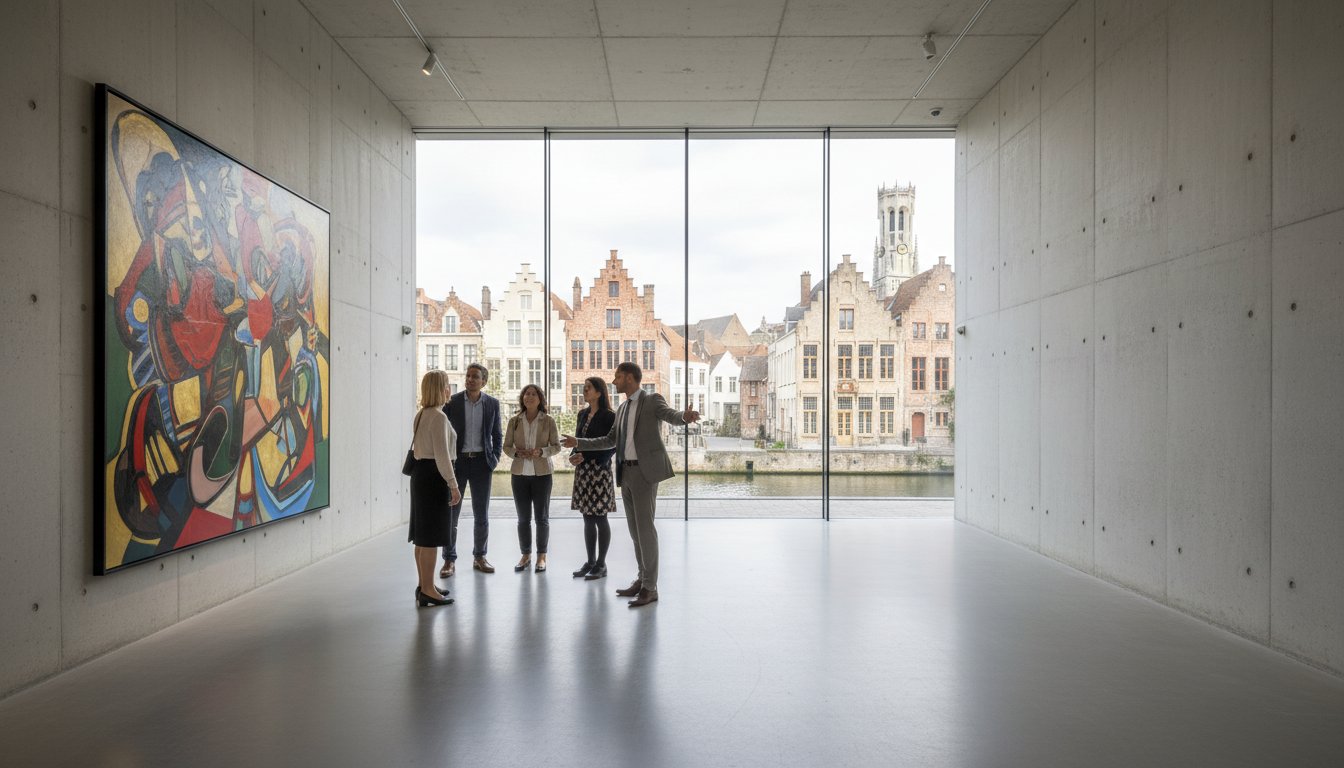
Pairing the Rijksmuseum, with its 8,000 objects and monumental Gallery of Honour, alongside private ateliers in the Jordaan district creates a necessary contrast. While the former offers a macro-view of Dutch history, the latter provides an intimate look at contemporary craftsmanship. This transition from the golden light of Rembrandt to the tactile reality of a modern workspace allows the eye to reset. It’s a dialogue between the past and the present that respects the traveler’s cognitive load.
Incorporating Luxembourg into a high-tempo Benelux tour serves as a vital palette cleanser. The 17 kilometers of underground tunnels in the Bock Casemates, a UNESCO site since 1994, offer a stark, minimalist elegance that differs from the ornate cathedrals of Flanders. These serene landscapes provide the “breathing room” required for a sophisticated eye to process the visual richness of the preceding days. We design these tours to be more than a checklist; they’re a sensory narrative where light, space, and history achieve perfect harmony.
The 7-Day Benelux Grand Tour Example
- Day 1-3: Flanders. Focus on the Flemish Primitives in Ghent and the Art Nouveau mastery of Victor Horta in Brussels. The 2020 restoration of the Ghent Altarpiece remains a central technical marvel for 2026 visitors.
- Day 4-5: The Dutch North. A deep dive into the Dutch Masters. We balance the scale of the Rijksmuseum with the private, canal-side elegance of the Museum Van Loon.
- Day 6-7: Luxembourg and Beyond. Exploring the sandstone fortifications before utilizing the high-speed TGV links for a seamless transition toward Paris or eastern hubs.
Tailor-Made vs. Fixed-Price Packages
Selecting the right structure depends on the client’s strategic goals. Many organizers favor fixed-price group tours because they provide total budget predictability for the 2026 season. This model works exceptionally well for established cultural associations that require a proven framework. However, for niche B2B clients or private collectors, custom itinerary planning is essential to secure exclusive access to private collections or after-hours viewings.
The subtle application of nuance in the planning stage transforms a simple trip into a lasting legacy of cultural understanding. Whether opting for a pre-designed route or a bespoke creation, the focus remains on the quality of the encounter. Every detail, from the angle of the morning light on a facade to the quietude of a private garden, is calculated to inspire. For professionals seeking to elevate their travel offerings, we invite you to explore our vision of architectural and cultural discovery.
Partnering with a Benelux DMC: Why BELUNE is the Choice
For 20 years, BELUNE has established itself as a visionary creator of group travel experiences across Western Europe. We believe that organizing art and culture group tours benelux requires more than just logistics; it demands an artistic sensibility and a deep respect for the heritage of the region. Our team manages the entire journey from A to Z, providing a secure framework that includes luxury transport, premium accommodations, and specialized guides. This comprehensive approach allows international agents to focus on their clients while we handle every technical complexity on the ground.
Our headquarters in Dottignies serves as a strategic gateway to the heart of Europe. This location isn’t accidental. It places us at the literal crossroads of Belgium, the Netherlands, and France. From this central base, we orchestrate seamless transitions between the Flemish Primitives in Bruges, the contemporary galleries of Amsterdam, and the grand museums of Paris. It’s a logistical advantage that translates into smoother travel times and more immersive cultural experiences for your groups in 2026.
A Commitment to Professional Excellence
The BELUNE signature is defined by sophisticated communication and technical rigor. We don’t view ourselves as a mere supplier. Instead, we act as a true strategic ally for tour operators worldwide. Our “counsel of trust” model ensures that every itinerary is vetted for feasibility, flow, and emotional impact. We use our 20 years of local expertise to navigate the nuances of European travel, from seasonal museum closures to the best private viewing times. You can request a custom proposal for your next culture group tours benelux project to experience this bespoke level of service. We treat every group as a unique architectural project where history, art, and comfort must exist in perfect harmony.
Seamless Integration with Paris
Artistic narratives rarely stop at national borders. To provide a complete picture of Western European heritage, we often expand the Benelux story to include the cultural icons of Paris. The logistical ease of this expansion is a hallmark of our service. Your group can continue their journey into the French capital with the same coach and the same dedicated guide team they’ve bonded with throughout Belgium. This continuity is vital. It eliminates the friction of mid-trip handovers and ensures a consistent standard of excellence. By partnering with a unified travel expert, you offer your clients a fluid, sophisticated journey that connects the Dutch Masters with the Impressionists of the Louvre without a single logistical hitch.
- Expertise: Two decades of curating high-end cultural narratives.
- Reliability: Full management of transport, hotels, and expert guides.
- Location: Strategic Dottignies base for Benelux and Paris access.
- Partnership: A dedicated strategic ally for international tour operators.
Crafting Your 2026 Cultural Legacy in Benelux
Designing an exceptional journey through Belgium, the Netherlands, and Luxembourg requires a master’s touch. Success in 2026 depends on balancing the logistics of elegance with a narrative that resonates deeply with your guests. By integrating 20+ years of DMC expertise, we transform complex travel frameworks into seamless artistic experiences. Our private fleet of modern coaches ensures every transition is fluid, while a specialized local guide network provides the intellectual depth and nuance that high-end travelers expect.
The secret to a memorable itinerary lies in the harmony between world-renowned institutions and the quiet allure of hidden gems. We don’t just move people; we curate emotions through the interplay of history, architecture, and local spirit. Our specialized art and culture group tours benelux are built on this philosophy of bespoke excellence. It’s about creating a vision where every detail, from the timing of a private gallery opening to the comfort of the journey, is deliberate and refined. Your vision deserves a partner who understands that travel is a form of art.
Request your custom Benelux cultural group tour itinerary today and let’s begin the design process. We’re ready to help you illuminate the extraordinary for your clients.
Frequently Asked Questions
What is the best time of year for an art and culture group tour in Benelux?
The ideal period for art and culture group tours benelux spans from mid-April to early June when natural light enhances the architectural details of historic cities. During these 60 days, the region experiences its most stable climate and the blooming of the Keukenhof gardens. Autumn also offers a sophisticated atmosphere, particularly in October when major museums like the Rijksmuseum launch their primary 2026 seasonal exhibitions.
How many days are needed to cover the cultural highlights of Belgium and the Netherlands?
A comprehensive cultural journey through Belgium and the Netherlands requires a minimum of 10 days to appreciate the depth of the Flemish Primitives and Dutch Masters. We recommend allocating 4 days to the Dutch Golden Age sites and 6 days to the Belgian medieval and Art Nouveau heritage. This timeframe ensures your group experiences the three distinct cultural identities of the region without feeling rushed or overwhelmed.
Can BELUNE handle groups with specific artistic interests, such as Art Nouveau or Modernism?
We specialize in curated itineraries that focus on specific movements like Art Nouveau in Brussels or De Stijl in Utrecht. Our team designs paths through the 1906 Horta Museum and the 1924 Rietveld Schröder House to provide a technical and aesthetic deep dive. These specialized tours allow professionals to explore the evolution of 20th-century design through preserved architectural masterpieces that defined the modern era.
Is it possible to combine a Benelux cultural tour with a trip to Paris?
Connecting a Benelux itinerary with Paris is a seamless process thanks to the high-speed rail network connecting major hubs. The journey from Brussels-Midi to Paris Gare du Nord takes exactly 82 minutes, making it an effortless extension for your cultural program. We often integrate 3 days in the French capital to contrast the Northern Renaissance with the Parisian Beaux-Arts and contemporary scenes for a complete European experience.
What size of groups can BELUNE accommodate for these cultural itineraries?
Our cultural itineraries accommodate groups ranging from 8 to 25 participants to maintain an atmosphere of exclusivity and quiet reflection. Smaller cohorts of 12 guests often find the best balance between shared inspiration and personal space within intimate museum galleries. By limiting numbers, we ensure every traveler receives direct engagement from our expert lecturers and easy access to private viewing sessions in historic venues.
Do you provide specialized local guides who speak languages other than English?
We provide highly qualified guides who are fluent in six major languages including French, German, Spanish, and Mandarin. Every professional in our network holds a degree in art history or architecture, ensuring the narrative remains sophisticated and precise. It’s not just about translation; it’s about conveying the subtle nuances of Benelux heritage in the native tongue of your specific group to ensure total clarity.
How does BELUNE manage the logistics of cross-border travel between the three countries?
We manage the logistics of cross-border travel by utilizing a combination of private executive coaches and efficient rail links across the 74,000 square kilometers of the Benelux region. Distances are remarkably short, with only 210 kilometers separating Amsterdam from Brussels. Our team handles all 2026 transit permits and luggage transfers, allowing your group to focus entirely on the artistic transition between these three distinct nations.
What are the benefits of choosing a fixed-price group tour package?
Choosing a fixed-price package provides your group with total financial transparency and guaranteed access to high-demand cultural sites. These arrangements include pre-booked entries to over 50 major museums and all local logistics, eliminating the unpredictability of on-site fees. It’s a professional approach that secures the best 2026 time slots for art and culture group tours benelux while streamlining the administrative burden for organizers.