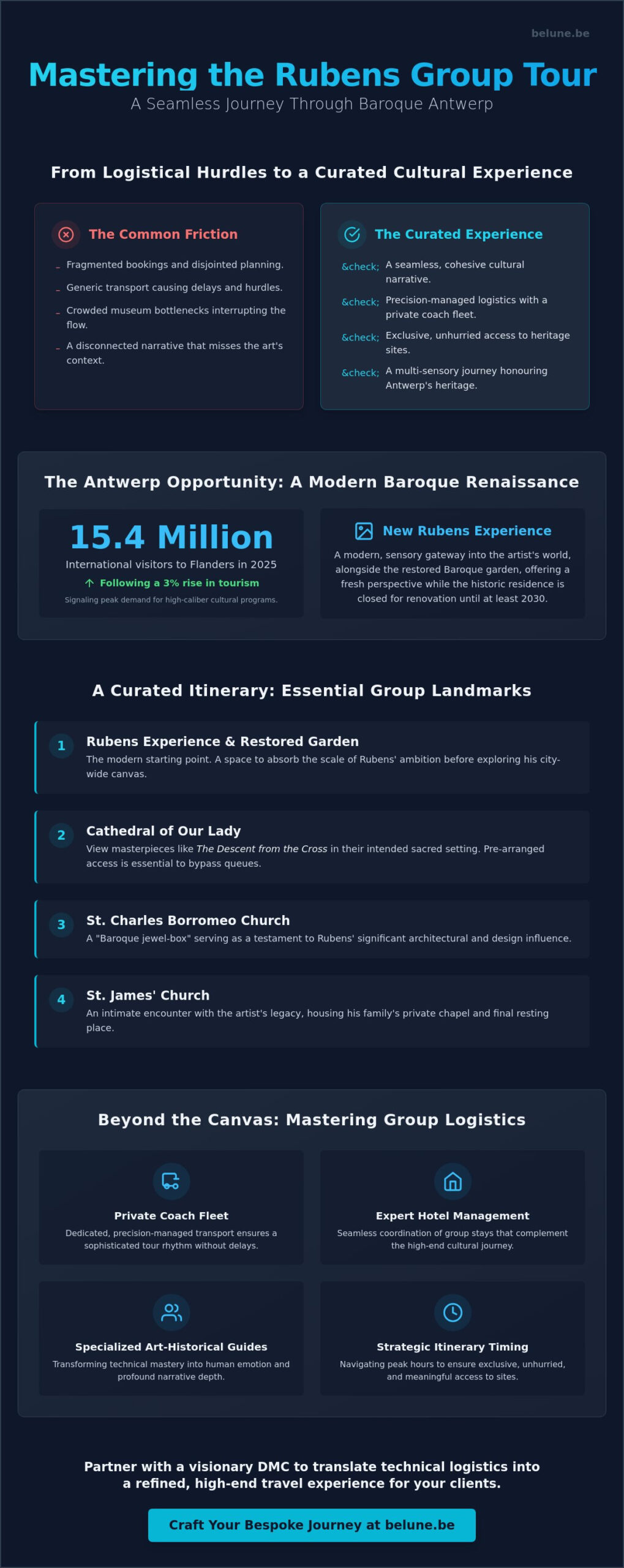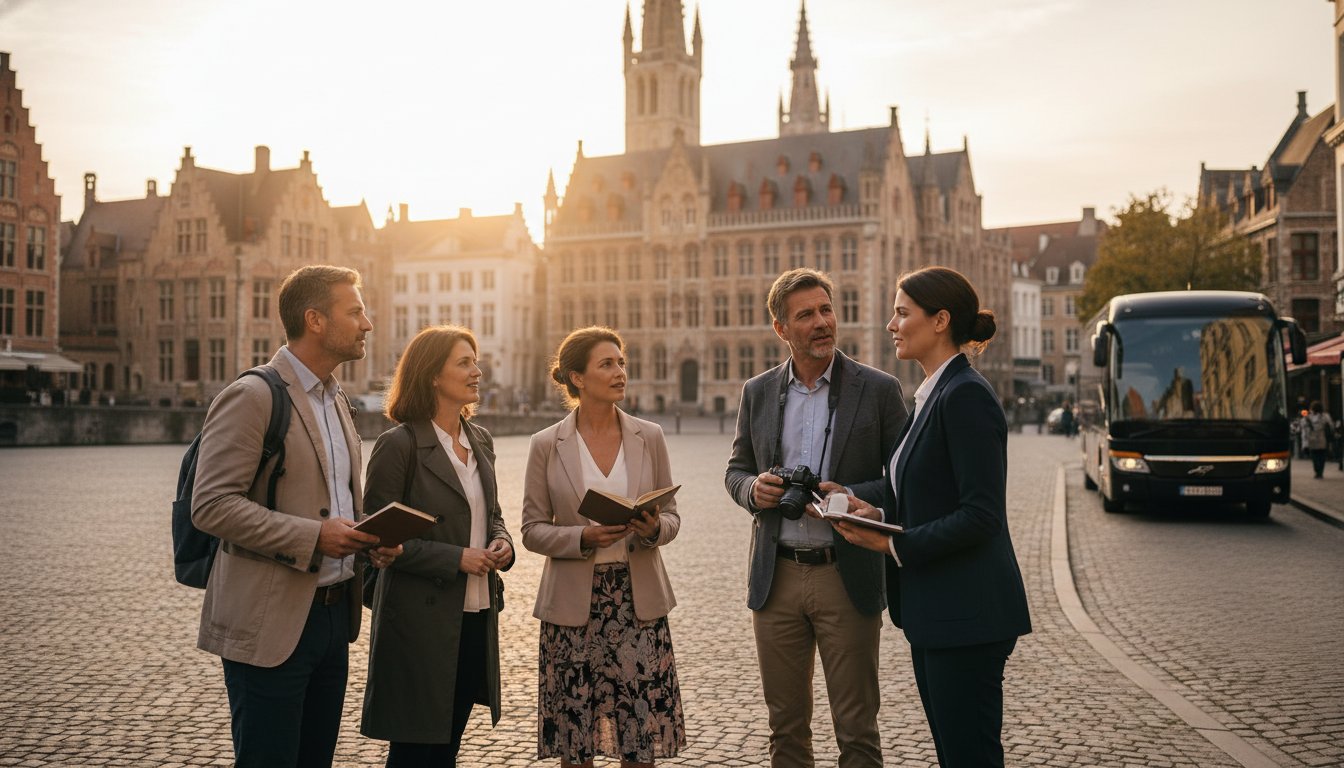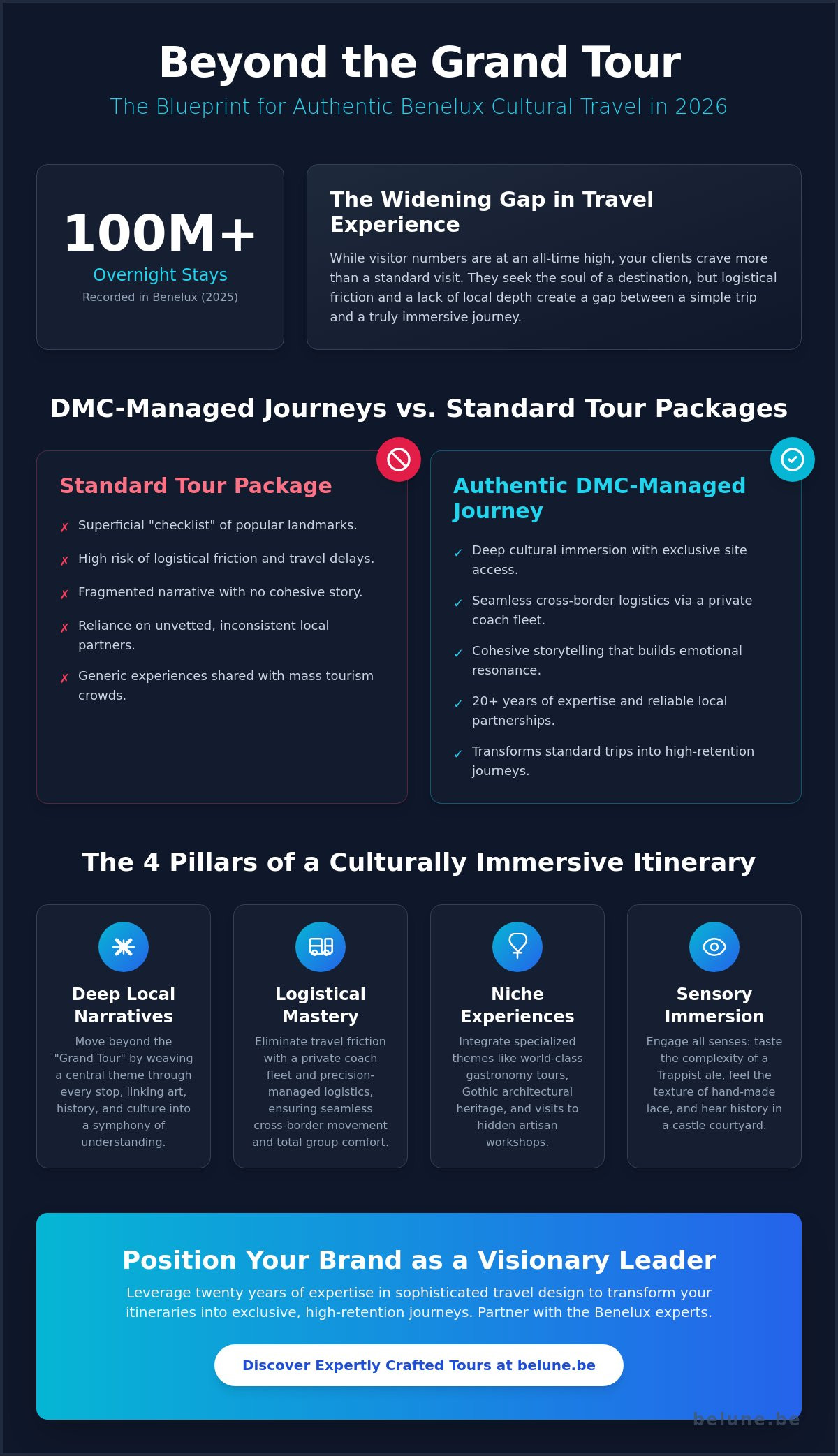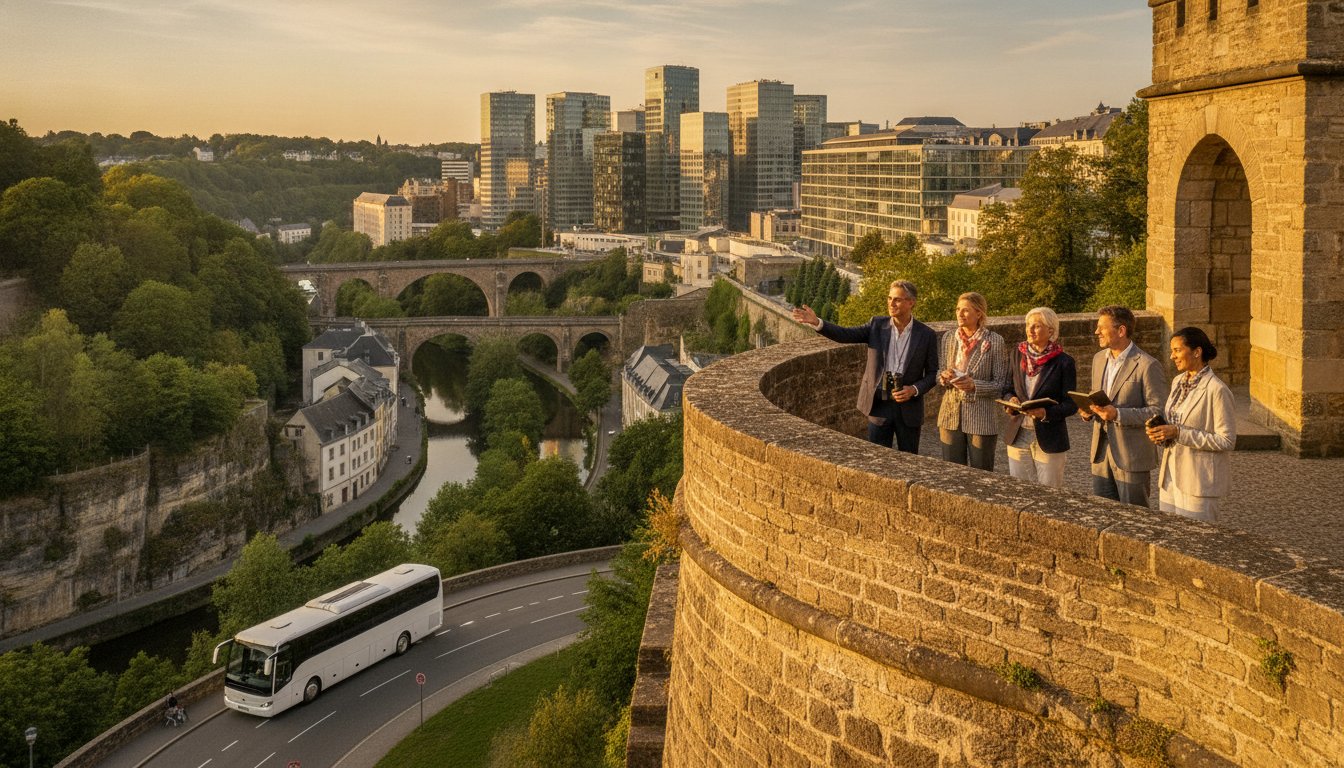
Luxembourg is often dismissed as a mere transit point between European giants, yet it holds a dense, sophisticated tapestry of history that demands more than a cursory glance. Planning a luxembourg cultural tour for groups requires a mastery of both space and time, as the country’s small footprint belies a deep complexity. You’ve likely felt the pressure of balancing authentic heritage with the modern, high-end comforts that sophisticated travelers demand. It’s a delicate dance between the ancient Bock Casemates and the contemporary glass of the MUDAM.
This guide helps you master that balance to curate a logistically seamless journey through the Grand Duchy in 2026. We’ll outline the essential cultural pillars, provide strategies for securing premium group-friendly accommodation, and show you how to leverage private coach fleets for effortless movement. By the end, you’ll have the structured understanding needed to transform a complex itinerary into a fluid, artistic experience that resonates with every guest.
Key Takeaways
- Uncover the strategic importance of Luxembourg’s unique heritage, from its fortress history to its status as the world’s last Grand Duchy.
- Gain insights into curating an artistic narrative that bridges the gap between UNESCO-listed photography exhibits and cutting-edge contemporary museums.
- Expand your itinerary beyond the capital to include the industrial heritage of the Red Lands and the scenic cultural landscapes of the Mullerthal.
- Master the logistics of a luxembourg cultural tour for groups by coordinating private modern coaches and professional hotel management for a seamless flow.
- Learn how a dedicated DMC partner translates technical complexity into an elegant, high-end experience for professional travel operators.
The Grand Duchy: Why Luxembourg is the Essential Benelux Group Destination
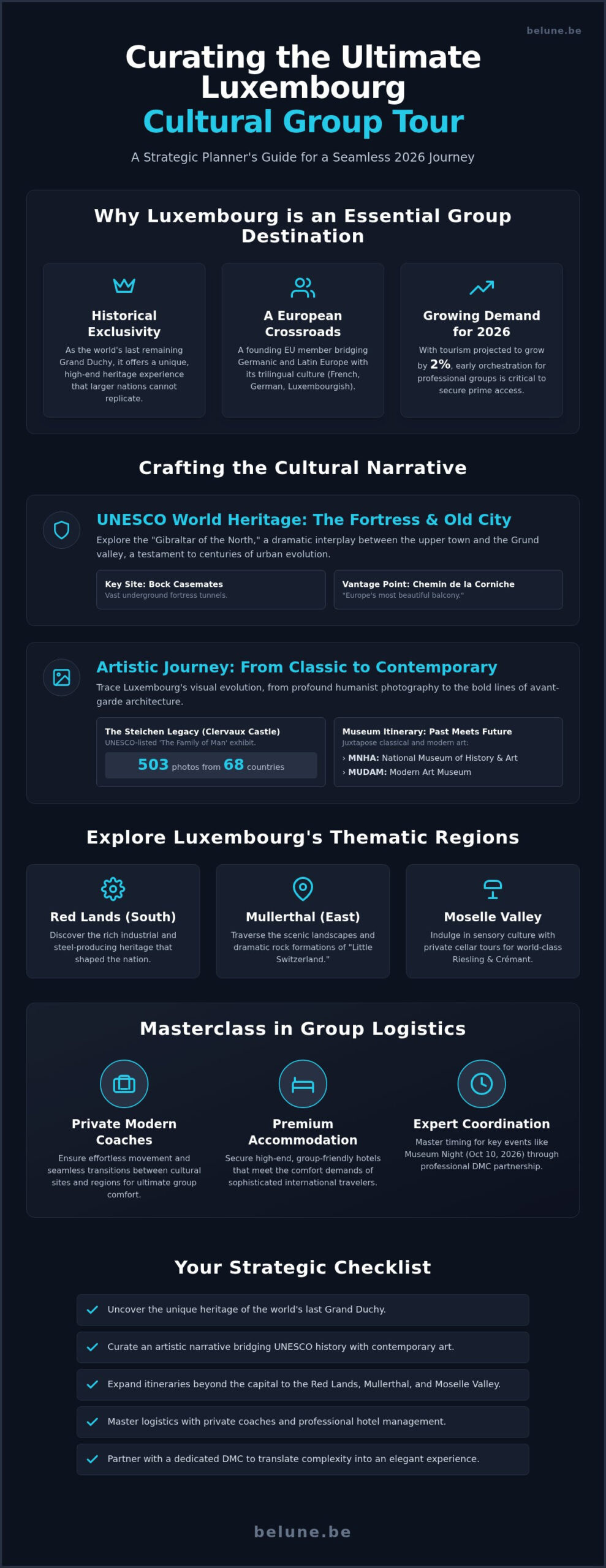
Many travelers view Luxembourg through the lens of a transit zone. This is a strategic oversight. As the world’s only remaining Grand Duchy, it offers a level of historical exclusivity that larger neighbors cannot replicate. For those planning a luxembourg cultural tour for groups in 2026, the calendar is already filling with high-value events like Museum Night on October 10. This isn’t a four-hour detour; it’s a multi-day immersion into a nation that has balanced its “Gibraltar of the North” military legacy with a future-facing European identity. With tourism numbers projected to grow by 2% in 2026, securing space for professional groups requires early orchestration.
To better understand the vibrant atmosphere awaiting your guests, watch this helpful travel guide:
A Crossroads of European Identity
The Culture of Luxembourg is defined by its linguistic fluidity. Conversations shift effortlessly between Luxembourgish, French, and German. This trilingual harmony makes the country an ideal base for international groups seeking a bridge between Germanic and Latin Europe. Beyond the heritage, its role as a founding pillar of the European Union adds a layer of modern diplomatic weight. The Grand Duchy serves as a living testament to European history, where the rugged stones of a medieval fortress harmonize with the refined architecture of modern diplomacy.
UNESCO World Heritage: The Fortress and Old City
The city’s UNESCO status centers on the dramatic interplay between the upper town and the lower valley of the Grund. Navigating the Casemates du Bock on a luxembourg cultural tour for groups requires precise timing and professional expertise. For 2026, guided tours for up to 20 people start from €100, plus admission, and remain the gold standard for maintaining group flow. We recommend starting at the Chemin de la Corniche, often called “Europe’s most beautiful balcony.” It provides the perfect vantage point for group photography, framing the architectural dialogue between the ancient stone walls and the modern skyline. Moving through these layers isn’t just a walk; it’s a curated study of urban evolution.
Unlocking the Layers: History, Language, and the Artistic Narrative
Luxembourg’s identity is a living composition. It isn’t found in a single monument but in the seamless transition between centuries. A luxembourg cultural tour for groups should reflect this fluidity, moving from the medieval echoes of the Old City to the avant-garde lines of the Kirchberg plateau. This narrative is best understood through the lens of those who shaped it, from ancient folklorists to modern visionaries. Moving from the classical National Museum of History and Art (MNHA) to the contemporary glass of Mudam illustrates a nation that honors its past while embracing a bold future.
The Steichen Legacy and Visual Culture
The heart of Luxembourg’s visual heritage lies in Clervaux Castle. Here, the UNESCO-listed Family of Man photographic collection offers a profound humanist experience. Curated by Edward Steichen, this exhibit features 503 photographs from 68 countries, creating a universal dialogue that transcends borders. For professional groups, a visit to Clervaux provides a moment of reflection and deep historical context. It’s a cornerstone of any serious cultural itinerary. The Official Luxembourg Tourism Guide highlights this as a must-see for those seeking the country’s intellectual soul. Integrating these visual arts with a visit to the MNHA allows guests to trace the nation’s evolution from its archaeological beginnings to 20th-century mastery.
Culinary Heritage as a Group Experience
Culture is also a sensory experience. In the Moselle Valley, the landscape itself is a work of art, carved by centuries of viticulture. Private wine cellar tours offer groups an exclusive look at the production of world-class Rieslings and Crémants. There’s a natural synergy here with Belgium Gastronomy Tours; both regions celebrate a blend of rustic tradition and refined innovation. The Luxembourgish table is a place where Michelin-starred techniques meet hearty, folkloric roots from the Ardennes. Incorporating these tastings into a schedule isn’t just about dining. It’s about understanding the terroir that has sustained this nation through its most turbulent eras. Our team ensures these moments are logistically effortless, allowing your guests to focus on the poetry of the experience. For a truly curated approach to these sensory layers, consider partnering with a specialized local expert who understands the nuances of group flow.
The rugged Ardennes region further enriches the narrative. Its dense forests and winding valleys aren’t just scenic; they’re the birthplace of local myths. From the legend of Melusina to the industrial heritage of the south, every region adds a distinct chapter to the story. We help you weave these threads into a cohesive, sophisticated journey that resonates long after the tour ends.
Beyond the Capital: Exploring the Thematic Regions of Luxembourg
Luxembourg City serves as a sophisticated anchor, but the nation’s soul is distributed across five distinct regions. A luxembourg cultural tour for groups shouldn’t stop at the capital’s edge. Each territory offers a specific narrative, from the feudal heights of the north to the industrial steel-scapes of the south. Understanding these nuances allows you to tailor the journey to your guests’ specific intellectual curiosities. Whether your group seeks the quiet contemplation of ancient abbeys or the raw power of industrial heritage, the Grand Duchy provides a diverse canvas within a very compact radius.
The Mullerthal and Medieval Echternach
Often called “Little Switzerland,” the Mullerthal region blends dramatic sandstone formations with medieval order. Echternach, the country’s oldest town, is a primary cultural stop. It’s home to the Dancing Procession of Echternach, a unique UNESCO intangible heritage event that draws thousands every Whit Tuesday. For groups, balancing this history with light hiking through the Wolfsschlucht is refreshing. It offers a physical connection to the landscape that shaped local folklore. However, logistics are paramount in this region. The narrow valleys and winding roads require precise coach navigation. We utilize our private fleet of modern busses to ensure seamless access to sites where larger, less-experienced vehicles often struggle with height and turn radius constraints.
The Ardennes: Feudal History and Remembrance
The north is defined by the Ardennes, a land of high plateaus and deep forests. Vianden Castle stands as the region’s crown jewel. It’s a masterclass in feudal architecture, meticulously restored to its former glory and offering an immersive look at the lives of the Counts of Vianden. For groups interested in military history, this region provides a poignant connection to the Battle of the Bulge. This narrative often complements a broader Benelux journey, linking naturally to Flanders Fields for a comprehensive look at the world wars and European resilience. While the capital is recognized as a UNESCO World Heritage Site, the Ardennes offers the raw, emotional depth of 20th-century history that history groups find unparalleled.
In the south, the Red Lands (Terres Rouges) provide a starkly different experience. This is a landscape of urban transformation where former steel works in Belval now host the University of Luxembourg. It’s a striking blend of industrial grit and modern academic elegance. It’s the perfect addition for groups interested in urban planning, social history, and the evolution of European industry. Choosing the right region isn’t just about the sites; it’s about matching the rhythmic flow of the tour to the specific character of your group.
Masterclass in Logistics: Transport, Accommodation, and Group Flow
Logistics represent the invisible architecture of any exceptional travel experience. In a country as compact yet dense as the Grand Duchy, the difference between a successful journey and a frustrated one lies in technical precision. Orchestrating a luxembourg cultural tour for groups demands a deep understanding of local flow, from the timing of the Casemates to the nuances of hotel check-ins. One unique advantage of the region is that all public transportation throughout Luxembourg is free of charge for tourists as of September 2026. This policy empowers groups with effortless mobility during leisure hours, allowing guests to explore the ‘Museumsmile’ or the Grund at their own pace without the friction of ticketing.
Coach Logistics and Fleet Excellence
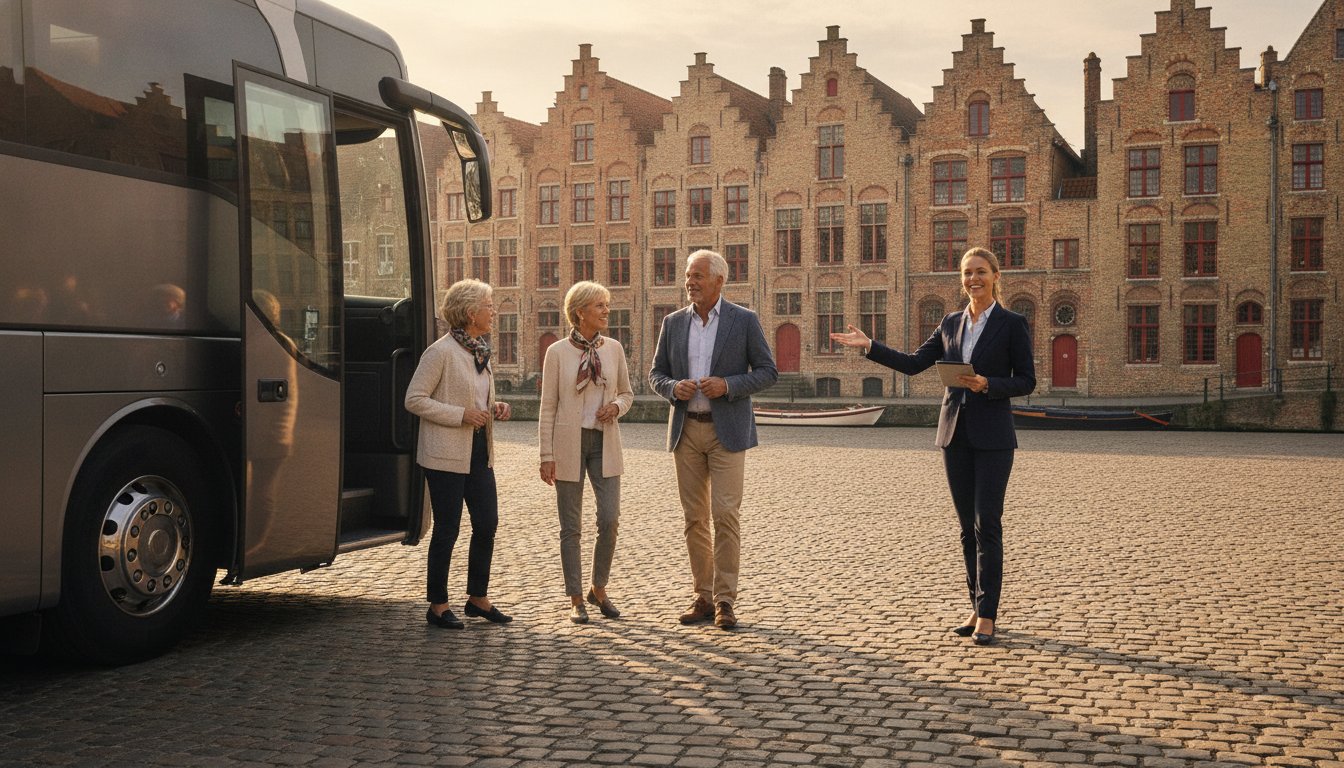
Navigating the winding roads of the Mullerthal or the narrow streets of the Old City requires vehicles designed for the task. Our private fleet of modern coaches ensures that cross-border travel from Belgium or France remains seamless and comfortable. Maintaining a private fleet is the only way to guarantee the uncompromising quality control and technical reliability required for Luxembourg’s varied terrain. Beyond the hardware, coordinating driver hours with complex cultural itineraries is a technical art form. We manage these details behind the scenes, ensuring the coach is always a sanctuary rather than a source of delay.
Strategic Accommodation Management
Luxembourg’s hotel market is prestigious but limited in volume. With 2026 bookings already outpacing 2025 figures, early orchestration of rooming blocks is no longer a suggestion; it’s a necessity. Securing preferred rates and availability for large groups requires the strategic leverage of established Benelux incoming tour operators. We select properties that don’t just offer luxury, but also solve the practical problems of coach parking and central access. Our role as a DMC involves managing every rooming list and group check-in with a meticulous eye, removing the administrative burden from your shoulders. For a logistics plan that transforms technical complexity into an elegant, stress-free reality, partner with our expert team today.
The final layer of the logistical masterclass is the guide. A professional local guide is essential for any luxembourg cultural tour for groups because they don’t just deliver facts; they provide an immersion into the Luxembourgish soul. They bridge the gap between a standard tour and a meaningful cultural dialogue, ensuring your guests leave with a structured understanding of the Grand Duchy’s pillars. This level of expertise is what transforms a trip into a legacy.
Elevating the Experience: Why BELUNE is Your Strategic Luxembourg Partner
Selecting a partner for a luxembourg cultural tour for groups involves more than checking boxes on a logistical list. It requires finding an ally who respects the weight of your brand’s reputation and shares your commitment to excellence. With over 20 years of experience as a specialized DMC, we’ve refined the process of translating complex cultural visions into seamless technical realities. Our approach is defined by a sophisticated, minimalist elegance. We prioritize the emotional resonance of the journey, ensuring that every intervention, from the choice of a guide to the route of the coach, serves the overarching narrative of the tour.
We position ourselves not as a mere supplier, but as a visionary advisor. Our team understands that professional travel groups demand a balance of historical depth and modern comfort. We achieve this through rigorous quality control, particularly through our private fleet of modern coaches and our expert hotel accommodation management. This hands-on control allows us to resolve potential frictions before they even reach the awareness of your guests. It’s this dedication to the invisible architecture of travel that provides our partners with absolute peace of mind.
Your Ally in the Benelux Region
Our support is a continuous thread that runs from the initial inquiry to the final departure. We navigate the unique challenges of the Grand Duchy, such as its compact but high-demand hotel market, with a precision born of local mastery. Our extensive network grants your groups access to exclusive sites and private artisanal experiences that are otherwise inaccessible. By leveraging our Culture Group Tours Benelux expertise, we provide a holistic regional perspective. This ensures that your Luxembourg itinerary flows naturally into neighboring regions, maintaining a consistent level of high-end service across borders.
Next Steps: Curating Your 2026 Itinerary
The journey toward an exceptional tour begins with a deep consultation. We work closely with you to define specific themes, whether they focus on the linguistic harmony of the capital or the wartime remembrance of the Ardennes. This collaborative process ensures that the final itinerary reflects your brand’s unique voice and artistic vision. We provide fixed-price group tour packages, offering the financial clarity needed for professional planning without compromising on the artisanal quality of the experience. When you are ready to elevate your offering, partner with BELUNE for your next Luxembourg cultural tour. Let us transform your vision into a landmark experience.
Shaping the Future of Cultural Travel in Luxembourg
Luxembourg is no longer a mere footnote in European itineraries. It’s a premier destination where 2026 presents a unique opportunity for deep, thematic immersion. By mastering the logistical flow from the capital’s UNESCO core to the rugged Ardennes, you offer your guests a journey of rare sophistication. Success lies in the technical precision of your planning, from securing limited hotel blocks to navigating narrow valleys with a private modern coach fleet. These elements form the invisible architecture that supports your artistic vision.
Organizing a luxembourg cultural tour for groups demands a partner who balances creative ambition with a 20-year legacy of technical mastery. We provide the structural support needed to ensure every detail is managed with a minimalist’s eye for perfection. Our expert local guide services translate the Grand Duchy’s complex history into a resonant human experience, turning a standard trip into a strategic success for your brand.
We invite you to Request your custom Luxembourg group tour itinerary from BELUNE and discover the peace of mind that comes from a dedicated Benelux specialist. The Grand Duchy is waiting to be rediscovered. Let’s create an exceptional journey that stays with your travelers long after they return home.
Frequently Asked Questions
Is Luxembourg suitable for a multi-day group tour?
Luxembourg is an ideal destination for multi-day immersion. While often viewed as a brief stopover, the country’s five distinct regions provide enough historical and artistic depth for a comprehensive 3 to 5 day itinerary. A luxembourg cultural tour for groups can transition from the medieval fortifications of the capital to the industrial heritage of the south and the feudal castles of the Ardennes, ensuring a diverse experience.
How does free public transport in Luxembourg affect group tours?
All public transportation in Luxembourg is free for both residents and visitors as of September 2026. This policy offers a significant advantage for group leisure time. While the primary itinerary is managed via private coach, guests can explore the capital’s ‘Museumsmile’ or the Grund independently during downtime without the friction of purchasing tickets. It adds a layer of effortless mobility that enhances the overall guest experience.
What is the best time of year for a cultural group trip to Luxembourg?
Spring and autumn are the most favorable seasons for cultural exploration. May and June offer vibrant landscapes in the Mullerthal, while October is particularly significant for art enthusiasts. Museum Night is scheduled for October 10, 2026, providing an exceptional opportunity for groups to experience the capital’s galleries after hours. These shoulder seasons balance pleasant weather with a rich calendar of cultural festivals and seasonal highlights.
Can a Luxembourg tour be combined with Belgium or France itineraries?
Luxembourg’s central location makes it a natural anchor for broader Benelux or French itineraries. Cross-border travel is seamless, especially when utilizing a private fleet of modern coaches to maintain quality control. Many operators combine the Grand Duchy’s military history with battlefield sites in Belgium or the vineyards of the Moselle with French wine regions. We manage these multi-country logistics to ensure a fluid, cohesive journey for every guest.
Are Luxembourg’s historical sites accessible for large coach groups?
Most major historical sites are accessible, though the country’s varied terrain requires technical expertise. Narrow valleys in the Mullerthal and the winding streets of the Old City demand precise coach navigation. We utilize our own fleet of modern busses specifically chosen for their ability to handle these logistical constraints. Early coordination is essential to manage site-specific parking requirements and group flow at popular locations like the northern castles.
What languages do local guides in Luxembourg typically speak?
Local guides are typically trilingual, reflecting the country’s linguistic harmony. Most professional guides are fluent in Luxembourgish, French, and German, with high proficiency in English. This linguistic versatility is a cornerstone of a luxembourg cultural tour for groups, as it allows for a deeper dialogue with the local heritage. We provide expert guide services that bridge the gap between simple sightseeing and a true cultural immersion.
What are the UNESCO World Heritage sites in Luxembourg for groups?
The primary UNESCO World Heritage site is the City of Luxembourg’s Old Quarters and Fortifications. This site is a masterclass in military architecture and urban evolution. Additionally, the Family of Man photography collection in Clervaux is listed on the UNESCO Memory of the World Register. These sites form the intellectual pillars of a cultural itinerary, offering groups a structured understanding of European history and humanist values.
How can a DMC help with group hotel bookings in Luxembourg?
A DMC acts as a strategic ally in a compact hotel market. We manage the entire accommodation process, from securing preferred rates to handling complex rooming lists and group check-ins. With 2026 bookings projected to grow, our 20 years of industry experience allows us to navigate availability challenges effectively. We select properties that balance high-end comfort with the practical requirements of coach access and central proximity.