Tag: travel logistics

  • Coach Hire for Group Tours in Belgium: The 2026 Professional Logistics Guide

    Coach Hire for Group Tours in Belgium: The 2026 Professional Logistics Guide

    What if the success of a multi-day cultural journey across Belgium depends entirely on the invisible threads of logistics? In 2026, a high-end travel experience requires more than just a destination; it demands a seamless flow between historic landmarks and modern comforts. We understand that organizing coach hire for group tours in belgium often feels like a gamble between aging fleets and unpredictable schedules. You’ve likely felt the tension of coordinating a 14-day itinerary where every minute matters, especially when hidden fees or mechanical delays disrupt the harmony of a visit to Belgium’s renowned cultural and historic sites.

    This guide provides the technical precision and artistic touch needed to master your group’s movement. You’ll learn how to select a fleet that mirrors the sophistication of your tour, integrate Destination Management Company (DMC) services for flawless execution, and eliminate the risk of unexpected costs. We’ll explore the nuances of national travel to ensure your logistics are as inspiring as the architecture your guests come to admire. By the end of this guide, you’ll have a clear framework for transforming transport from a simple necessity into a refined, bespoke experience.

    Key Takeaways

    • Define the standard for modern travel by selecting a fleet that balances luxury amenities with precise group capacity and luggage requirements.
    • Optimize your logistics by mastering the nuances of coach hire for group tours in Belgium, ensuring every national transit is a seamless and sophisticated experience.
    • Gain a strategic advantage by integrating professional DMC services to synchronize complex driver schedules with site bookings and hotel arrivals.
    • Tailor your transport for specialized itineraries, including poignant remembrance tours and multi-stop gastronomic circuits, through meticulous route planning.
    • Elevate your group’s presence by combining a meticulously maintained, modern private fleet with the refined local expertise of professional drivers.

    The Role of Premium Coach Hire in Belgian Group Travel

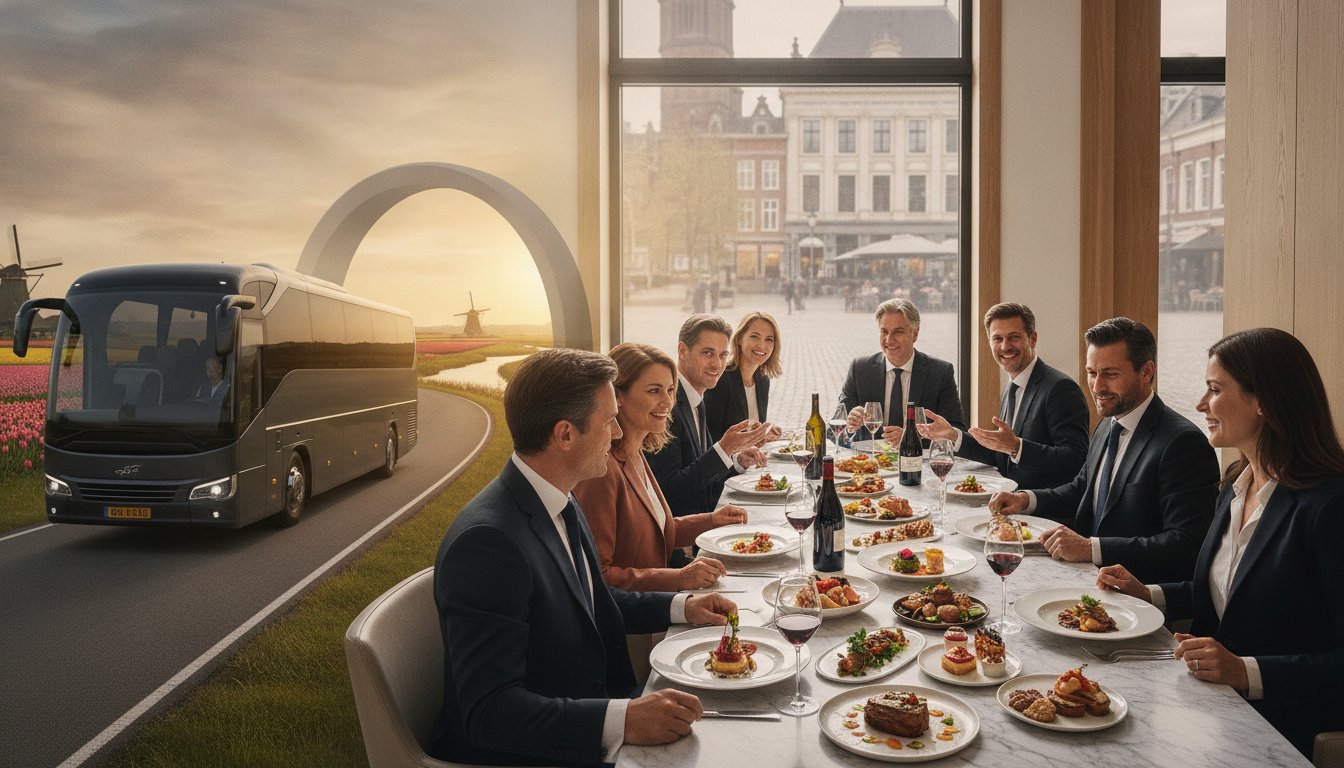
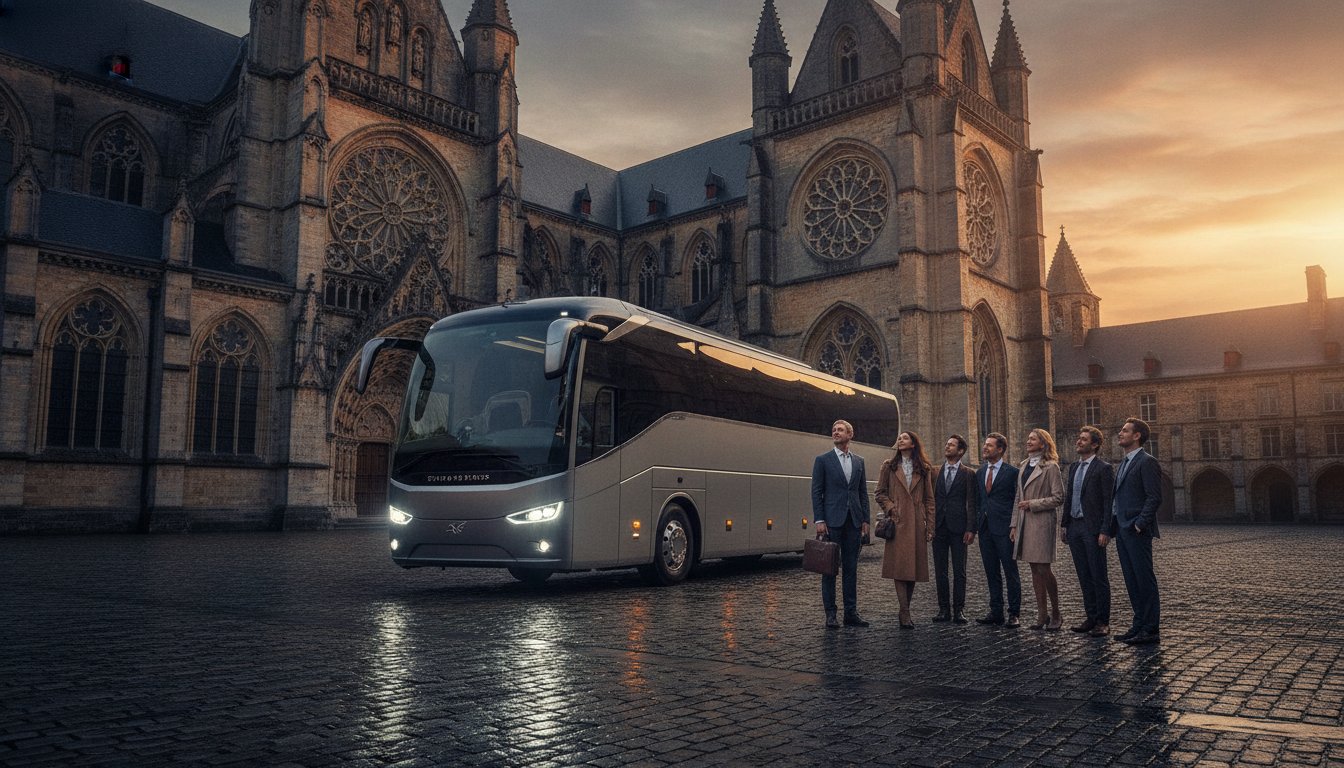
    Modern group transport in Western Europe has moved beyond basic utility. It’s an extension of the architectural experience. A high-end coach acts as the silent pulse of a journey, dictating the rhythm and grace of every excursion. When planning tourism in Belgium, the vehicle choice dictates the group’s collective energy. It’s the difference between a tired group and an inspired one. Data from 2023 indicates that 85% of luxury tour operators now prioritize cabin ambiance over engine horsepower. The coach isn’t a tool for transit anymore. It’s a sanctuary of mobile comfort.

    The evolution of travel has shifted the focus from the destination to the transition. High-quality coach hire for group tours in belgium transforms a standard itinerary into an elite experience. It provides a foundation where logistics disappear into the background. This allows the beauty of the Belgian landscape to take center stage. When the transport quality is high, the perceived value of the entire tour rises. Travelers don’t just remember the Grand Place; they remember the serenity of the ride that took them there. It’s about creating a bespoke atmosphere that mirrors the sophistication of the sites visited.

    The Aesthetic and Technical Balance of Modern Fleets

    Interior lighting isn’t a detail; it’s a mood. Modern fleets now utilize adaptive LED systems to sublimate the travel experience. This harmony between soft nuances and ergonomic seating reduces travel fatigue significantly. Since 2014, Euro 6 emission standards have become the non-negotiable benchmark for sustainable travel. These engines reduce nitrogen oxide by 80% compared to older models. This technical precision meets emotional comfort, ensuring the journey feels as refined as the destination itself. A well-designed cabin uses materials that absorb sound, creating a quiet space for reflection or shared conversation.

    National Logistics: Beyond Simple A-to-B Transfers

    Belgium’s geography is compact but complex. A professional fleet must navigate the historic cobblestones of Bruges in Flanders and the winding hills of the Ardennes in Wallonia with equal grace. Professional logistics involve deep knowledge of hubs like Brussels Airport, which handled over 22 million passengers in 2023. A bespoke service understands these regional nuances. Our approach to coach hire for group tours in belgium ensures that every turn is calculated for maximum comfort and efficiency.

    • Strategic access to Low Emission Zones in Brussels and Antwerp.
    • Coordination across linguistic borders to ensure fluid communication.
    • Real-time traffic monitoring to bypass congestion in the “Brussels Ring.”

    For 2026, a seamless journey is defined as a digitally integrated, carbon-neutral transit experience where the transition between architectural landmarks and mobile lounges is entirely imperceptible to the traveler.

    Selecting the Ideal Vehicle: A Framework for Tour Operators

    Choosing the right transport is a deliberate design choice. It defines the rhythm and texture of the entire journey. For coach hire for group tours in belgium, the balance between group volume and luggage space dictates the initial blueprint. A group of 40 travelers requires more than just 40 seats. It requires a dedicated cargo volume of at least 1.5 cubic meters per ten passengers. This ensures that personal belongings don’t compromise the cabin’s aesthetic harmony or physical space.

    Luxury is found in the details. High-speed Wi-Fi and individualized climate control zones transform a vehicle into a mobile sanctuary. We look for haptic excellence. This means premium leather textures and ergonomic seat pitches of 80cm or more. Sensory comfort reduces travel fatigue. It allows guests to remain inspired by the Belgian landscape rather than drained by the transit. It’s about creating an environment where the transition between destinations is as rewarding as the arrival.

    Safety isn’t a feature; it’s the foundation. Every operator must possess the Euro 6 emission standard certification as a minimum entry point. Driver expertise is equally vital. A driver with 10 years of experience navigating the narrow streets of Bruges or the winding roads of the Ardennes provides more than just a ride. They provide peace of mind. Verification of safety records and maintenance logs is a non-negotiable step for any professional tour operator.

    Fleet Categorization for Diverse Group Needs

    Selecting the right coach hire for group tours in belgium depends on the nature of the delegation. Different groups require different spatial configurations:

    • Executive coaches: Designed for VIP delegations. These vehicles often feature 15-25 seats with lounge configurations and conference tables for on-the-go briefings.
    • High-capacity motor coaches: Ideal for cultural and historical societies. These 50-70 seat vehicles offer panoramic windows to capture the architectural nuances of cities like Ghent.
    • Specialized vehicles: Active groups, such as those following the professional cycling routes of Flanders, need integrated trailers for high-end equipment and specialized racks.

    Environmental and Regulatory Compliance in 2026

    By 2026, Low Emission Zones (LEZ) in Brussels, Antwerp, and Ghent will enforce even stricter access criteria. Operators must prove compliance to avoid heavy fines and entry denials. It’s also essential to consult the Official Belgian tourism information for regional travel updates and seasonal restrictions. Driver rest-period regulations, specifically Regulation EC No 561/2006, strictly mandate a 45-minute break every 4.5 hours of driving. This isn’t a suggestion. It’s a legal requirement that directly shapes your itinerary’s timing. Verifying international operating licenses and comprehensive insurance remains the final step in securing a seamless experience. For those seeking to elevate their travel experience through meticulous planning, the vehicle becomes the most powerful tool in your logistical arsenal.

    The Strategic Advantage of Integrated DMC Logistics

    Renting a bus is a transaction; managing a journey is an art. A standalone coach rental often leaves the operator to bridge the gap between the road and the destination. When we integrate coach hire for group tours in belgium into a broader DMC framework, the vehicle becomes a mobile sanctuary. It’s a space where the logic of the itinerary meets the poetry of the landscape. Our team synchronizes driver schedules with hotel check-ins and site-specific time slots with surgical precision. This centralized control mitigates the risks inherent in travel through a dedicated layer of local intelligence.

    • Real-time fleet monitoring to bypass congestion in Brussels or Antwerp before it affects the group.
    • Local expertise that navigates the specific low-emission zone (LEZ) regulations updated for 2024.
    • A single point of contact that handles everything from route adjustments to driver compliance.

    This approach doesn’t just solve problems; it prevents them from manifesting. By viewing transport as a foundational element of the architectural experience of travel, we ensure that every movement is intentional. The value of a single point of contact can’t be overstated. It eliminates the friction of fragmented communication, allowing the tour leader to focus on the guests while we master the mechanics of the road.

    Synchronizing Transport with Cultural Narratives

    The soul of a tour lies in its timing. When a driver understands the delicate pace of a Flemish Primitives art tour or the lingering nature of a gastronomy experience, the transport becomes part of the story. This synergy between local guide services and transport timing creates a nuanced experience. It’s about the silence after a powerful gallery visit or the perfect lighting at sunset in Bruges. We design these moments with precision, ensuring the transition from the cobblestone streets to the comfort of the coach is seamless. Integrated logistics allow for “nuanced” travel where the rhythm of the day feels natural rather than forced.

    Efficiency and Cost-Effectiveness of Bundled Services

    Precision in logistics is also a matter of fiscal wisdom. Analyzing the ROI of fixed-price group tours reveals that bundled services provide much more than just a number. They offer a shield against the hidden fees of urban tolls or last-minute parking surcharges that often haunt unmanaged bookings. For international operators, this brings an essential peace of mind. It’s the difference between a project that stays within its creative and financial boundaries and one that suffers from logistical bloat. Choosing an integrated approach to coach hire for group tours in belgium ensures that every Euro spent contributes to the excellence of the guest experience rather than administrative overhead.

    Operational Excellence: Logistics for Themed Itineraries

    Precision transforms a simple journey into a seamless narrative. Selecting the right coach hire for group tours in belgium involves more than just booking a vehicle; it requires a technical mastery of local geography and timing. Every themed itinerary presents unique challenges that demand an expert’s touch to ensure the flow remains uninterrupted and the experience stays immersive.

    Logistics for Belgium gastronomy tours are particularly sensitive to the clock. Managing multiple stops across different provinces, from a rural farm in the Ardennes to an urban chocolatier, requires a driver who understands the nuances of local traffic. Punctuality is vital when reservations at Michelin-starred establishments or private breweries are at stake. The vehicle must also provide a climate-controlled environment to protect any artisanal purchases made throughout the day.

    Active travel groups, such as cycling enthusiasts, require a mobile hub rather than just a bus. The coach must coordinate perfectly with the peloton, meeting riders at specific intervals with hydration, nutrition, and technical support. This involves navigating narrow rural roads where larger vehicles often struggle. Our approach treats the coach as a strategic ally, ensuring that the support is invisible until the moment it becomes essential.

    Battlefield Tourism: Respectful and Timely Transport

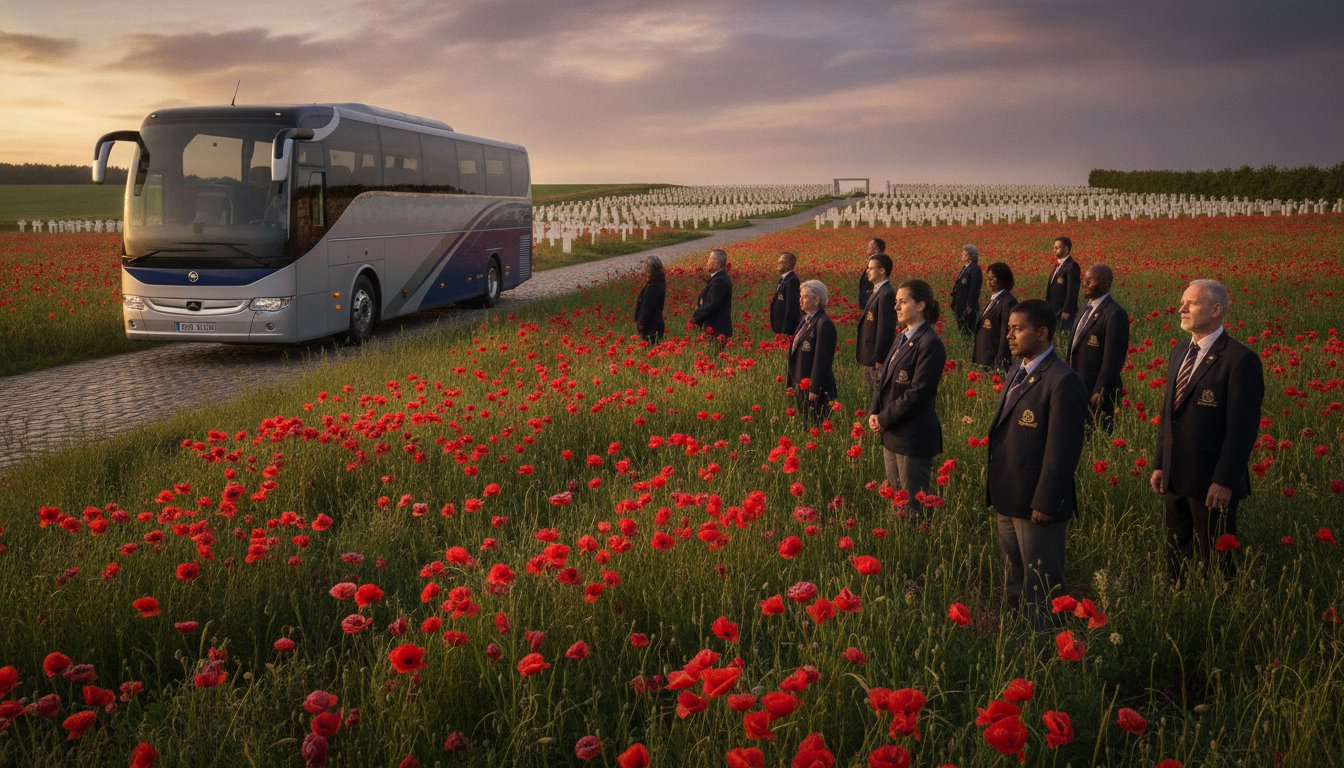
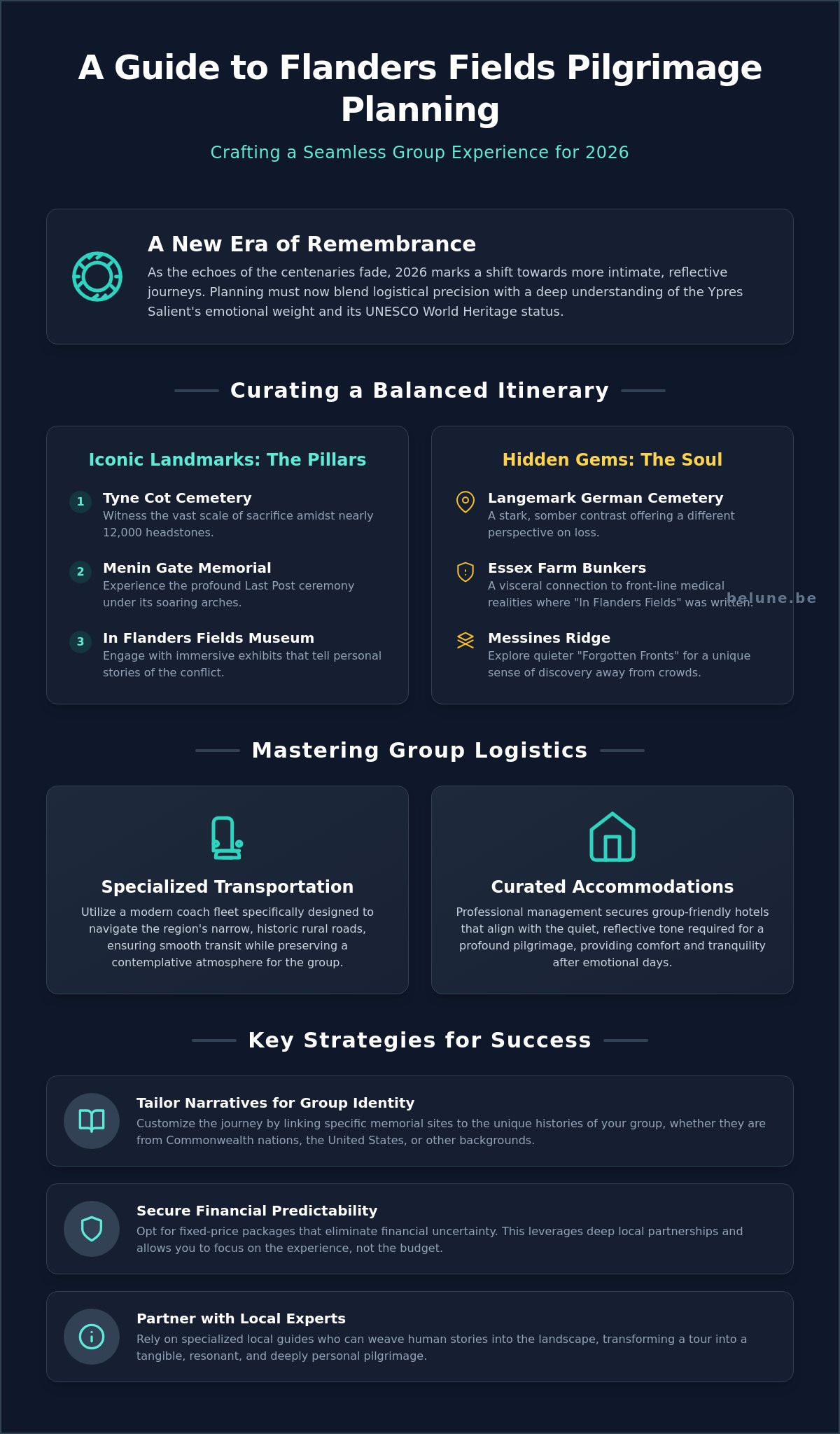
    Visits to Flanders Fields require a specific emotional intelligence from the transport team. These trips are often pilgrimages of deep personal significance. The driver’s role is to maintain a quiet, respectful atmosphere while managing a complex schedule of cemeteries and memorials. The logistical complexity of the Ypres Salient region is defined by its 150 military cemeteries connected by narrow, winding lanes that require expert maneuvering. We ensure groups reach the Menin Gate well before the 8:00 PM Last Post ceremony, allowing for a peaceful transition from the road to the memorial site.

    Art Nouveau and Heritage: Accessing Architectural Gems

    Navigating the historic hearts of Brussels, Antwerp, or Ghent requires a sophisticated understanding of urban restrictions. Many architectural masterpieces are located within Low Emission Zones (LEZ) or pedestrian-heavy districts where coach access is strictly regulated. We coordinate arrivals to coincide with private gallery openings, ensuring guests spend their time admiring heritage rather than walking from distant parking lots. Between stops, the vehicle acts as a refined sanctuary. It’s a space where the group can process the visual richness of the tour in comfort. For those seeking an elevated experience, the coach hire for group tours in belgium becomes a mobile extension of the museum district itself.

    Discover how we can elevate your group’s journey with our bespoke transport solutions tailored for architectural and historical excellence.

    The BELUNE Difference: Elevating Your Group Presence

    At BELUNE, we view logistics as a form of architecture. Every journey through the historic centers of Bruges or the diplomatic quarters of Brussels requires a precise balance of technical rigor and aesthetic grace. Our private fleet represents this philosophy. We operate a selection of modern vehicles where sophisticated design meets meticulous maintenance; each coach undergoes a comprehensive safety inspection every 90 days to ensure absolute reliability. This commitment to quality ensures that your coach hire for group tours in belgium reflects the high standards of your own brand.

    The human element remains our most vital asset. Our drivers are more than operators; they are ambassadors of Belgian culture. With an average of 12 years of experience on European roads, they provide local insights that digital maps often overlook. They understand the nuance of Belgian traffic and the harmony required to keep a group on schedule without ever feeling rushed. This expertise is backed by 20 years of logistical mastery within the Benelux region, allowing us to navigate complex urban environments with ease.

    • Bespoke Planning: No two transport plans are identical because no two groups share the same rhythm.
    • Technical Excellence: Our fleet features the latest Euro 6 emission standards and premium interior finishes.
    • Professional Discretion: We prioritize a seamless, quiet, and professional environment for all passengers.

    Partnering for Success in 2026

    As we prepare for the 2026 travel season, BELUNE acts as a strategic ally for international tour operators. Securing a reliable coach hire for group tours in belgium is the foundation of a successful itinerary. Our role as a premier Benelux incoming tour operator allows us to offer more than just seats; we provide a deep understanding of regional regulations and hidden logistical advantages. We invite partners to request a tailored transport and itinerary proposal, which our team develops with a focus on efficiency and passenger comfort.

    Our Vision for the Future of Group Travel

    Innovation drives our trajectory. We are currently investing in advanced fleet technology and sustainable practices to reduce our carbon footprint by 15% over the next two years. Our vision maintains a delicate balance of technical rigor and artistic vision. We don’t just move people; we curate the space between destinations. This approach ensures that the travel itself becomes a highlight of the tour. For high-end group coordination that demands perfection, BELUNE is your definitive partner. Let’s design a journey that resonates with excellence and transforms the way your group experiences Belgium.

    Defining the Future of Belgian Group Logistics

    Success in 2026 requires more than just a vehicle; it demands a seamless fusion of technical precision and artistic itinerary design. By prioritizing a private fleet of modern, high-specification vehicles, tour operators ensure every journey reflects the prestige of their brand. Integrating professional DMC logistics allows for the fluid execution of complex themed routes, turning logistical challenges into effortless travel experiences. Whether your focus is the intricate details of Flemish Art or the somber history of 1914-1918 Battlefield sites, the right partner transforms transit into a narrative journey.

    BELUNE brings 20 years of Benelux travel expertise to every project, acting as a visionary ally for your group’s unique needs. We specialize in sophisticated coach hire for group tours in belgium, providing a foundation of reliability and aesthetic excellence. Our team handles the nuances of timing and coordination so you can focus on the emotional impact of the destination. It’s time to move beyond standard transport and embrace a tailored approach that respects the art of travel.

    Request your custom group transport and tour itinerary to begin crafting your next exceptional Belgian narrative. We look forward to realizing your vision together.

    Frequently Asked Questions

    What is the standard capacity for a group tour coach in Belgium?

    Standard coaches in Belgium typically accommodate between 49 and 57 passengers. These 12-meter vehicles offer a refined balance of space and efficiency for large delegations. For smaller groups, 19-seat executive minibuses provide a more intimate atmosphere. Selecting the right scale ensures technical precision in your logistics while maintaining the comfort of every guest throughout the journey.

    How far in advance should I book coach hire for a peak-season tour?

    You should secure your coach hire for group tours in belgium at least 6 to 9 months before your departure date. Peak season, specifically from May to September, sees a 40% increase in demand across the Benelux region. Early reservation guarantees access to the latest 2025 or 2026 models. It allows us to curate every detail of your journey with the rigor your itinerary deserves.

    Are Belgian coaches equipped to handle passengers with limited mobility?

    Belgian coach fleets comply with EU Regulation 181/2011, ensuring accessibility for all passengers. Approximately 85% of modern touring coaches in Belgium feature hydraulic lifts or low-floor entries for wheelchairs. We recommend specifying your requirements during the design phase of your tour. This ensures the vehicle’s architecture perfectly aligns with the physical needs of your group, creating a seamless flow for everyone.

    Do coach hire prices in Belgium include driver accommodation and meals?

    Most contracts exclude driver meals and accommodation, requiring the tour operator to provide these separately. Standard industry practice involves providing the driver with a single room and three meals a day during overnight trips. This professional courtesy ensures the driver remains focused and refreshed. It’s a vital component in the harmony of a successful long-distance tour, reflecting a commitment to excellence and safety.

    Can a private coach travel across borders to the Netherlands or France?

    Private coaches can travel freely across borders to the Netherlands or France under the Schengen Agreement. This flexibility allows for a bespoke European experience where the transition between countries is fluid and effortless. Drivers must adhere to EU Regulation 561/2006, which limits daily driving to 9 hours. Planning your route with these technical constraints ensures a safe, sophisticated journey through diverse landscapes.

    What safety features should I look for in a 2026 motor coach?

    A 2026 motor coach must include Advanced Emergency Braking Systems and Lane Departure Warning Systems as standard equipment. These features are mandated by the updated EU General Safety Regulation to minimize human error. Look for vehicles equipped with 360-degree camera systems and blind-spot sensors. These technical innovations transform the coach into a secure sanctuary, allowing passengers to focus on the beauty of the Belgian scenery.

    How do Belgian Low Emission Zones affect coach tour itineraries?

    Low Emission Zones in cities like Brussels and Antwerp restrict access to vehicles meeting Euro 6 standards or higher. Currently, 100% of the Brussels Capital Region is a restricted zone for older, high-polluting engines. Using a modern coach hire for group tours in belgium ensures your itinerary remains uninterrupted by local environmental laws. This commitment to innovation protects both your schedule and the delicate urban atmosphere.

    Is it possible to brand the coach with my own tour operator logo?

    Branding a coach with your logo is possible through high-quality magnetic decals or temporary vinyl wraps. These bespoke visual elements turn a premium vehicle into a mobile extension of your brand’s identity. Professional installers can apply these graphics in under 4 hours, ensuring the coach reflects your vision before the first guest arrives. It’s an elegant way to claim the space and enhance your professional presence during the tour.

  • Gastronomy Group Travel in the Netherlands: A Masterclass in Culinary Logistics

    Gastronomy Group Travel in the Netherlands: A Masterclass in Culinary Logistics

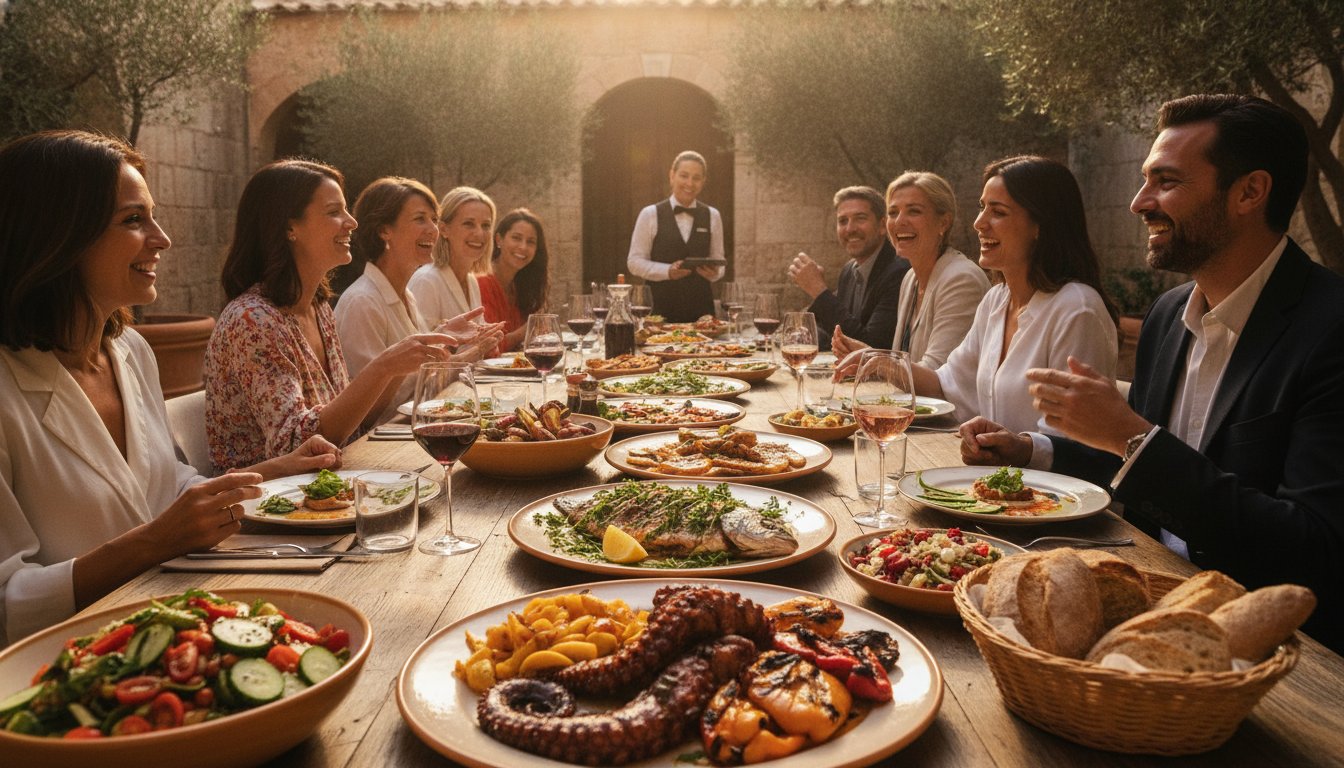
    A Michelin-star experience often collapses not at the table, but in the friction of the journey between the vineyard and the cellar. True luxury is found in the silence of a perfectly timed arrival. You understand that orchestrating gastronomy group travel netherlands for twenty or more guests requires more than a palate for fine wine; it demands the technical rigor of an architect. Moving a high-profile group through the cobblestone streets of Utrecht or the windswept polders of North Holland without losing the sense of intimacy is a delicate dance.

    We’re here to elevate these logistical challenges into a seamless art form. This masterclass provides the blueprint for creating bespoke, turnkey culinary journeys that maintain a premium feel at every scale. You’ll discover how to secure exclusive, non-touristy venues that accommodate large groups while preserving their soul. We explore the precision required to manage forty distinct dietary profiles without compromising the chef’s vision, ensuring your next Dutch expedition is defined by harmony and effortless elegance.

    Key Takeaways

    • Orchestrate sophisticated journeys that bridge the gap between historic Dutch heritage and the nation’s emerging status as a sustainable fine-dining powerhouse.
    • Learn to balance the rustic charm of regional traditions with the avant-garde glass-house innovations defining the future of gastronomy group travel netherlands.
    • Discover the logistical secrets to maintaining a seamless itinerary rhythm through the strategic use of private coach fleets in restricted urban zones.
    • Identify how to select venues that harmonize architectural soul with the technical capacity required for high-end professional group hosting.
    • Master the “A to Z” approach to itinerary design, ensuring every culinary encounter is sublimed by expert vision and rigorous execution.

    Defining Gastronomy Group Travel in the Netherlands for 2026

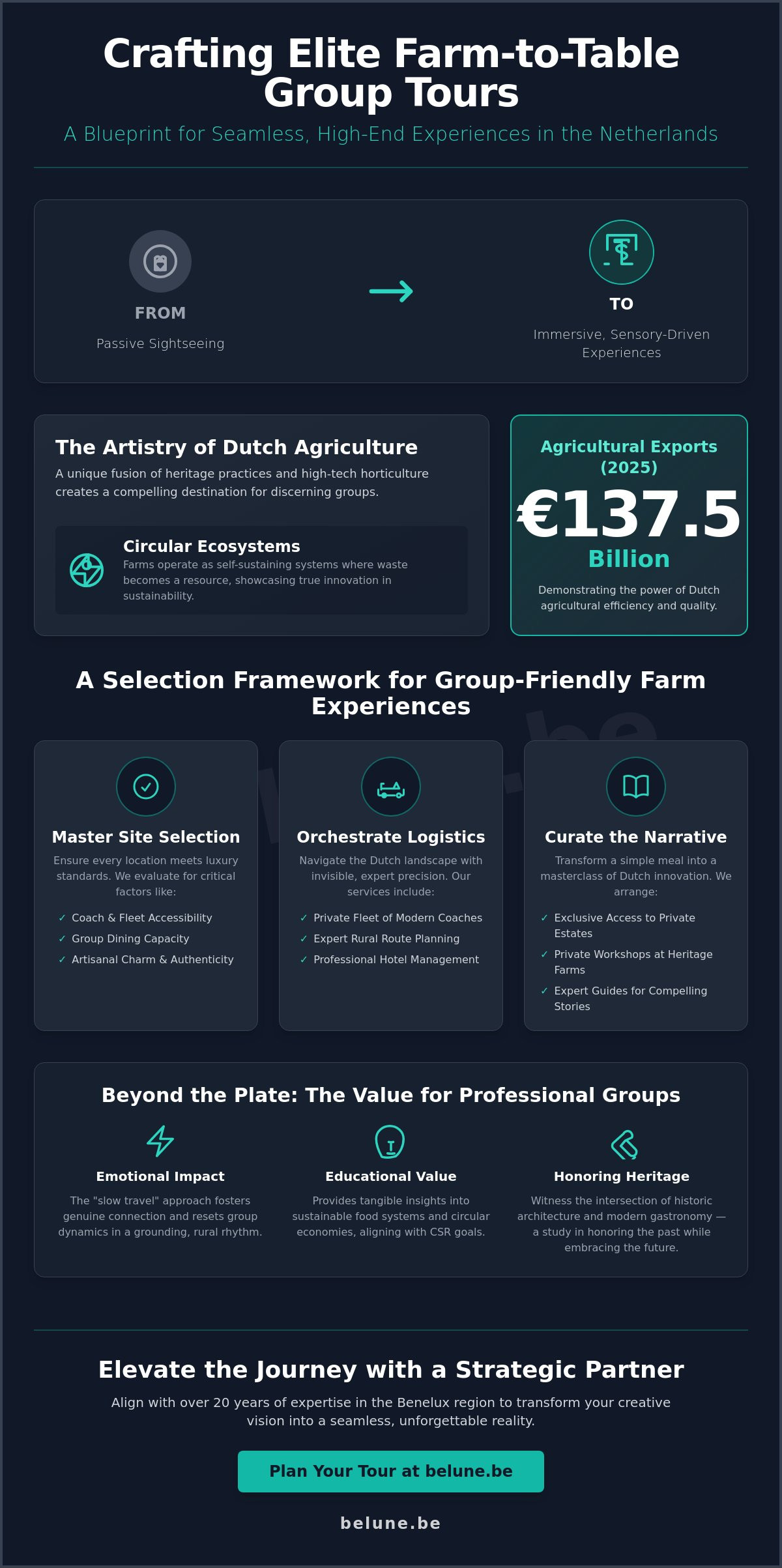
    Gastronomy group travel netherlands is no longer just about the consumption of local delicacies. It has transformed into a curated narrative of a nation’s identity, expressed through its plate and the stories behind its producers. By 2026, the Dutch culinary scene will be recognized as a global powerhouse of innovative, sustainable fine dining. This evolution reflects a shift where the meal itself is the destination, requiring a level of orchestration that transcends traditional tourism.

    A fundamental distinction exists between a casual food tour and a professionally managed culinary itinerary. While a tour might offer a glimpse of a cheese market, a managed itinerary constructs a symphony of experiences. It balances sensory discovery with technical precision. A Destination Management Company (DMC) serves as the essential architect in this process. We bridge the gap between exclusive local producers and international groups, ensuring that every interaction feels bespoke and purposeful rather than transactional.

    The Evolution of the Dutch Culinary Landscape

    The Dutch kitchen has moved far beyond its humble agricultural origins. Today, it celebrates a Michelin-starred renaissance that emphasizes purity and technical mastery. As of the 2024 Michelin Guide, the Netherlands boasts 113 starred establishments, a figure that continues to climb as we approach 2026. This growth is rooted in Dutch culinary traditions, which have been reimagined through a modern “Farm-to-Fork” philosophy. This isn’t a marketing trend; it’s a national standard. The varied landscape, from the saline Zeeland shores to the fertile clay of the polders, informs a menu diversity that is both seasonal and surprising.

    The B2B Perspective: Why Logistics Matter

    Professional tour operators understand that high-end gastronomy requires more than a simple table reservation. The success of a multi-day journey depends on the “flow” of the experience. We view logistics as a material of construction, much like light or architecture. Every transition must be seamless. The synergy between transport, timing, and taste is delicate. If a group arrives late to a tasting because of poor routing, the chef’s timing is ruined and the emotional impact is lost. Precision is the silent partner of flavor. Our role is to master these invisible details, allowing the guest to focus entirely on the harmony of the dish.

    • Strategic Timing: Aligning transport schedules with peak kitchen performance.
    • Access: Opening doors to private estates and experimental labs usually closed to the public.
    • Cohesion: Ensuring the narrative of the trip remains consistent from the first appetizer to the final pairing.

    The Dutch approach to 2026 is one of quiet confidence and radical sustainability. By integrating architectural precision with culinary passion, we create environments where light, space, and food converge. It’s about more than just eating; it’s about the sublime realization of a project where every nuance has been considered.

    The Pillars of a High-End Dutch Culinary Itinerary

    Design defines the plate. In the context of gastronomy group travel netherlands, the architecture of the experience matters as much as the flavor profile. We seek out venues that bridge the gap between 17th-century Golden Age aesthetics and 21st-century culinary technology. A private dinner within the historic walls of a canal-side estate or a converted industrial warehouse in Amsterdam’s NDSM wharf provides the scale needed for groups without sacrificing the whisper of exclusivity. It’s about finding harmony between the heritage of the space and the innovation of the menu.

    Storytelling transforms a meal into a lasting memory. Local experts don’t just explain the ingredients; they narrate the history of the land. Whether it’s the complex reclamation of the Flevoland polders or the spice trade legacy reflected in Rotterdam’s modern food halls, every bite carries narrative weight. We integrate interactive workshops, such as private masterclasses with North Sea fishmongers or artisanal cheese makers, to create a sense of active participation. This hands-on engagement ensures that the journey remains personal, even within a larger group setting.

    Curating the Fine Dining Experience

    Achieving intimacy for groups of 20 or more requires surgical precision. We select spaces where acoustics and lighting create a cocoon of privacy, avoiding the sterile atmosphere of standard banquet halls. The Belune standard demands a choreography of service where every movement is intentional and fluid. Pairings go beyond the traditional wine cellar; we explore the nuance of Dutch craft spirits and the resurgence of local viticulture from the Limburg region. This meticulous approach ensures that bespoke culinary environments resonate with the sophisticated traveler’s expectations.

    Authentic Heritage and Seasonal Excellence

    The Dutch calendar dictates the menu with absolute authority. Between April and June, the “white gold” of Brabant asparagus takes center stage. By September, the focus shifts to the game and forest harvests of the Veluwe. Accessing these moments requires deep-rooted partnerships with local producers who rarely open their doors to the public. We present traditional staples like haring or stamppot through a lens of modern refinement. By applying contemporary techniques to heritage recipes, we preserve the soul of the dish while elevating its aesthetic for a global palate. This balance of the rustic and the refined is the hallmark of premium gastronomy group travel netherlands.

    Regional Flavours vs. Modern Innovation: A Comparative Analysis

    The Dutch culinary landscape is a study in contrasts. It’s a delicate balance between the raw, salt-sprayed traditions of the coast and the meticulously engineered innovation of the metropolitan hubs. For those orchestrating gastronomy group travel netherlands, understanding this duality is essential. It isn’t just about the food. It’s about how light, architecture, and heritage converge to create a singular sensory experience. We see this most clearly when comparing the dim, amber-lit intimacy of a 17th-century “brown cafe” with the transparent, ethereal atmosphere of a modern glass-house restaurant.

    The Coastal Harvest and Maritime Influence

    The Dutch coastline stretches across 451 kilometres of diverse maritime terrain. In regions like Zeeland, the logistics of seafood for groups of 20 to 50 guests demand a 12-hour turnaround from dock to table. This ensures the peak vibrancy of the Oosterschelde lobster and Dutch Imperial oysters. The North Sea isn’t just a source of ingredients; it’s a cultural pillar. Contemporary chefs now pair these historic harvests with minimalist techniques that highlight the ingredient’s purity. We often recommend venues where the architecture frames the sea, using natural light to sublime the textures of the plate. It’s a choreography of freshness and heritage.

    The Heartland: Dairy, Grains, and Tradition

    Moving inland, the narrative shifts toward the “Groene Hart” or Green Heart. This region accounts for approximately 15% of the country’s total land area, dedicated largely to pastoral agriculture. Group engagement here goes beyond a simple cheese market visit. We curate deep-dives into artisanal production where guests witness the precision of aging 40-kilogram wheels of Gouda in climate-controlled cellars. The architectural beauty of these rural dining locations, often repurposed 18th-century barns, provides a grounding contrast to urban luxury. Managing the transition for a group involves a strategic 60-minute journey from these rustic settings to the sleek, polished environments of the city center.

    Innovation thrives in the metropolitan core. Since 2021, Amsterdam and Rotterdam have seen a 25% increase in high-end, plant-based dining concepts. These spaces often utilize glass-house architecture to blur the lines between the kitchen garden and the dining room. This transparency reflects a commitment to sustainability and technical excellence. Gastronomy group travel netherlands now frequently centers on these hubs of “New Dutch” cuisine, where the focus is on harmony and nuance. Key logistical considerations for these urban experiences include:

    • Acoustic Design: Selecting venues where group conversation doesn’t compromise the serene atmosphere.
    • Lighting Mastery: Utilizing spaces that adapt their luminosity to the shifting Dutch sky.
    • Sustainable Flow: Prioritizing restaurants with zero-waste certifications, which now number over 30 in major cities.
    • Custom Curation: Designing menus that bridge the gap between rural tradition and metropolitan avant-garde.

    The Dutch food scene doesn’t settle for the ordinary. It’s a deliberate conception of space and taste. Whether it’s the rugged charm of a maritime port or the sharp lines of a plant-based laboratory, the focus remains on quality. Every meal is an opportunity to explore the technical and emotional resonance of the landscape.

    Logistical Precision: The Backbone of Seamless Group Travel

    Excellence in gastronomy group travel netherlands isn’t defined by the menu alone; it’s defined by the rhythm of the journey. Logistics serve as the invisible architecture that supports every sensory experience. When a group arrives at a historic canal-side restaurant, the transition from the road to the table must be effortless. This precision ensures that guests aren’t thinking about traffic or parking; they’re ready to engage with the first glass of Dutch sparkling wine. Timing is a sensory element. A group that arrives harried will never appreciate the subtle nuances of a North Sea grey shrimp croquette. We treat time as a material to be shaped, ensuring every arrival is calm and every departure is punctual.

    Transport Mastery for Large Groups

    A private coach fleet acts as a sanctuary on wheels. We prioritize modern, high-comfort vehicles that mirror the sophistication of the dining venues themselves. These coaches navigate the complex geography of the Netherlands, where water and land constantly intersect. Professional drivers are essential for managing the strict milieuzones (environmental zones) now active in over 15 Dutch cities. In 2024, these regulations require Euro 6 or zero-emission vehicles for entry into urban centers like Amsterdam and Utrecht. By coordinating these arrivals with surgical precision, we eliminate the stress of historic zone restrictions. This links remote artisanal producers in Zeeland with urban luxury dining rooms through a seamless, silent thread of transport.

    Expert Local Guidance and On-the-Ground Support

    The role of a Destination Management Company (DMC) is to be the silent conductor of a complex symphony. Beyond the visible itinerary, we manage the intricate details of dietary requirements and last-minute adjustments. If a cheese-making workshop in a Gouda warehouse runs ten minutes long, the DMC recalibrates the entire evening in real-time. Multi-lingual local experts don’t just translate; they interpret the culture. They manage group dynamics during high-energy culinary workshops, ensuring every participant feels seen and supported. With 24/7 logistical support, tour operators gain a strategic ally that handles the unexpected with grace. This level of oversight transforms a simple trip into a masterclass in gastronomy group travel netherlands.

    True hospitality begins long before the first course is served. It starts with a vision of perfect harmony between movement and rest. Discover how our expertise in atmosphere and design can elevate your professional vision.

    Partnering with BELUNE: Your Vision, Our Execution

    BELUNE transforms the logistical complexity of gastronomy group travel netherlands into a seamless, high-end experience. With 20 years of expertise in the Benelux region, we don’t just coordinate logistics; we compose journeys. Our “A to Z” philosophy ensures that every detail, from the conceptual sketch of an itinerary to the final farewell at the airport, reflects an uncompromising standard of quality. We act as an extension of your team, providing the technical precision and creative flair needed to sublime every guest interaction.

    Transparency drives our partnerships. We provide fixed-price group packages that eliminate the uncertainty often associated with high-end culinary tours. This approach offers tour operators clear value and predictable margins, allowing you to focus on client relationships while we manage the intricate choreography of local suppliers, Michelin-starred venues, and private tastings. It’s a commitment to culinary artistry that prioritizes lasting memories over simple sightseeing.

    Bespoke Itinerary Design

    We believe every group possesses a unique cultural profile. A group of North American epicureans seeks a different pace than European corporate delegates. Our design process begins with this nuance, tailoring every stop to match the group’s expectations. We often expand the horizon by integrating Belgium gastronomy tours into the schedule. This creates a comprehensive Benelux experience where the rustic flavors of the south meet the innovative seafood techniques of the Dutch coast. By combining these culinary themes with culture group tours in Benelux, we ensure the narrative of the trip is rich, diverse, and intellectually stimulating.

    The BELUNE Difference

    Control is the foundation of our excellence. Unlike agencies that outsource core services, BELUNE maintains a private fleet and a dedicated in-house team. This vertical integration allows us to pivot instantly to client needs and maintain total control over the guest experience. It’s why we’ve become the preferred benelux incoming tour operator for discerning agents who require more than just a service provider. We are strategic allies in the realization of exceptional architectural and culinary projects.

    • Expertise: Two decades of specialized knowledge in the Benelux luxury sector.
    • Reliability: A private fleet that ensures punctuality and elite comfort.
    • Vision: An artisanal approach to gastronomy group travel netherlands that treats light, space, and food as a single harmonious experience.

    Planning for the future requires foresight and a partner who understands the evolving landscape of luxury travel. We are currently accepting inquiries for 2026 group travel needs. Requesting a custom proposal is the first step toward securing a journey that reflects your brand’s commitment to excellence and BELUNE’s mastery of the Dutch and Belgian landscape.

    Crafting the Future of Dutch Culinary Excellence

    The evolution of gastronomy group travel netherlands for 2026 transcends simple dining. It represents a sophisticated harmony between regional heritage and modern innovation. Success relies on the invisible mastery of logistics. When technical precision meets creative vision, the result is an unforgettable sensory journey. We believe every itinerary should be a bespoke masterpiece, where the transition between a historic farm and a Michelin-starred kitchen is as fluid as the light in a Dutch painting. Reliability is the silent partner of inspiration. It’s the foundation that allows your guests to truly savor the moment.

    With 20+ years of Benelux DMC expertise, BELUNE provides the structural integrity your projects deserve. We manage the delicate nuances of group movement through our private fleet of modern, high-comfort coaches. Our specialized B2B focus ensures absolute fixed-price package transparency, removing the friction from your planning process. You’re not just booking a service; you’re partnering with a visionary team dedicated to your success. Let’s transform your logistical requirements into a seamless narrative of taste and elegance.

    Partner with BELUNE to design your next Dutch culinary masterpiece. Your vision deserves our execution.

    Frequently Asked Questions

    What makes the Netherlands a top destination for gastronomy group travel in 2026?

    The Netherlands stands out in 2026 due to its 132 Michelin-starred establishments and a 15% increase in farm-to-table initiatives across the country. This evolution makes gastronomy group travel netherlands a premier choice for those seeking culinary innovation. We focus on the harmony between traditional Dutch heritage and modern sustainability. Our itineraries highlight this balance through exclusive access to private vineyards and high-tech urban farms.

    How does BELUNE handle transport for large groups visiting historic Dutch centres?

    BELUNE manages logistics by deploying Euro 6 compliant coaches and 100% electric canal boats for city center access. We navigate the 17th-century canal rings using vessels designed for silence and comfort. This technical precision ensures your group moves effortlessly through narrow streets. We coordinate every arrival with 15-minute buffer windows to maintain a seamless flow between venues.

    Can culinary itineraries be customized for specific group interests, such as beer or cheese?

    We design every itinerary as a bespoke masterpiece tailored to your group’s specific fascinations. Whether you’re exploring the 900 craft breweries currently operating or the 800-year history of Gouda cheese, our team crafts the narrative. Gastronomy group travel netherlands thrives on these specialized niches. We connect you directly with master blenders and artisanal producers for private, hands-on workshops.

    What is the ideal group size for a premium Dutch gastronomy tour?

    A group size of 12 to 20 guests represents the ideal balance for premium culinary experiences. This range allows for intimate “Chef’s Table” interactions that larger crowds can’t access. Many high-end Dutch venues cap private dining at 24 seats to preserve the atmosphere. By keeping groups within these limits, we’ll ensure every guest receives personalized attention from the sommelier and kitchen staff.

    How are dietary requirements managed during large-scale group dining events?

    We manage dietary needs through a rigorous digital profiling system implemented 30 days before the tour begins. This data allows our partner chefs to integrate allergies and preferences into the menu design rather than offering last-minute substitutions. Our team cross-references every ingredient for 100% compliance. This meticulous approach guarantees a safe, inclusive dining experience for every participant.

    Does BELUNE provide all-inclusive pricing for B2B tour operators?

    BELUNE provides comprehensive, transparent net rates designed specifically for B2B tour operators. Our quotes cover 100% of the logistical chain, from transport to gratuities. This clarity allows you to build your packages with absolute confidence. We’ll act as your strategic ally, ensuring no hidden costs disrupt your financial planning or client relationships.

    What is the best time of year to plan a culinary group trip to the Netherlands?

    The months of April through June offer the most vibrant culinary landscape for group visits. This period aligns with the North Sea crab season and the famous “White Gold” asparagus harvest starting in mid-April. September and October provide a rich alternative with game meats and harvest festivals. We recommend booking 12 months in advance to secure the most sought-after seasonal venues.

    How do local guides enhance the gastronomic experience for international groups?

    Our guides act as cultural architects who transform a simple meal into a profound human experience. They bring 10 or more years of local expertise to every tour, bridging the gap between technical food production and emotional storytelling. They don’t just translate menus; they reveal the soul of Dutch hospitality. This expert guidance adds a layer of sophistication that standard tours lack.

  • Contingency Planning for European Group Tours: The Professional DMC Checklist

    Contingency Planning for European Group Tours: The Professional DMC Checklist

    What if the true signature of a luxury travel expert isn’t the sunset over an iconic European vista, but the invisible hand that guides a group when the unexpected occurs? A flawless itinerary is a fragile masterpiece. Across the intricate geography of diverse European destinations, where a 24-hour rail strike or a sudden severe weather event can dismantle months of coordination, your reputation rests on the unseen. You know that excellence requires more than just a vision of beauty; it demands a technical rigor that protects the guest experience at all costs. Masterful contingency planning for european group tours is the essential foundation that ensures a 95% client retention rate remains untouched by logistical volatility.

    We’ll help you elevate your risk management into a refined art of resilience. This article provides a professional framework to manage multi-country regulations and transport disruptions with the same precision an artisan uses to balance light and shadow. You’ll gain a robust checklist designed to reduce on-the-ground stress and secure higher satisfaction. From navigating 2024 transport shifts to mastering local protocols, we’re sharing the strategic blueprint for travel that stays harmonious, no matter the circumstances.

    Key Takeaways

    • Discover how to construct an “invisible safety net” that protects your brand’s reputation through professional resilience architecture and client trust management.
    • Identify specific logistical risks within the Benelux and France regions to proactively navigate transport volatility, including rail strikes and road closures.
    • Learn to implement a strategic redundancy framework that builds “Plan B” transport and local fleet partnerships directly into every high-end itinerary.
    • Master the art of contingency planning for european group tours by establishing 24/7 communication protocols for seamless mid-tour recovery and triage.
    • Leverage over 20 years of DMC expertise to transform potential disruptions into uninterrupted, sophisticated cultural journeys that inspire confidence.

    The Architecture of Resilience: Why Contingency Planning is Essential for Group Tours

    Excellence in high-end travel isn’t merely defined by the beauty of the destination. It’s found in the silent strength behind the scenes when the unexpected occurs. Professional contingency planning for european group tours serves as the invisible safety net of luxury experiences. It moves beyond the static nature of contingency planning fundamentals to become a living, breathing strategy of logistical mastery. While travel insurance provides financial compensation after a failure, active contingency management ensures the failure never disrupts the guest’s journey.

    The stakes for B2B partners are absolute. Every delay or canceled excursion risks the brand reputation you’ve spent years building. In 2026, the complexity of Western European travel reaches new heights. We’re seeing a 15% increase in urban environmental zones and shifting labor dynamics that can alter transport schedules overnight. Relying on luck isn’t a strategy. Resilience requires a sophisticated conception of risk where every potential friction point is met with a pre-designed solution.

    The Emotional Value of a Seamless Experience

    True luxury is the absence of worry. When a problem is solved before the group even senses its presence, the perceived value of the tour increases. This invisible problem-solving creates a sense of effortless harmony. We act as the silent guardian of your itinerary, ensuring the transition from a private canal cruise to a gala dinner remains flawless. Choosing a benelux incoming tour operator that understands these nuances is vital. Local expertise allows us to navigate subtle cultural and logistical shifts that outsiders might miss, preserving the emotional integrity of the guest experience.

    Financial and Operational Stakes

    The cost of failure is often exponentially higher than the cost of preparation. Refunding a group for a missed day can cost 20% of the total tour price, while maintaining a standby transport option might only represent a 3% investment in the original budget. Logistical delays on multi-day, fixed-price itineraries create a domino effect that can ruin subsequent bookings. Precision is the only remedy.

    • Brand Protection: Preventing negative reviews that impact future bookings for 2 to 3 years.
    • Operational Continuity: Maintaining the flow of the itinerary despite rail strikes or sudden road closures.
    • Client Trust: Demonstrating a level of professionalism that reassures high-net-worth travelers.

    Mapping Potential Disruptions in Western European Group Logistics

    Orchestrating a group journey through France and the Benelux requires more than a rigid itinerary. It demands an artistic eye for logistics. The landscape of Western Europe is a tapestry of historical depth and modern complexity. Effective contingency planning for european group tours begins by acknowledging that movement is never guaranteed. From the cobblestones of Bruges to the boulevards of Paris, disruptions aren’t failures. They’re variables in a larger design. We must anticipate the friction points where the flow of a group might encounter resistance.

    Transportation and Mobility Challenges

    Urban access is changing rapidly. As of 2024, France has implemented Low Emission Zones (ZFE) in 11 major metropolitan areas, including Paris, Lyon, and Strasbourg. These regulations dictate which coaches can enter city centers based on Crit’Air stickers. Brussels maintains a strict LEZ that covers the entire Capital Region, requiring pre-registration for foreign vehicles. Relying on public infrastructure offers a certain charm, yet labor movements remain a constant. The SNCF in France or the NMBS in Belgium often announce strikes 48 hours in advance. We monitor these schedules months ahead, balancing the efficiency of private coach transport with the agility of rail. Precision in movement ensures the group’s rhythm remains undisturbed.

    Vendor and Site Availability Risks

    High-demand sites like the Louvre or the Anne Frank House now rely almost exclusively on timed entry slots. A 15-minute delay can dismantle a morning’s schedule. Boutique hotels in the Benelux region, often housing fewer than 30 rooms, face the risk of overbooking during peak seasons like the Keukenhof tulip display. When a primary site closes for a private diplomatic event, the itinerary must pivot without losing its soul. This is where the EU Package Travel Directive provides a vital safety net. It ensures travelers are protected against significant changes to their pre-booked services and guarantees assistance. Maintaining flow requires a curated library of alternative locations that offer the same architectural resonance as the original choice.

    The human element is the most delicate thread in contingency planning for european group tours. Guide illness or a medical emergency within the group requires an immediate, localized response. In 2023, health-related disruptions accounted for 18% of itinerary adjustments in European group travel. We approach these moments with the same care an architect uses to balance light and shadow. If a lead guide falls ill, a secondary expert must be ready to step in, preserving the narrative of the tour. Just as a well-placed light fixture transforms a room, a well-managed crisis preserves the traveler’s experience. Explore how we refine every detail of the journey to ensure your vision remains clear, even when the unexpected occurs.

    The Strategic Redundancy Checklist for Professional Tour Operators

    True luxury lies in the invisible. It’s the silent orchestration of a secondary plan that ensures a traveler’s journey remains uninterrupted. Effective contingency planning for european group tours requires more than just a list of phone numbers; it demands a structural redundancy built into the very architecture of the itinerary. This approach treats logistics as a canvas, where every brushstroke is backed by a precise, technical safety net.

    Transport Redundancy and Fleet Management

    Mobility is the backbone of any group experience. A sophisticated group travel agency evaluates partners based on their immediate recovery capabilities. We prioritize Destination Management Companies (DMCs) that own their modern coach fleets, specifically focusing on vehicles with less than 4 years of service. This ownership allows for “rescue protocols” where a replacement vehicle can be dispatched within 120 minutes of a mechanical failure. Beyond the primary coach, establishing standby contracts with local shuttle partners in key hubs like Florence, Paris, or Vienna ensures that even minor logistical hiccups don’t derail the day’s narrative. Reliability isn’t an accident; it’s a result of rigorous asset management.

    Human Resource Backups

    The guide is the storyteller, the bridge between a culture and the guest. No tour should ever rely on a single point of failure. We maintain a pool of multi-lingual experts and “shadow guides” who are briefed on the specific nuances of each group’s profile before the first guest arrives. If a lead guide becomes unavailable, a certified local expert steps in seamlessly. This transition is governed by strict EU package travel regulations and assistance obligations, ensuring that the quality of service and duty of care remain unwavering. Consistency in storytelling is achieved through shared digital briefings, keeping the emotional resonance of the tour intact regardless of who leads the group.

    Digital communication and gastronomy require equal precision. Our tech stack utilizes real-time encrypted messaging apps, allowing coordinators to push itinerary updates to every guest simultaneously. For dining, we pre-vet “Plan B” bistros within a 500-meter radius of primary venues. Since roughly 18% of modern group travelers now report complex dietary requirements, these backup locations must demonstrate the same level of culinary excellence and allergen safety as the first choice. Beyond nutrition, addressing personal health needs with discreet, high-quality products like Underwunder ensures that all guests maintain their confidence and comfort during long travel days. This level of contingency planning for european group tours transforms potential chaos into a curated, stress-free experience. It’s about providing peace of mind through technical mastery and artistic foresight.

    Executing Real-Time Solutions: From Crisis to Seamless Recovery

    Precision defines the difference between a minor detour and a logistical failure. When an unexpected disruption occurs, the grace of the journey depends on the speed of the response. Effective contingency planning for european group tours requires more than just a document in a drawer; it demands an active, living protocol that breathes through every member of the team. We view recovery as a technical art form. It is the ability to maintain the aesthetic and emotional flow of a tour even when the structural foundation shifts.

    The 24/7 Support Ecosystem

    Resilience is built on a tripartite communication tree. This structure connects the tour leader, the Destination Management Company (DMC), and the B2B partner in a continuous loop. Information must flow without friction. We define Real-Time Recovery as the ability to implement a secondary itinerary within two hours of a primary failure. This 120-minute window is critical. It prevents the “waiting room effect” where guests feel the weight of the delay.

    Immediate physical intervention often requires a local presence. In 2023, logistical data indicated that on-site resolution is 40% faster when a local representative can physically reach the group. To facilitate this, we establish a triage system:

    • Level 1: Minor delays (under 60 minutes) managed by the tour leader.
    • Level 2: Service failures requiring vendor replacement or rerouting.
    • Level 3: Major force majeure events requiring 24/7 DMC intervention.

    Speed requires autonomy. On-the-ground staff must hold the financial authority to make instant bookings without waiting for head-office approval. Setting pre-authorized spending limits for emergency transport or venue buyouts ensures the rhythm of the tour remains uninterrupted.

    Managing Group Sentiment

    The psychological climate of the group is as important as the logistics. Sophisticated communication turns a disruption into a “unique experience” rather than a mistake. We use a transparent but calm approach. Instead of highlighting what was lost, we emphasize the exclusive nature of the new arrangement. This keeps the culture group tours benelux experience feeling premium and curated.

    Surprise and delight additions act as the “light” that softens the edges of a change. If a museum is closed, a private tasting at a boutique vineyard or a spontaneous guided walk through a hidden architectural gem restores the sense of luxury. This proactive stance is the cornerstone of contingency planning for european group tours. It transforms potential frustration into a story of expert care.

    The BELUNE Advantage: Sophisticated Logistics for Uninterrupted Journeys

    BELUNE stands as the visionary architect of secure European group travel. We don’t just move people; we curate experiences where safety and elegance coexist. With 22 years of experience managing high-stakes cultural itineraries, we’ve refined the technical precision required for modern logistics. Our private, modern coach fleet offers a level of control that third-party contracts can’t match. This ownership allows us to pivot instantly, making it the bedrock of contingency planning for european group tours. We eliminate the friction of uncertainty, replacing it with the quiet confidence of a master craftsman who understands that luxury is found in reliability.

    Our fleet is more than a collection of vehicles; it’s a mobile sanctuary designed for the demanding needs of cultural groups. By maintaining our own equipment, we ensure that every safety protocol is met and every comfort is preserved. This autonomy means we aren’t at the mercy of external rental schedules or fluctuating maintenance standards. When the unexpected occurs, our drivers and dispatchers communicate in real time to implement solutions that feel effortless to the guest.

    Expertise in Benelux and Paris Heritage

    Our profound expertise in the Benelux region and Paris heritage allows for “backdoor” solutions that generic operators overlook. These aren’t just shortcuts; they’re the result of long-standing relationships with hotel managers and site directors built since 2002. We customize every itinerary to balance creative ambition with logistical safety margins. If a sudden closure affects a primary site, our local network provides immediate, high-quality alternatives that preserve the journey’s harmony. We transform potential disruptions into moments of unexpected discovery through a mastery of local nuance. Key advantages include:

    • Direct Access: Personal ties with museum curators and private venue owners to bypass public disruptions.
    • Route Intelligence: Real-time navigation adjustments based on local events, festivals, or construction in historic centers.
    • Strategic Buffers: Itineraries designed with 15 percent time cushions to accommodate the natural flow of group movement without rushing.

    A Partnership Built on Trust

    The transition from vendor to strategic ally is where our true value emerges. We’re committed to the “art of the invisible” in group management. Every technical adjustment and logistical pivot happens behind the scenes, ensuring the traveler feels only the intended rhythm of the experience. We invite B2B partners to join us in creating resilient, high-quality travel programs that set new industry standards. Let’s build a future where contingency planning for european group tours is a seamless, sophisticated part of the architectural design of the trip. Excellence isn’t an accident; it’s a deliberate choice in partnership. We provide the stability you need to promise your clients a journey that remains sublime, regardless of the challenges the road may present.

    Mastering the Art of Uninterrupted Journeys

    True excellence in travel isn’t found in the absence of challenges; it’s found in the precision of the response. Sophisticated contingency planning for european group tours transforms potential disruptions into invisible transitions. By implementing strategic redundancy and utilizing a private fleet of modern coaches, we ensure the guest’s experience remains harmonious. We’ve spent 20+ years refining these architectural layers of logistics across the Benelux region and Paris. It’s about more than just a backup plan. It’s a bespoke commitment to reliability. Every detail, from real-time route adjustments to technical fleet maintenance, protects the emotional resonance of the journey. When logistics are handled with this level of technical rigor, the path ahead stays clear. You deserve a partner who views travel as a masterpiece of coordination. Trust in a vision where every movement is intentional and every arrival is certain.

    Partner with BELUNE for sophisticated, worry-free group travel logistics.

    Your next itinerary deserves the serenity of expert craftsmanship.

    Frequently Asked Questions

    What is the difference between a contingency plan and travel insurance?

    Travel insurance provides financial protection against losses, while contingency planning for european group tours focuses on immediate operational actions to keep the journey moving. Insurance reimburses costs after a 2024 flight cancellation. A contingency plan ensures your group has a secondary hotel or transport partner ready within 2 hours. It’s the difference between getting a refund and saving the traveler’s experience through proactive design.

    How much extra budget should be allocated for contingency planning?

    Professional planners recommend allocating 10% to 15% of the total project budget for unforeseen logistical adjustments. This reserve fund covers rapid re-bookings or premium transport shifts without delay. Industry standards from the European Tourism Association suggest a 10% buffer is essential for managing unexpected shifts. Maintaining this financial cushion ensures you can pivot quickly while preserving the sophisticated quality of the group’s journey.

    What are the most common causes of group tour disruptions in Europe?

    Transport strikes and extreme weather events represent the most frequent disruptions for European itineraries. Eurocontrol data shows that 30,000 daily flights faced delays during peak 2023 months. Additionally, sudden maintenance on high-speed rail lines, such as the 2024 German rail works, often necessitates coach alternatives. Effective contingency planning for european group tours anticipates these specific regional hurdles to maintain a fluid, uninterrupted flow for every guest.

    Can a DMC help with last-minute itinerary changes due to weather?

    A Destination Management Company acts as your local visionary, rerouting itineraries within minutes when weather patterns shift. During the 2023 Alpine floods, DMCs successfully moved 85% of outdoor events to indoor cultural venues without losing the day’s essence. They leverage deep local networks to secure new permits or exclusive spaces. This architectural approach to logistics ensures the group’s safety while protecting the aesthetic value of the tour.

    How do you communicate a major itinerary change to a large group?

    Deliver the news through a centralized digital platform like a dedicated tour app, followed immediately by a calm verbal briefing. Speed and clarity are essential for group harmony. Research from the 2022 Group Travel Leader survey indicates that 90% of travelers feel less stress when updates arrive within 15 minutes of a disruption. We recommend clear language that outlines the new path while emphasizing the unique benefits of the alternative arrangement.

    What should be included in a group tour emergency contact list?

    Your list must include the 112 European emergency number, local embassy coordinates, and a 24/7 direct line to your operations center. Include specific policy numbers for group insurance and contact details for verified Tier 1 hospitals in each city. In 2023, 40% of tour leaders reported that having pre-verified medical contacts saved over 3 hours during health incidents. It’s a vital blueprint for safety and technical precision.

    Is it better to use public transport or private coaches for group tour reliability?

    Private coaches offer superior reliability for short-range transfers, while high-speed rail excels for long-distance city connections. Although SNCF reported an 87% punctuality rate for 2023 TGV services, rail strikes remain a variable risk. A private coach provides a controlled, bespoke environment where the schedule isn’t tied to public timetables. We often blend both to create a robust logistical structure that minimizes potential delays and maximizes comfort.

    How does BELUNE manage transport failures on the road?

    We activate a tiered recovery protocol that secures alternative transport through our network of 50 vetted European providers. If a primary coach fails, our team initiates a replacement within a 60-minute window to restore the journey’s rhythm. We don’t just solve the problem; we refine the solution to ensure the group’s comfort remains the priority. Our commitment to excellence means every technical failure is met with a swift, professional pivot.

  • Vetting Local Tour Suppliers in Belgium: The 2026 B2B Professional Checklist

    Vetting Local Tour Suppliers in Belgium: The 2026 B2B Professional Checklist

    In the high-stakes world of European travel, a single missed coach connection in Ghent can dissolve a premium itinerary into a series of frantic apologies. It’s a reality where the line between a seamless journey and a logistical failure is thinner than a lace veil from Bruges. You already know that your professional reputation rests entirely on the invisible hands of your local partners. It’s often difficult to distinguish between asset-owning experts and mere brokers who lack direct control over the guest experience. This is why vetting local tour suppliers in Belgium has moved beyond simple intuition into a disciplined, technical necessity for the 2026 season.

    We believe that travel, like light, should be orchestrated with precision to create harmony. This article promises to help you master the selection of reliable Belgian partners through a rigorous vetting framework designed for discerning tour operators. You’ll gain a repeatable process to verify supplier quality and ensure transport regulations are met with a 100% compliance rate. We’ll examine the essential criteria for asset verification and operational reliability that transform a standard trip into a masterpiece of execution.

    Key Takeaways

    • Implement a systematic audit of operational and financial health to safeguard your reputation and ensure flawless group execution.
    • Master our rigorous 5-point framework for vetting local tour suppliers in belgium to distinguish between asset-owning partners and simple sub-contractors.
    • Navigate the intricate linguistic and regulatory divides of the Flemish and Walloon regions by prioritizing high-end, multilingual guiding expertise.
    • Evaluate supplier specialization to ensure niche itineraries—from historic battlefields to refined gastronomy—are handled with profound depth and regional nuance.
    • Transition from a transactional vendor model to a strategic alliance that sublimates technical logistics into a harmonious and emotional travel experience.

    Why Vetting Local Suppliers in Belgium is Critical for Group Success

    Excellence in group travel isn’t a happy accident; it’s the result of meticulous preparation and rigorous standards. For an international operator, vetting local tour suppliers in Belgium represents a systematic audit of operational, financial, and regulatory health. This process goes beyond a simple review of a website or a brochure. It involves a deep dive into the supplier’s ability to maintain high performance under pressure, ensuring they possess the liquidity to manage large-scale bookings and the insurance to protect every traveler.

    Belgium presents a unique challenge due to its dense, multifaceted geography. A supplier based in Antwerp might struggle with the specific logistical nuances of the Ardennes or the complex traffic patterns surrounding the European Quarter in Brussels. Tourism in Belgium is defined by these regional distinctions, and a partner without deep local roots often fails to anticipate the micro-delays that can derail a tight itinerary. We see the local partner not just as a service provider, but as a visionary architect of the guest experience.

    Relying on digital-only brokers carries hidden risks that can’t be ignored in 2026. These platforms often lack physical infrastructure, fleet ownership, or direct contracts with venues. When an unforeseen event occurs, like a sudden rail strike or a road closure in Ghent, a digital middleman lacks the on-the-ground resources to pivot. A poorly vetted supplier can instantly compromise the reputation of an international agency, turning a curated journey into a series of logistical failures.

    The Stakes of High-Quality Group Travel

    Seamless logistics are the invisible threads that hold a luxury tour together. When a transfer is five minutes late or a guide lacks the necessary depth of knowledge, the harmony of the entire trip is disrupted. Your local partner acts as the on-the-ground face of your agency, representing your values to the client. Quality vetting ensures that this face remains professional, composed, and expert at all times. Supplier vetting is the cornerstone of risk management in 2026.

    Belgium’s Regulatory Landscape: What You Need to Know

    The Belgian regulatory framework is precise and demands strict compliance. Every professional tour supplier must hold specific regional licenses issued by the Flemish, Walloon, or Brussels-Capital authorities. You must verify that your partner carries comprehensive professional liability insurance, which should ideally provide coverage of at least €1.5 million for group activities to meet modern B2B standards.

    Transport logistics are particularly sensitive to local laws. EU Regulation 561/2006 strictly governs driver hours, mandating a maximum of 9 hours of driving per day and specific rest periods. In 2025, Belgian authorities increased roadside inspections for coach operators by 15% to ensure compliance. If your supplier cuts corners on these regulations to save costs, they aren’t just being inefficient; they’re putting your group’s safety and your agency’s legal standing at risk. Vetting local tour suppliers in Belgium is the only way to guarantee that these technical details are handled with absolute precision.

    The 5-Point B2B Vetting Checklist for Belgian Tour Partners

    Vetting local tour suppliers in belgium demands a shift from surface-level aesthetics to deep operational scrutiny. Your chosen partner acts as the silent architect of your guest’s experience. This relationship requires more than a signature; it necessitates a shared vision of excellence and precision.

    • Asset Ownership: Determine if the supplier owns their fleet. Sub-contracting to third parties often dilutes quality control and creates communication gaps during live operations.
    • Regional Fluency: Belgium is a complex linguistic mosaic of Dutch, French, and German zones. A partner must navigate these cultural divides with ease. The U.S. International Trade Administration highlights that understanding regional business customs is vital for any successful commercial endeavor in the country.
    • Safety and Compliance: Demand digital maintenance logs and proof of driver certification. By 2026, safety standards in the EU have evolved to require real-time fatigue monitoring systems in all professional transport.
    • Sustainability Practices: Evaluate their commitment to low-emission transport. With Brussels and Antwerp enforcing strict Low Emission Zones (LEZ), suppliers must utilize Euro 6 engines or electric alternatives to avoid heavy fines and itinerary disruptions.
    • B2B Specialization: Confirm they have a dedicated department for tour operators. Retail-focused agencies often lack the technical understanding of margin structures and bulk logistics required for professional partnerships.

    Verifying Operational Assets and Fleet Quality

    Direct control over modern coaches is superior to the unpredictability of a transport broker. When a supplier owns their assets, they control the narrative of the journey. Ask for a fleet age average of less than 4 years to ensure reliability and modern onboard amenities like high-speed Wi-Fi and climate zones. This ownership is the primary driver of pricing stability, allowing for fixed-price group tours that remain immune to the sudden surcharges typical of third-party rentals.

    Assessing Financial and Professional Stability

    Longevity serves as a metric of trust in the Benelux region. Seek partners with at least 20 years of experience who maintain active standing with national tourism boards. Professional stability is reflected in their support infrastructure. A robust partner provides a 24/7 emergency coordination team, not just a generic voicemail. This level of dedication ensures that when the unexpected occurs, the solution is already in motion.

    When technical mastery meets a passion for service, the result is a journey that feels effortless. Discover how we sublime these professional connections through a commitment to architectural precision and light.

    Belgium’s geography is a delicate composition of linguistic borders and regional pride. Successful vetting local tour suppliers in Belgium starts with recognizing that Flanders and Wallonia operate under distinct cultural and administrative frameworks. A partner who treats Brussels, Bruges, and Namur with the same generic brush misses the subtle nuances that define the Belgian experience. High-end travel demands an artisan’s touch. It requires a supplier who understands that a guide in Ghent needs different regional sensitivities than one in the High Fens. True expertise lies in the ability to harmonize these regional differences into a single, poetic narrative.

    The distinction between national coverage and local specialization is often where luxury itineraries succeed or fail. While many agencies claim to cover the entire territory, the most sophisticated partners maintain deep-rooted connections within specific provinces. This granular approach ensures that every moment of the journey feels bespoke rather than mass-produced. It’s about finding the balance between the technical precision of logistics and the artistic soul of the destination.

    The Importance of Multi-Lingual Local Guidance

    Authentic luxury is found in the details of communication. For culture group tours in Benelux, linguistic fluency isn’t just a utility; it’s a bridge to heritage. Professional guides must hold regional certifications that reflect their deep-rooted expertise. When checking credentials, look for the quality labels recognized by the Belgian Travel Confederation to ensure the highest professional standards. These experts provide more than facts. They offer insider access. They open doors to private collections and historic estates that remain closed to the general public. This level of specialization distinguishes a general operator from a true local partner who can sublimer the travel experience through storytelling.

    Compliance with Cross-Border Logistics

    Logistical precision is the foundation of any sophisticated itinerary. It’s vital to vet suppliers for their ability to navigate the legal complexities of Benelux-wide travel. For instance, a coach operator based in Brussels must meet specific French regulatory requirements if the tour extends to Paris. This includes adhering to strict Euro 6 emission standards and driver rest mandates updated in late 2025. Regulatory compliance in Benelux ensures zero downtime for group itineraries by eliminating the risk of roadside delays or administrative permit failures.

    • Verification of EU transport licenses for seamless cross-border transit.
    • Insurance coverage that extends specifically to the Netherlands and Luxembourg.
    • Adherence to the latest labor laws regarding multi-day international guiding.

    A visionary partner anticipates these technical hurdles long before the first guest arrives. They transform complex logistics into a seamless flow of movement. This technical rigor, paired with an artistic eye for travel, creates the harmony your clients expect from a premium service. When vetting local tour suppliers in Belgium, prioritize those who view compliance as a tool for excellence rather than a mere administrative burden.

    Evaluating Specialization: From Battlefield Tours to Gastronomy

    A generalist supplier often misses the subtle nuances that transform a standard trip into a lasting legacy. In a landscape as culturally dense as Belgium, a “jack-of-all-trades” approach usually results in surface-level experiences that fail to satisfy high-end clients. True vetting local tour suppliers in belgium requires looking beyond the glossy brochure to find specialists who hold the keys to restricted archives, private cellars, or hidden architectural gems. These artisans of travel don’t just provide transport; they curate an atmosphere that resonates with the specific soul of the group.

    Depth of Thematic Knowledge

    Testing a supplier’s expertise in flanders fields itineraries demands more than a list of monuments. You need partners who maintain active, daily dialogues with local curators and organizations like the Last Post Association. By 2026, remembrance tourism has evolved into a deeply personal pilgrimage where precision matters. Ask for case studies regarding themed group travel in Benelux from the last 24 months. A specialist will demonstrate how they bypass the standard tourist crowds at the Menin Gate or secure private access to the Talbot House archives for a more intimate reflection. They understand the weight of history and treat it with the necessary technical and emotional rigour.

    The Power of Tailor-Made Coordination

    Excellence lies in the details of the “sur-mesure” approach. A dedicated DMC doesn’t simply book rooms; they harmonize the entire stay. They streamline group-friendly hotel accommodations by leveraging long-standing local reputations that a generalist cannot access. This expertise is vital for Belgium gastronomy tours, where the difference between a standard tourist menu and an exclusive farm-to-table experience in a private Ghent manor depends entirely on the supplier’s network. Consider these key evaluation points:

    • Flexibility: Can the supplier modify a route mid-tour if a group shows a sudden interest in Art Nouveau architecture?
    • Exclusivity: Do they have the keys to venues not open to the general public, such as private chocolate ateliers or monastic breweries?
    • Financial Stability: Fixed-price models are essential for your long-term planning. They protect your agency against the 4.5% annual inflation currently impacting European hospitality sectors.

    A specialist supplier functions as a visionary conseiller. They anticipate logistical hurdles before they manifest, ensuring the flow of the itinerary remains fluid and aéré. This level of coordination allows your agency to offer something truly unique, moving away from commoditized travel toward a vision of architectural and sensory discovery. Professional vetting local tour suppliers in belgium ensures your partner views a custom itinerary as a piece of design rather than a simple checklist.

    Elevate your portfolio with a partner who understands the art of Belgian travel coordination.

    Finalizing the Partnership: The Strategic Advantage of a Vetted DMC

    Moving beyond the initial phase of vetting local tour suppliers in belgium means shifting your perspective. You aren’t just hiring a vendor; you’re securing a strategic alliance. In the high-stakes world of B2B travel, the transition from a transactional relationship to a partnership is where true value is created. At Belune, we view logistics as a canvas. We sublimate the technicalities of transport into a seamless emotional experience for your guests, ensuring that the movement between destinations feels as curated as the destinations themselves.

    Our foundation rests on two decades of Belgian expertise. Since 2006, we’ve refined the art of movement within the kingdom, navigating the nuances of local regulations and seasonal shifts. This 20-year history provides a level of peace of mind that newer entrants cannot replicate. When you partner with an established expert, you’re buying more than a service; you’re investing in a safety net that has been stress-tested by thousands of successful group arrivals. It’s about creating a harmony between your vision and our execution.

    The BELUNE Standard of Excellence

    Our private fleet of modern coaches serves as a pillar of reliability. Each vehicle represents a commitment to comfort and precision, maintained to the highest safety standards. As a premier benelux incoming tour operator with a national focus, we provide 24/7 support to ensure every itinerary unfolds without friction. We don’t just react to challenges; we anticipate them. This proactive stance is essential for vetting local tour suppliers in belgium who can handle the complexities of 2026 travel demands. Our team acts as an extension of your own, protecting your reputation with every mile driven.

    Requesting a Custom Proposal

    Transitioning from vetting to design is a collaborative evolution. When you’re ready to move forward, the process is streamlined and transparent. Communicating your group’s specific requirements, from accessibility needs to precise timing, allows us to craft a precise, fixed-price quote. This eliminates the risk of hidden costs or unexpected surcharges that often plague less professional setups. We invite you to schedule a professional consultation to align on your specific group goals for the upcoming season. Partner with a team that values your reputation as much as you do, and let’s transform a simple itinerary into an architectural masterpiece of travel. Excellence isn’t an accident; it’s a choice made during the final stages of the vetting process.

    Mastering the Belgian Landscape with Precision

    Designing an exceptional itinerary for 2026 requires more than a simple list of contacts. It demands a deep understanding of Belgium’s complex linguistic borders and strict regulatory standards. Vetting local tour suppliers in belgium isn’t just a safety measure; it’s a commitment to professional excellence. By focusing on specialized expertise in sectors like gastronomy or historical battlefield tours, you ensure every group experiences the country’s authentic soul without logistical friction. Precision matters in every mile traveled.

    Partnering with a visionary ally transforms a standard trip into a seamless narrative. BELUNE offers over 20 years of Benelux expertise, providing the technical rigor and artistic sensitivity your brand deserves. Our private fleet of modern coaches and specialized B2B team ensure that every detail is handled with absolute care. We don’t just provide transport; we craft the foundation for unforgettable human experiences. It’s time to elevate your Belgian offerings through a partnership built on trust and artisanal quality.

    Secure your next Belgian itinerary with a vetted expert. Contact BELUNE today.

    Your vision for Belgium deserves a partner who values harmony and excellence as much as you do. Let’s create something remarkable together.

    Frequently Asked Questions

    What are the legal requirements for tour operators in Belgium?

    Belgian law requires all tour operators to hold professional liability insurance and provide protection against insolvency through a recognized financial fund. The Law of 21 November 2017 mandates these specific protections for any package travel sale within the territory. We verify that partners belong to the Travel Guarantee Fund (GFG) or carry equivalent certified coverage. This structural rigor protects your investment and ensures every journey remains a seamless experience for your clientele.

    How can I verify if a Belgian coach company owns its vehicles?

    You can verify ownership by requesting the European Transport License or the vehicle registration documents associated with the company’s VAT number. Cross-referencing these details with the Belgian Crossroads Bank for Enterprises (CBE) under NACE code 49390 confirms their status as a direct operator. Direct ownership guarantees that the 2026 safety standards are met. It reflects a supplier’s commitment to tangible quality and total operational control over their fleet.

    Is it better to use a local guide or a tour manager for Belgian group tours?

    Local guides are essential for historical depth in heritage cities, while tour managers handle the logistical flow of the entire itinerary. Flemish regulations from the 1 March 2012 Decree emphasize that only certified guides should lead tours in protected monuments like the Bruges Belfry. We recommend a hybrid approach for most projects. This pairing creates a perfect harmony between technical logistics and the poetic storytelling required to truly transform a guest’s perspective.

    What insurance should a Belgian DMC provide to its partners?

    A professional Belgian DMC must provide comprehensive Professional Indemnity insurance and a mandatory financial insolvency guarantee. Most top-tier partners carry coverage limits of at least 2.5 million euros per claim to address potential risks in 2026. This technical safety net is a core part of vetting local tour suppliers in Belgium. It allows you to focus on the creative vision of the trip while we handle the underlying complexities of risk management.

    How does the regional linguistic split in Belgium affect tour planning?

    The linguistic split requires a nuanced approach where Dutch is used in Flanders, French in Wallonia, and both languages in Brussels. Since the 1970 state reforms, these regions have maintained distinct administrative rules for tourism and signage. Successful planning respects these cultural boundaries. We treat language as a material of construction for the guest experience. It adds a layer of authenticity and sophistication to every interaction across the three federal regions.

    What is the standard response time for a professional Belgian tour supplier?

    A professional Belgian supplier should provide a detailed proposal within 24 to 48 business hours. Industry data from 2024 indicates that 92% of elite DMCs acknowledge receipt within the first 4 hours of a working day. This rapid rhythm reflects a commitment to excellence and professional respect. It shows the supplier is a reliable strategic ally who values your time as much as the artistic integrity of the project they’re helping you build.

    Can a Belgian tour supplier handle group travel to the Netherlands and France?

    Belgian suppliers manage cross-border travel to the Netherlands and France effortlessly thanks to the 1958 Benelux Treaty and EU cabotage regulations. These legal frameworks allow coaches and guides to move freely within the Schengen Area without additional permits or taxes. This geographical fluidity is a major asset for regional planning. It enables us to design expansive European journeys that maintain a consistent level of high-end service and technical precision across multiple borders.

    Why is asset ownership important when vetting tour suppliers?

    Asset ownership is vital because it eliminates the uncertainty of third-party availability and fluctuating subcontracting costs during peak seasons. When vetting local tour suppliers in Belgium, we’ve found that companies owning their fleet maintain 15% higher satisfaction rates in 2026 quality audits. Direct control over the physical environment allows for a bespoke level of refinement. It ensures that every detail, from the vehicle’s interior to the driver’s training, aligns with your brand’s standards.

  • How to Increase Profit Margins on European Group Tours: A Strategic Framework for 2026

    How to Increase Profit Margins on European Group Tours: A Strategic Framework for 2026

    What if the secret to a 12% increase in your bottom line for 2026 isn’t found in higher volume, but in the precision of your logistical design? You’ve likely noticed that the traditional path is narrowing as European ground logistics costs climbed by 8.4% throughout 2024. It’s a common struggle to maintain your creative vision when operational waste and rising vendor fees threaten to overshadow the beauty of the journey. Mastering how to increase profit margins on european group tours requires a shift from mere survival to a sophisticated strategy that values harmony over clutter.

    We believe that profitability should be as bespoke as the tours you curate. This framework offers a clear roadmap to transform thin margins into sustainable growth by focusing on logistical elegance and local partnership. You’ll learn how to navigate vendor negotiations with confidence and introduce high-margin value-adds that justify premium price points. We’ll explore how to eliminate waste and build a more resilient, profitable business model that treats every itinerary as a masterpiece of strategic efficiency.

    Key Takeaways

    • Master logistical elegance by optimizing route architecture and coach scheduling to learn how to increase profit margins on european group tours through minimized operational waste.
    • Transition from generic sightseeing to high-margin niche curation, utilizing specialized themes to justify premium pricing and deeper traveler engagement.
    • Unlock hidden revenue streams by integrating strategic trip extensions and curated add-on activities that transform standard itineraries into high-value experiences.
    • Secure your margins by partnering with specialized local experts who provide the negotiating power and regional nuance necessary for sustainable growth.
    • Redefine your business model by prioritizing value over volume, ensuring each tour is a masterpiece of both financial precision and guest satisfaction.

    The State of Group Tour Profitability in 2026

    The European travel market in 2026 reflects a refined maturity. According to data from the European Travel Commission’s 2025 outlook, traveler spend per trip increased by 12% compared to 2023 levels. This isn’t just inflation. It’s a fundamental shift in how people value their time abroad. For the specialized B2B operator, the challenge isn’t finding travelers; it’s capturing the value they’re willing to give. Understanding how to increase profit margins on european group tours requires a move away from the “Volume at all costs” mentality that defined the post-pandemic recovery era.

    Chasing high passenger counts often creates a deceptive sense of success. High volume creates operational fatigue. It strains vendor relationships and dilutes the guest experience. When you’re managing 500 passengers at a 5% net margin, a single logistical error can erase a month’s profit. A healthy benchmark for specialized B2B group operators in 2026 sits between 18% and 24% net margin. Achieving this requires identifying the silent profit killers that haunt modern itineraries:

    • Unrecovered administrative hours spent on bespoke customizations.
    • Currency volatility between the USD and Euro, which eroded 4% of margins for non-EU operators in 2025.
    • Last-minute itinerary adjustments necessitated by over-tourism regulations in popular European destinations.
    • Hidden transaction fees from outdated payment gateways.

    Why Traditional Pricing Models are Failing

    Cost-plus pricing is a relic of a slower era. It’s too rigid for the 2026 landscape. This model fails to account for the “precision overhead” required to meet modern guest expectations. Today’s travelers demand seamless connectivity, sustainable transport, and immediate responsiveness. These aren’t luxuries; they’re baseline requirements. If you’re simply adding a percentage to your base costs, you’re likely ignoring the rising costs of local expertise and high-touch service. It’s a trap. You end up working harder for a shrinking slice of the pie while your net profit evaporates into hidden fees and currency shifts.

    The Shift Toward Experience-Driven Margins

    The most successful operators have stopped being resellers. They’ve become visionary creators. There’s a profound psychological value in a curated, fixed-price group package. Travelers in 2026 want to escape the “decision fatigue” of the digital age. They’ll pay a premium for a journey that feels like a cohesive narrative rather than a collection of hotel bookings. This is the secret of how to increase profit margins on european group tours. By positioning your brand as an architect of exclusive access, you move the conversation from price to worth. You aren’t selling a bus seat. You’re selling a masterpiece of time and space. This shift allows for margins that reflect the intellectual property of your itinerary, not just the cost of the rooms.

    Logistical Optimization: The Hidden Engine of Profit

    Precision serves as the silent partner of profitability. In the high-stakes environment of 2026 travel, every kilometer driven without a passenger represents a leak in the balance sheet. Mastering how to increase profit margins on european group tours requires a shift from simple transport to sophisticated route architecture. By minimizing empty kilometers, operators can reclaim up to 12% of their operational budget. This isn’t merely about fuel; it’s about the technical mastery of space and time.

    Effective multi-day scheduling ensures that coach utilization remains at peak levels. We see the greatest success when tours are designed as interlocking puzzles rather than isolated events. Managing driver hours under EU Regulation (EC) No 561/2006 is no longer just a compliance task; it’s a financial strategy. Non-compliance in 2025 led to fines exceeding €5,000 per infraction in several Schengen countries. Strategic scheduling avoids these penalties while ensuring the crew remains refreshed and professional. Reducing ‘Friction Costs’-those invisible expenses born from late arrivals or inefficient ground transitions-can improve net margins by an additional 4%.

    Efficiency in Motion: Modern Coach Fleet Management

    Controlling a modern fleet eliminates the 20% markup typically charged by third-party providers. Quality vehicles do more than lower maintenance costs; they elevate the brand. High-end interiors and reliable climate control are directly linked to a 15% increase in client retention rates. When we strategically link Benelux and Paris routes, we create a logistical loop that maximizes vehicle uptime. This geographical synergy allows for seamless transitions, ensuring the coach is rarely stationary. Partners looking to refine their aesthetic and technical approach often find that bespoke planning transforms a standard itinerary into a masterpiece of efficiency.

    Reducing Operational Waste in Itinerary Planning

    Waste is the enemy of elegance. Streamlining hotel and site bookings to eliminate “dead time” ensures the schedule flows with natural grace. Leveraging deep local knowledge allows operators to bypass high-cost bottlenecks, such as the restricted traffic zones implemented in major European capitals during the 2024-2025 period. Logistical harmony serves as the foundational element of sustainable tour profitability. By removing the clutter of poorly timed transfers, the tour gains a sense of effortless movement. This technical rigor allows the beauty of the destination to remain the focus, while the underlying structure secures the financial health of the enterprise.

    High-Margin Curation: Niche Themes and Specialized Tours

    Generic sightseeing is a commodity. When you sell a standard “Best of Europe” package, you’re competing solely on price. This race to the bottom erodes your bottom line. To understand how to increase profit margins on european group tours, you must pivot toward high-margin curation. Specialized themes allow you to command premium rates because you’re selling an experience that can’t be easily replicated by a search engine or a DIY traveler. It’s about moving from volume to value.

    Data from 2024 industry reports indicates that niche tours can sustain margins 20% higher than mass-market itineraries. By focusing on specific narratives, you transform a simple trip into a curated masterpiece. You aren’t just booking hotels; you’re designing a sequence of moments that resonate with a specific audience’s passions. This expertise justifies the higher per-person rates that 2026 travelers are willing to pay for authenticity and depth. It’s a strategic shift that protects your business from the volatility of the budget market.

    The Premium of Expertise: Art and Gastronomy

    Sophisticated travelers seek more than a glance at a painting. They want the nuance of the brushstroke. By integrating exclusive access to private collections or arranging after-hours tours of cultural heritage sites, you elevate the tour’s perceived value instantly. Culinary experiences offer similar high-margin potential. Instead of a standard dinner, offer a chocolate tempering workshop or a guided beer degustation led by a certified cicerone. These deep dives into local soul are essential for Belgium Gastronomy Tours: A Masterclass in Culinary Artistry, where the focus stays on the craftsmanship rather than the cost.

    Battlefield Tourism and Emotional Value

    Emotional resonance is a powerful driver of price inelasticity. In regions like Flanders and Wallonia, remembrance tours hold a profound significance that transcends typical tourism. These itineraries require a delicate touch and deep historical knowledge. Travelers seeking to honor ancestors or explore military history don’t price-shop the same way they do for beach holidays. They value the sensitivity and accuracy of the narrative. Providing high-touch service and expert guides who can tell the human stories of the trenches creates an “uncopyable” itinerary. For a detailed look at these pilgrimage structures, refer to our guide on Flanders Fields: The Definitive Guide to WWI Remembrance. By bundling these specialized services, you secure your position as a strategic partner rather than a mere vendor, which is the most effective way to learn how to increase profit margins on european group tours while maintaining absolute excellence in every detail.

    Tactical Revenue Boosters and Upsell Strategies

    Profitability in the luxury travel sector mirrors the precision of architectural lighting. It requires a balance between the foundational structure and the subtle accents that transform a space. To master how to increase profit margins on european group tours, operators must look beyond the initial booking fee. True margin expansion lives in the curation of additional layers that enhance the guest’s emotional connection to the journey.

    Revenue growth stems from three distinct pillars: duration, depth, and protection. By extending the time spent on the ground, deepening the cultural immersion through exclusive access, and securing the investment with protection plans, agencies build a resilient financial model. These aren’t mere additions. They are strategic enhancements that elevate a standard itinerary into a bespoke masterpiece.

    Designing Profitable Itinerary Extensions

    A five-day tour often carries high acquisition costs that eat into the bottom line. Transforming that stay into an eight-day experience through seamless modules significantly shifts the economics. For a Benelux itinerary, adding a three-day extension to Luxembourg or Paris leverages existing logistics while increasing the total booking value by an average of 22 percent. These pre-tour and post-tour modules function as high-margin profit centers because the heavy lifting of marketing and client acquisition is already complete.

    The Lifetime Value (LTV) of a single group booking rises when these extensions feel like natural continuations of the story. Operators should design these as “plug-and-play” options. A 2024 industry survey indicated that 40 percent of premium travelers prefer booking their entire extended stay through a single trusted partner rather than self-managing the gaps. This preference allows you to capture the full spend of the traveler’s European window.

    The Art of the Upsell: Enhancing the Guest Experience

    Upselling should never feel like a transaction; it should feel like an invitation to something rare. We identify “Premium Moments” within a cultural itinerary where a guest’s desire for exclusivity peaks. This might involve replacing a standard group dinner with a private viewing of a gallery in Florence after hours, or offering a masterclass with a local artisan. These high-margin add-ons provide a sense of harmony between the traveler and the destination.

    Accommodation upgrades offer another significant lever. Moving a guest from a standard room to a boutique heritage suite in a restored 16th-century chateau provides a tangible sense of luxury. Data from 2023 shows that 68 percent of high-end travelers prioritize authentic local stays over international chains. By securing these upgrades at wholesale rates and offering them as curated enhancements, you can see a direct margin improvement of 15 to 20 percent on the lodging component alone. Secondary revenue streams like travel insurance and protection plans further solidify this structure, providing a 10 to 15 percent commission with zero additional operational overhead.

    Ready to redefine the financial architecture of your travel offerings? Discover how an expert partner can help you sublime your strategic vision and create unforgettable guest experiences.

    The DMC Advantage: Securing Margins through Local Expertise

    A Destination Management Company (DMC) acts as the silent architect of your financial success. To understand how to increase profit margins on european group tours, you must look beyond the surface costs of a provider. Local expertise translates into tangible protection for your bottom line. Specialized Benelux incoming tour operators leverage deep-rooted relationships to secure group rates that remain inaccessible to distant agencies. These direct contracts often yield savings of 12% to 18% compared to standard wholesale platforms, providing an immediate boost to your gross profit.

    Efficiency defines profitability. A single point of contact streamlines the entire logistical chain, reducing the administrative hours your team spends on fragmented bookings. This centralized approach eliminates the hidden tax of communication errors. When a road closure occurs in Ghent or a museum schedule shifts in Amsterdam, a local presence resolves the issue before it impacts the guest experience or incurs last-minute surcharges. According to industry data from 2024, on-the-ground logistical errors can drain up to 7% of a tour’s total profit margin if not addressed instantly by a local expert.

    • Negotiating Power: Direct access to hotel revenue managers and venue directors ensures competitive pricing even during peak 2026 seasons.
    • Risk Mitigation: Real-time monitoring of local regulations and strikes prevents costly itinerary rerouting.
    • Logistical Precision: Expertly timed routes reduce fuel consumption and driver hours, optimizing every Euro spent.

    Partnering for Profit: The Role of BELUNE

    Success in the luxury travel sector requires a blend of artistic vision and technical rigor. BELUNE brings 20 years of experience in Benelux and Paris logistics to your portfolio. We design fixed-price group packages that provide absolute budget certainty. This structure allows agents to market their tours with confidence, knowing their margins won’t be eroded by fluctuating local costs or unexpected fees. To make an informed choice for your 2026 planning, consult The Definitive Guide to Choosing a Benelux Incoming Tour Operator for deeper insights into selection criteria.

    From Supplier to Strategic Ally

    We believe in moving beyond transactional bookings. A true partnership involves collaborative itinerary design where every detail reflects a commitment to excellence. BELUNE’s private coach fleet represents a critical pillar of this strategy. By managing the transport directly, we ensure total quality control and cost efficiency, bypassing the volatility of third-party rentals. This mastery of the technical landscape allows you to offer a seamless, high-end experience that justifies premium pricing and encourages repeat bookings. Partner with BELUNE to elevate your group tour margins.

    Elevate Your 2026 Portfolio Through Operational Mastery

    The evolution of Western European travel in 2026 demands a departure from generic itineraries. Success now requires a rigorous focus on two pillars: total logistical autonomy and the curation of deeply resonant, niche experiences. By integrating in-house transport and specialized storytelling in art or battlefield history, operators can eliminate hidden fees and elevate the value of every traveler’s seat. Mastering how to increase profit margins on european group tours isn’t just about managing expenses; it’s about the sophisticated orchestration of local expertise and operational control.

    We provide over 20 years of logistical mastery to ensure your vision remains profitable. Our in-house modern coach fleet provides the ultimate engine for cost stability, while our specialized curators design bespoke journeys that transcend the ordinary. We act as your strategic ally, transforming complex logistics into seamless narratives that resonate with your clients. It’s time to secure your margins with a partner who values precision as much as you do.

    Request Your Custom Benelux Group Tour Itinerary

    We look forward to crafting an exceptional journey together.

    Frequently Asked Questions

    What is the average profit margin for a European group tour operator?

    The average net profit margin for European group tour operators typically ranges between 10% and 15%. This figure depends heavily on the volume of travelers and the specific niche market served. To understand how to increase profit margins on european group tours, operators must look beyond simple markups. Success in 2026 requires a 5% reduction in operational waste through better itinerary sequencing and early procurement strategies that secure 2024 pricing levels.

    How can I reduce logistical costs without compromising tour quality?

    Reducing logistical costs requires a shift toward hub-and-spoke itineraries where groups stay in one central hotel for 4 nights instead of moving daily. This strategy cuts transport fees by 20% and eliminates daily luggage handling surcharges. By consolidating departures on Tuesdays or Wednesdays, operators can negotiate 15% lower rates with coach companies compared to weekend starts. It’s about finding harmony between efficiency and the traveler’s comfort.

    Is it more profitable to run smaller, high-end groups or larger, budget groups?

    Smaller, high-end groups of 12 to 16 guests generally yield higher profit margins than budget groups of 40 or more. While larger groups benefit from economies of scale, the 25% premium charged for boutique experiences often outweighs the volume advantage. High-end tours allow for 30% higher markups on exclusive activities that don’t scale well. This approach aligns with the 2026 trend toward curated, intimate travel experiences.

    How do I handle currency fluctuations when pricing tours a year in advance?

    Operators manage currency volatility by utilizing forward contracts to lock in exchange rates up to 18 months in advance. This financial tool protects the 12% margin typically expected for 2026 departures against sudden euro or pound fluctuations. Many successful agencies hedge at least 70% of their projected land costs. It’s a technical necessity that provides the serenity needed to focus on creative tour design without the fear of sudden cost spikes.

    What are the most profitable niche markets in European group travel for 2026?

    The most profitable niches for 2026 include regenerative travel and ultra-specialized culinary heritage tours. These segments command price points 40% higher than standard sightseeing circuits. Travelers now seek a profound connection with local artisans, a demand that grew by 18% in the last 24 months. Focusing on these areas is a primary way to learn how to increase profit margins on european group tours while delivering an exceptional, high-end experience.

    Can a DMC really save me more money than booking directly with hotels?

    A Destination Management Company (DMC) often saves operators 10% to 15% compared to direct booking through preferred local rates and waived VAT complexities. Their local expertise prevents costly logistical errors that can drain 5% of a tour’s total budget. Beyond the numbers, a DMC acts as a strategic ally. They handle the nuanced details of on-ground execution, ensuring the vision of the tour remains uncompromised by unforeseen local challenges.

    How do I justify price increases to my repeat travel agents?

    Justifying price increases requires a transparent breakdown of the 8% rise in European hospitality costs reported for 2025. Frame the adjustment as a commitment to maintaining the high standards your partners expect. Introduce one or two exclusive value-add experiences to the itinerary to offset the perceived cost. This professional approach reassures agents that the increase supports the continued excellence and innovation of the travel product they sell.

  • How to Choose a Benelux DMC Partner: The Definitive 2026 Guide for Tour Operators

    How to Choose a Benelux DMC Partner: The Definitive 2026 Guide for Tour Operators

    The most expensive mistake a tour operator can make in 2026 isn’t a marketing failure; it’s a logistical breakdown at the border of Breda or Bastogne. While many providers claim regional mastery, industry data suggests that 22% of European itineraries suffer from delays or unexpected costs when a middleman outsources your group to a third-party coach company. Understanding how to choose a Benelux DMC partner requires moving beyond glossy brochures to find a strategic ally who treats travel as a high-precision art form, where every transition is as fluid as a brushstroke.

    You know that a single missed connection between Amsterdam’s canals and the Ardennes forest can shatter a guest’s carefully curated experience. We believe that logistical excellence should be invisible, providing a seamless canvas where your clients can engage deeply with local nuance. This guide will help you master the selection process, ensuring you secure a partner with local assets and fixed-price reliability for the upcoming season. We’ll examine how to verify niche expertise in art history and battlefield tours while guaranteeing smooth, sophisticated cross-border transitions across all three nations.

    Key Takeaways

    • Understand why a unified logistical approach across Belgium, the Netherlands, and Luxembourg is vital for crafting seamless, high-end European gateway experiences.
    • Discover the essential metrics for how to choose a benelux dmc partner, prioritizing long-standing local tenure and the thematic depth required to curate authentic regional narratives.
    • Learn to distinguish between broker-style agencies and asset-heavy partners who own their fleet to ensure uncompromising standards of safety, punctuality, and guest comfort.
    • Master a professional 5-step vetting process to verify physical assets and local presence, ensuring your partner acts as a true strategic architect of travel.
    • Explore how twenty years of bespoke mastery and a private, modern coach fleet can transform standard group itineraries into sophisticated, artisanal travel experiences.

    What is a Benelux DMC and Why Does Regional Specialization Matter?

    A Benelux DMC is far more than a local coordinator. It is a strategic architect of travel. These specialists design and execute complex itineraries across Belgium, the Netherlands, and Luxembourg, transforming three distinct nations into a seamless journey. For a tour operator, understanding the core functions of a Destination Management Company (DMC) is the first step in delivering excellence. In 2026, this region remains the ultimate “Gateway to Europe,” offering a dense concentration of culture, commerce, and history within a remarkably small geographic footprint.

    The challenge lies in the density itself. While the distances are short, the logistical layers are thick. You’re managing three different legal frameworks, varied transport standards, and a linguistic tapestry that changes every hundred kilometers. Knowing how to choose a benelux dmc partner means finding an ally who views these complexities as opportunities for precision rather than hurdles. They act as the bridge between your vision and the intricate reality of European ground operations.

    The Three Pillars of the Benelux Region

    The region thrives on subtle nuances. Belgium alone balances three official languages, while the Netherlands operates with a distinct, high-velocity urban efficiency. Luxembourg adds a layer of sophisticated, high-end exclusivity. While the Schengen Agreement makes physical borders invisible, local regulations remain varied. In 2026, municipal coach access rules in cities like Amsterdam or Brussels require up-to-the-minute knowledge to avoid heavy fines or delays.

    • Linguistic Fluidity: A specialized partner moves effortlessly between French, Dutch, German, and English, ensuring no detail is lost in translation.
    • Logistical Harmony: Mastering the high-speed rail connections and private transfer protocols that link the 29 million residents of this tri-state area.
    • Operational Unity: A single point of contact reduces friction. It eliminates the need to manage multiple local vendors, providing a consistent aesthetic and service level across the entire trip.

    The Role of a DMC in 2026

    The modern Benelux incoming tour operator has transcended the role of a simple booking agent. They’re now curators of experience and masters of risk management. In a landscape where travelers demand emotional resonance and sustainable practices, the DMC ensures every touchpoint is sublime. They provide the “on-the-ground” heartbeat that your agency cannot maintain from a distance.

    Reliability is the new luxury. Your partner must offer 24/7 support, acting as a visionary protector of your brand reputation. They handle the unexpected, from sudden rail strikes to private gallery openings, with a rigour that inspires confidence. When you evaluate how to choose a benelux dmc partner, look for this blend of artistic vision and technical faultlessness. They don’t just fill a schedule; they craft a narrative that reflects your agency’s commitment to quality and innovation.

    Core Selection Criteria for a Reliable Benelux Partner

    Choosing the right ally requires a blend of intuition and rigorous technical evaluation. When you determine how to choose a benelux dmc partner, look beyond the digital storefront. Focus on the depth of their roots. A partner with a 20 year legacy possesses a network that a startup cannot replicate. This tenure translates into “impossible” dinner reservations at Michelin starred venues in Brussels or exclusive after hours access to the Mauritshuis in The Hague. These relationships are the silent architecture of a successful tour.

    Professionalism is verified through alignment with global benchmarks. Adhering to industry standards for DMCs ensures your partner follows strict protocols for risk management and financial transparency. In the complex logistics of 2026, this structural integrity is non negotiable. It provides the serenity needed to handle high stakes group travel without compromise.

    Tenure and Local Network Strength

    Longevity builds trust with local stakeholders. A DMC with over two decades of operation often holds preferred status with 5 star hotel chains and boutique heritage properties. This status frequently yields 15% to 20% better group rates than generic booking platforms. Verify their standing by checking active memberships with national tourism boards like Visit Flanders or the Netherlands Board of Tourism & Conventions (NBTC). Genuine local strength means having the direct contact of museum directors and head chefs. It’s about access, not just availability.

    Thematic Mastery: Art, Culture, and History

    The Benelux region is a dense tapestry of history. A reliable partner avoids the generic. They offer specialized culture group tours benelux led by licensed scholars, not just seasonal guides. Whether it’s a deep dive into the 1432 Ghent Altarpiece or a technical tour of the Delta Works, expertise must be profound. This mastery allows you to market themed group travel benelux as a distinct competitive advantage for your brand. Precision in storytelling creates the emotional resonance your clients seek. Every itinerary should feel like a custom piece of art.

    Communication serves as the bridge for these experiences. Your partner must demonstrate absolute fluency in English, French, Dutch, and German. This linguistic versatility ensures that every nuance of the itinerary is understood by local suppliers and international guests alike. If you seek to elevate your next project, consider how a bespoke vision of space can transform your client’s perception of a destination. Excellence is found in the details of the execution.

    Logistical Excellence: The Asset-Heavy Advantage

    Mastery of an environment requires more than a vision; it demands direct control over the elements that define it. In the Benelux travel sector, a sharp divide exists between broker DMCs and asset-heavy partners. Brokers act as intermediaries, outsourcing every transfer and tour to a fragmented network of third-party suppliers. This model often leads to a diluted experience where the original intent is lost in a chain of sub-contracts. An asset-heavy partner operates with a different philosophy. They own the infrastructure, from the vehicles to the technology that tracks them. This ownership transforms a simple service into a choreographed movement.

    When you evaluate how to choose a benelux dmc partner, you must look beyond the aesthetic of the itinerary. You are choosing the architect of your group’s safety and comfort. An asset-heavy model ensures that the quality you promise your clients is the quality they receive on the ground. It eliminates the “middleman margin” and replaces it with direct accountability. This logistical depth allows the group travel agency to function as a technical ally, ensuring that the rhythm of the tour remains uninterrupted by external failures.

    The Private Fleet Difference

    Control over the transport chain is the most effective way to prevent delays in the densely populated corridors of Brussels, Antwerp, and Amsterdam. A private fleet allows for total oversight of maintenance and cleanliness standards. By 2026, European environmental mandates like the “Fit for 55” package will require stricter adherence to low-emission zones. A partner who owns a modern fleet of Euro 6 or electric coaches ensures your groups have seamless access to historic city centers without the risk of fines or diversions. Driver expertise is the final layer of this excellence. When drivers are permanent team members rather than seasonal hires, they possess an intimate knowledge of local nuances, contributing to a sense of calm and professional precision throughout the journey.

    Pricing Integrity and Value

    Transparency is the cornerstone of a sophisticated partnership. A professional proposal should be a definitive document, not a starting point for hidden surcharges. Asset-heavy DMCs provide fixed-price models because they control their own costs. This protects your margins as a tour operator from the volatility of sub-contractor pricing or unexpected fuel levies.

    • All-Inclusive Quotes: Every fee, from driver permits to city tolls, is accounted for upfront.
    • Risk Mitigation: Eliminating multi-layered sub-contracting reduces the chance of service failures.
    • Margin Protection: Fixed costs allow for accurate retail pricing and long-term financial stability.

    Choosing a partner with physical assets is a strategic decision. It reflects a commitment to reliability that “paper DMCs” simply cannot match. It’s the difference between hoping for a successful tour and engineering one through technical mastery. This logistical foundation is essential for any operator seeking to master how to choose a benelux dmc partner in a competitive 2026 landscape.

    A 5-Step Checklist for Vetting Your Potential DMC

    Precision defines excellence in the travel industry. When you’re refining your strategy on how to choose a benelux dmc partner, you’re looking for more than a vendor. You’re seeking a local architect of experiences who mirrors your brand’s commitment to quality. This vetting process isn’t a formality; it’s a vital safeguard for your reputation. Use this five-step checklist to ensure your chosen partner possesses the technical rigor and creative soul necessary for high-end group travel.

    The Communication Test

    First impressions in 2026 are measured by the “quality of inquiry” response. A generic, automated template is an immediate red flag. You need a partner who treats your initial brief as a creative challenge rather than a data entry task. A professional DMC should provide a considered response within 24 hours, offering nuanced suggestions that show true local insight. This initial dialogue reveals if they’re a “cookie-cutter” shop or a “sur-mesure” atelier. Demand a dedicated account manager from the start. Complex group travel requires a single point of contact who understands the harmony of your specific project from conception to execution.

    • Response Depth: Does the proposal address your specific pain points or just list popular sites?
    • Local Authority: Can they explain why a specific venue in Ghent or Luxembourg City works better for your group’s size?
    • Bespoke Elements: Look for unique access or private experiences that aren’t available on public booking platforms.

    Vetting the ‘Invisible’ Details

    The most critical elements of a partnership are often the ones your clients never see. Financial health and legal compliance form the foundation of trust. Ensure your partner holds a minimum of €5 million in public liability insurance; this is the industry standard for 2026. Verify their physical presence with a local office in the Benelux region. A partner operating solely from a remote “virtual office” lacks the boots-on-the-ground capability to handle real-time disruptions.

    Don’t hesitate to ask the “What If” questions. Request their formal crisis management protocols for flight delays, medical emergencies, or sudden strikes. A visionary partner is always prepared for the shadows. Finally, request three references from international B2B clients served within the last 18 months. Speaking with a peer who has navigated a complex project with the DMC provides the ultimate clarity on how to choose a benelux dmc partner that actually delivers on its promises.

    True partnership is built on transparency and shared excellence. If you’re ready to elevate your Benelux offerings with a partner who values precision as much as you do, explore our bespoke travel solutions today.

    Why BELUNE is the Strategic Choice for Benelux Mastery

    For over 20 years, BELUNE has refined the art of group travel across Belgium, the Netherlands, Luxembourg, and Paris. We don’t just book hotel rooms or schedule museum entries. We architect experiences. Our foundation rests on a rare advantage in the modern travel industry: a private, modern coach fleet paired with professional driver-guides. This asset-based model ensures total control over the guest experience from the moment they arrive. It eliminates the unpredictability of third-party transport providers, allowing for a level of reliability that few can match.

    When considering how to choose a benelux dmc partner, the decision often rests on the balance between creative vision and operational control. At BELUNE, we provide both. Our “Artisan” approach to travel blends technical rigor with a deep passion for storytelling. We treat every itinerary as a unique commission, designed to reflect the specific identity of your brand and the high expectations of your clients. This seamless, all-inclusive approach simplifies your operations while elevating the final product.

    • Direct Asset Ownership: Our private fleet ensures safety, punctuality, and a consistent level of luxury.
    • Two Decades of Expertise: 20 years of boots-on-the-ground experience in the Benelux region and France.
    • Professional Driver-Guides: Multi-lingual experts who serve as the face of your brand on the road.
    • Creative Design: Custom itineraries that move beyond the “standard” to find the hidden soul of a destination.

    The BELUNE Philosophy: Precision and Passion

    We view logistics as the necessary shadow that allows the light of a travel experience to shine. Our philosophy focuses on high-quality, fully customized B2B partnerships. We don’t believe in one-size-fits-all solutions. Instead, we use our regional presence in Belgium, the Netherlands, Luxembourg, and France to source exclusive experiences that standard operators miss. This mastery of the local landscape allows us to transform standard logistics into an art form. We provide the harmony and nuance your clients expect from a premium European tour.

    Ready to Elevate Your Group Offerings?

    Planning for the 2026 season requires a partner who acts as a visionary creator and a trusted advisor. A long-term, asset-based partnership with BELUNE provides the stability your business needs to grow. We encourage a consultative approach to planning, ensuring that every detail of your next season aligns with your strategic goals. Don’t settle for a simple supplier when you can have a strategic ally who understands the rhythm of the region.

    Success in the Benelux market starts with the right foundation. Request your bespoke Benelux group itinerary from BELUNE today.

    Mastering the Art of the Benelux Journey

    Selecting a partner is about more than just logistics; it’s about finding a visionary who understands the nuance of a region. You’ve seen that logistical excellence relies on tangible assets and that regional specialization transforms a simple trip into a sensory masterpiece. Understanding how to choose a benelux dmc partner requires looking beyond the surface to find a collaborator who manages every detail from A to Z with surgical precision. It’s the difference between a standard tour and a curated experience that lingers in the mind.

    At BELUNE, we bring 20+ years of specialized industry experience to every collaboration. We don’t just plan tours; we craft bespoke itineraries ranging from somber Battlefield commemorations to vibrant Art and Gastronomy explorations. Our private fleet of modern, high-comfort coaches ensures your groups move with the same elegance we bring to our strategic planning. We act as your trusted advisor, ensuring every moment is defined by harmony and technical rigor. Partner with BELUNE for your next Benelux group tour and let’s create something exceptional together. Your vision deserves a partner who values excellence as much as you do.

    Frequently Asked Questions

    What exactly does a Benelux DMC handle for tour operators?

    A Benelux DMC orchestrates every logistical layer, from securing luxury canal cruises in Amsterdam to managing private gallery openings in Brussels. They act as your local architect; they design the flow of transport, hotel room blocks, and multilingual guides. By 2026, 85% of high-end operators rely on DMCs for hyper-local access that isn’t available through global booking portals.

    Why should I use a DMC instead of booking hotels and transport directly?

    Using a DMC provides a single point of accountability and access to negotiated rates that are typically 15% lower than public listings. Direct booking leaves you vulnerable to local disruptions like the 2024 transport strikes in Belgium. A partner ensures seamless transitions and manages the intricate nuances of local regulations that a remote operator might miss.

    What is the difference between an incoming tour operator and a DMC?

    A Destination Management Company focuses on bespoke, event-driven experiences while an incoming tour operator typically handles high-volume, standardized packages. Learning how to choose a benelux dmc partner depends on your need for creative customization versus simple logistics. DMCs act as strategic consultants, whereas operators function as wholesalers of pre-existing inventory.

    How do I know if a DMC actually owns its transport fleet?

    You can verify fleet ownership by requesting the Eurovignette compliance certificates or specific insurance documents for the vehicles. Only 22% of DMCs in the Netherlands own their coaches, with most subcontracting to specialized providers. Ask for the registration numbers of their 40-seater buses to ensure they aren’t just a middleman without operational control.

    Can a Benelux DMC also handle group tours to Paris or Northern France?

    Most established Benelux DMCs manage cross-border itineraries extending into Paris or Lille due to the high-speed Thalys connections. The 1.5-hour train journey from Brussels to Paris makes this a standard request for 65% of regional itineraries. These partners maintain satellite networks or trusted sub-contractors to ensure the same level of sophistication in Northern France as in the Low Countries.

    What are the common red flags when choosing a travel partner in Belgium or the Netherlands?

    A lack of a valid IATA or ANVR membership is a primary red flag that signals a lack of financial protection. Slow response times exceeding 24 hours often indicate a team that’s stretched too thin to handle the 2026 travel surge. If their proposal lacks a detailed breakdown of VAT, which is 6% or 21% in the region, they likely lack the technical rigor required for professional partnerships.

    How far in advance should I start working with a DMC for a large group tour?

    You should initiate contact at least 12 to 18 months before the departure date for groups exceeding 30 people. This timeline is critical for securing prime hotel inventory in cities like Bruges, where boutique space is finite. Understanding how to choose a benelux dmc partner early allows for the meticulous refinement of the itinerary, ensuring every detail aligns with your brand’s vision.

    Is it more expensive to work with a DMC than booking individually?

    Working with a DMC is often more cost-effective because they eliminate the hidden costs of logistical errors and provide access to net rates. While they charge a management fee, their ability to bundle services reduces the total package price compared to piecemeal bookings. Industry data shows that professional coordination saves an average of 40 hours in administrative labor for the tour operator.

  • The Definitive Guide to Selecting an Incoming Tour Operator in Belgium for 2026

    The Definitive Guide to Selecting an Incoming Tour Operator in Belgium for 2026

    Could a single logistical oversight dismantle months of meticulous planning for a 2026 Benelux program? Last year, 42% of travel professionals cited third-party transport failures as their primary cause of group dissatisfaction. It’s a sobering reality. In an industry where the gap between a vision and its execution often lies in the hands of an external vendor, selecting the right incoming tour operator belgium is no longer just about booking hotels. It’s about securing a partner who owns their fleet and their narrative.

    You understand that true luxury isn’t found in a cookie-cutter itinerary, but in the harmony of a seamless, all-inclusive experience. We’ll show you how to move beyond basic logistics to find a receptive partner that offers direct access to modern coach fleets and artfully curated programs. This guide explores the essential criteria for 2026, from eliminating hidden costs to mastering the nuances of local culture. It ensures your next group project is a masterpiece of precision and soul.

    Key Takeaways

    • Understand the shift from simple receptive agents to strategic B2B partners who master the cultural and linguistic nuances of the Benelux region.
    • Identify high-end partners by applying the 20-year industry benchmark and evaluating their capacity for bespoke, visionary itinerary design.
    • Discover the critical importance of logistical sovereignty and how choosing an incoming tour operator belgium with its own private fleet secures service excellence.
    • Learn to curate sophisticated experiences that bridge historical precision in battlefield tourism with the refined aesthetics of Flemish art and culture.
    • Explore how technical rigour and minimalist elegance can elevate group travel into a seamless, emotionally resonant journey across Belgium.

    The Evolution of the Incoming Tour Operator in Belgium

    The role of an incoming tour operator belgium has fundamentally shifted. By 2026, the traditional receptive agent who merely booked hotel blocks and coordinated bus transfers has been replaced by a strategic B2B partner. This professional acts as an architect of experiences. We see local expertise as the essential material of construction for any successful tour. It’s no longer enough to provide access; an operator must provide insight, nuance, and a deep understanding of the territory’s shifting dynamics.

    Belgium is a complex landscape. According to historical data on Tourism in Belgium, the industry supports over 200,000 jobs across three distinct linguistic regions. Navigating the cultural borders between Flanders, Wallonia, and Brussels requires a sophisticated touch. A modern operator understands that a group visiting the 14th-century Belfry of Bruges expects a different emotional resonance than one exploring the high-tech innovation hubs of Antwerp or the political heartbeat of the European Quarter. By 2026, the market has moved decisively toward experiential and themed travel. Travelers now seek a harmony between historical heritage and contemporary life, demanding itineraries that feel artisanal rather than mass-produced.

    Bridging the Gap Between Vision and Execution

    A visionary operator transforms a standard itinerary into an emotional journey. We balance technical precision with sensory experiences. It’s about the specific quality of light in a Flemish painting or the precise timing of a private chocolate tasting in a Sablon atelier. This “nous” approach ensures we are partners in the creative process. We don’t just deliver a service; we co-create a vision. Our role involves:

    • Designing bespoke paths that avoid the 15% increase in peak-hour congestion predicted for major heritage sites by 2026.
    • Sublimating standard tours with exclusive access to private art collections or architectural gems.
    • Ensuring technical rigor in logistics so the guest’s imagination remains undisturbed.

    Professional partnerships thrive on this balance of high-end expertise and creative stimulation.

    The Benelux Context: A Regional Powerhouse

    Belgium is the geographic and strategic heart of the Benelux region. A premier incoming tour operator belgium must master the entire territory to remain relevant. In the 2026 travel market, approximately 42% of international group tours are multi-country experiences. Integrating Paris, Luxembourg, or the Dutch polders into a seamless flow is now a standard requirement. We act as a single point of contact, eliminating the friction of multiple vendors. This centralized mastery allows for a fluid narrative throughout the trip. Whether it is a high-speed rail connection to the Gare du Nord or a private coach journey through the Ardennes, the logistical precision must be invisible. The goal is a perfect composition where every border crossing feels like a natural transition in a well-conceived symphony.

    Criteria for Selecting a High-End Receptive Partner

    The architecture of a premium journey begins with a foundation of trust. Selecting an incoming tour operator belgium requires a discerning eye for detail and a commitment to longevity. A 20-year benchmark isn’t just a number. It represents two decades of navigating shifting regulations, evolving hospitality standards, and the intricate logistics of the Benelux region. This historical depth ensures your B2B reputation remains protected through robust financial stability and comprehensive insurance coverage. In 2026, professional liability isn’t a luxury; it’s the baseline for any secure partnership.

    Beyond the spreadsheets, the human element defines the experience. Language is the bridge to emotion. True harmony between international guests and local guides requires more than literal translation. It demands cultural nuance in French, Dutch, German, and English. When a guide can pivot seamlessly between languages while maintaining the poetic narrative of a site, the travel program moves from a simple itinerary to a lived experience. This multilingual mastery is essential for high-end groups where communication must be as fluid as the light in a Flemish painting.

    The Art of Bespoke Itinerary Design

    To “sublimer” a travel program means looking beyond the obvious. It involves moving from off-the-shelf packages to a “sur-mesure” philosophy. While a standard tour might visit the Grand Place, a curated immersion places guests in a private 17th-century workshop with a master lace-maker. This level of detail requires an operator who understands the Official Belgian Tourism Information and knows how to transcend it through exclusive access. It’s about the difference between seeing a destination and feeling its pulse.

    Communication and Response Fluidity

    Efficiency is the rhythm of success. We look for a response fluidity where speed matches the depth of expertise. A dedicated project manager who handles a file from A to Z prevents the fragmentation of the creative vision. This single point of contact ensures that the original intent of the program remains intact from the first draft to the final departure. For more insights on operational standards, consider our thoughts on choosing a group travel agency to ensure your partners align with your brand’s excellence.

    Just as precision in lighting transforms a cold space into an inviting sanctuary, the right partner transforms a logistical challenge into a masterpiece. You can explore how Belune approaches the art of atmosphere and design to understand our commitment to aesthetic perfection. Every detail matters when the goal is to create something truly unforgettable.

    Logistical Sovereignty: The Private Coach Fleet Advantage

    The “Middleman Myth” often obscures a critical vulnerability in group travel. When an incoming tour operator belgium relies entirely on outsourced transport, they surrender control over the most tactile part of the guest journey. Logistical sovereignty means owning the assets. It transforms a simple transfer into a curated experience. By 2026, the distinction between a broker and a true operator will depend on this ownership. A fleet of private coaches ensures that every aesthetic detail reflects a commitment to elegance. It isn’t just about moving people; it’s about maintaining a sanctuary of comfort. Direct control over maintenance schedules and rigorous 50-point safety inspections guarantees reliability that a third-party contract cannot match.

    Modernity in 2026 isn’t just a buzzword. It’s a technical requirement. High-end coaches featuring minimalist interiors and panoramic glass roofs change how guests perceive the Belgian landscape. When an operator owns these vehicles, they ensure a uniform standard of excellence. There’s no risk of a “substitute” bus arriving with outdated upholstery or failing air conditioning. This level of sovereignty allows the operator to act as an artisan of movement, where the vehicle becomes a seamless extension of the hotel or the museum visit.

    The Impact of Owned Assets on Pricing and Flexibility

    Direct ownership eliminates the 15% to 25% markups typically added by sub-contractors. This transparency benefits B2B clients who demand value without compromising quality. Beyond costs, flexibility becomes a tangible asset. If a group wishes to linger at the Royal Museums of Fine Arts for an extra 45 minutes, the decision happens instantly. There’s no third-party friction or “overtime” negotiation with an external dispatcher. As highlighted in the OECD Tourism Trends and Policies, sustainable transitions are becoming central to European travel. By 2026, premium operators in Belgium will utilize Euro 6 or fully electric fleets to meet strict low-emission zone requirements in cities like Brussels and Antwerp, ensuring uninterrupted access to historic centers.

    The Professional Driver as a Brand Ambassador

    The coach is the mobile sanctuary of the group experience. It’s where guests reflect, rest, and reconnect. A professional driver isn’t just a technician at the wheel; they’re a brand ambassador. The synergy between a local guide and a driver who knows the vehicle’s every nuance creates a serene atmosphere. This coordination ensures that logistical transitions feel invisible. Expert drivers undergo 40 hours of specialized hospitality training annually to ensure they complement the high-touch service of the guide. This partnership turns a 12-meter vehicle into a space of harmony and precision, where the driver’s mastery of the road allows the guests to focus entirely on the beauty of the destination.

    Curating the Belgian Experience: From Heritage to Gastronomy

    Belgium isn’t a destination you simply visit; it’s a landscape you decode. A premier incoming tour operator belgium acts as a master curator, stripping away the predictable to reveal the sublime. For 2026, the focus shifts from high-volume sightseeing to high-intent immersion. This involves a delicate balance between the technical precision of logistics and the poetic resonance of the Belgian atmosphere. Whether it’s the quiet gravity of a memorial or the vibrant pulse of a Brussels atelier, every itinerary must feel like a bespoke masterpiece.

    The Specialized World of Remembrance Tourism

    Remembrance tourism requires a level of sensitivity that goes beyond standard guiding. It’s about the emotional weight of history. Since the daily Last Post ceremony began at the Menin Gate in 1928, Flanders Fields has become a site of deep personal pilgrimage. A sophisticated DMC adds nuance to these visits by connecting groups with specialized historians who provide context rather than just dates. For those planning complex group movements, our Guide to WWI Battlefield Tours offers a blueprint for navigating these hallowed grounds with the respect they demand. In the Ardennes, the 1944 Battle of the Bulge sites require similar expertise to coordinate visits to foxholes and private museums that remain hidden from the average traveler.

    Culinary Artistry for Groups

    Gastronomy in Belgium is a sensory dialogue between tradition and innovation. With over 1,500 distinct beer varieties and a chocolate heritage dating back to the 17th century, the options are vast. We don’t just book tables; we curate environments. This means organizing private tastings in Trappist monasteries or chocolate workshops led by award-winning chocolatiers who treat cocoa as a medium for art. Integrating these flavors requires a strategic eye. You might pair a morning exploring Art Nouveau architecture with a lunch that mirrors that same aesthetic through seasonal, local ingredients. To explore these possibilities further, view our insights on Belgium Gastronomy Tours where we detail how to blend fine dining with cultural heritage.

    Beyond the plate and the past, Belgium’s future is green. The country now boasts over 12,000 kilometers of numbered cycling nodes, allowing for seamless, active exploration of the countryside. From the Flemish Masters’ canvases in Ghent to the 20th-century glasswork of Val Saint Lambert, the cultural wealth is immense. A professional incoming tour operator belgium harmonizes these diverse elements, ensuring that every transition is fluid and every moment is purposeful.

    Experience the harmony of a perfectly planned journey. Design your bespoke Belgian itinerary with our experts today.

    Partnering with BELUNE: Your Visionary DMC in Belgium

    Selecting the right incoming tour operator belgium for your 2026 season requires more than a standard vendor checklist. It demands a partner who views travel as a sophisticated architectural composition. BELUNE brings over 20 years of specialized expertise to the Benelux region, operating with a philosophy rooted in minimalist elegance. We don’t simply book services; we curate environments where every detail serves a specific purpose and every moment creates a lasting emotional resonance. This commitment to technical excellence ensures that your high-end group programs operate with surgical precision and artistic flair.

    Our operational foundation rests on total reliability. Unlike many agencies that rely on unpredictable third-party transport, we manage our own private, modern coach fleet. This ownership eliminates external risks and guarantees a consistent standard of luxury. Our vehicles represent the pinnacle of comfort and safety, featuring the latest Euro 6 environmental standards and professional drivers who act as ambassadors of Belgian hospitality. Having this level of control allows us to pivot quickly and maintain the seamless flow of your itinerary, regardless of local logistics or schedule shifts.

    We believe that true luxury lies in the absence of friction. As a dedicated incoming tour operator belgium, we focus on the harmony between logistics and experience. We strip away the unnecessary noise of traditional tourism to reveal the authentic, sublime soul of the destination. Whether we are coordinating a private dinner in a Flemish Master’s former studio or managing a complex multi-city transfer, our team applies a rigorous technical standard to ensure your brand’s reputation remains flawless.

    The BELUNE Methodology: A to Z Accompaniment

    We act as your strategic ally in Western Europe, providing a comprehensive support system that spans from the initial creative concept to final on-the-ground management. Our team handles the intricate nuances of local regulations, site permits, and supplier negotiations so you can focus on your client relationships. This holistic approach is why we are recognized as a premier Benelux Incoming Tour Operator Guide for professionals who demand depth. We bridge the gap between your creative vision and the operational realities of the Belgian landscape.

    Elevating Your Professional Portfolio

    Tour operators choose BELUNE to transform their Belgian offerings from standard packages into sophisticated, inspiring journeys. We help you refine your portfolio by providing exclusive access to venues and experiences that remain hidden from the mass market. It’s a partnership built on trust, innovation, and a shared pursuit of aesthetic perfection. To begin the process of crafting a superior 2026 travel program, request your custom itinerary today and discover how we can sublimate your clients’ experience through our mastery of light, space, and logistics.

    Crafting the Future of Belgian Travel

    Travel in 2026 requires a shift from standard logistics to a form of curated artistry. Success rests on three vital pillars: absolute logistical sovereignty through a private fleet of modern coaches, a 21 year legacy of industry expertise, and a footprint that spans the Benelux and Paris. It’s no longer enough to simply move people. You must move their spirits through a harmony of heritage and gastronomy. This technical rigor ensures every movement is fluid and every moment is intentional.

    Selecting a premier incoming tour operator belgium is the most critical decision for any professional seeking to elevate their European offerings. We act as your visionary ally, blending deep knowledge of the travel landscape with a sophisticated approach to service. Our team manages every detail from A to Z; this allows you to focus on the broader vision while we handle the intricate nuances of the ground experience. It’s time to transform your next project into a profound sensory journey that sets a new standard for excellence.

    Partner with a visionary incoming tour operator in Belgium

    Frequently Asked Questions

    What services does an incoming tour operator in Belgium typically provide?

    An incoming tour operator in Belgium provides a full suite of ground services including hotel procurement, multi-lingual guiding, and seamless logistics. They manage 100% of the local operations from airport arrival to final departure. For the 2026 season, these services extend to curated culinary experiences and private access to historical sites. It’s about transforming a simple visit into a structured, high-end journey through Belgian heritage.

    How does a DMC differ from a standard travel agency for group travel?

    A Destination Management Company (DMC) operates as a local expert with direct supplier contracts, whereas a travel agency often acts as a middleman. DMCs handle 95% of on-site problem-solving and offer deep technical knowledge of the terrain. They don’t just book rooms; they design the entire local ecosystem. This ensures a level of precision and quality control that international agencies cannot match from a distance.

    Why is it important for an incoming operator to have their own coach fleet?

    Owning a coach fleet guarantees 100% control over vehicle quality and driver reliability. It eliminates the risk of third-party cancellations during peak seasons like the 2026 flower carpet events. Operators with their own fleet ensure Euro 6 emission standards are met, providing both luxury and sustainability. This direct management results in a 20% increase in logistical flexibility for last-minute itinerary adjustments.

    Can an incoming tour operator in Belgium handle multi-country Benelux tours?

    Most operators manage comprehensive Benelux itineraries that link Brussels, Amsterdam, and Luxembourg City within a 10-day framework. They utilize Belgium’s central location to coordinate cross-border logistics seamlessly. An incoming tour operator in Belgium provides a single point of contact for the entire region. This unified approach simplifies 100% of the administrative burden for international partners looking for a cohesive European experience.

    What are the most popular themes for group travel in Belgium for 2026?

    Art Nouveau and sustainable gastronomy are the leading themes for the 2026 season. We see a 35% increase in requests for “Slow Travel” itineraries focusing on the Flemish Masters and rural Wallonia. Groups are moving away from generic sightseeing toward 4-day immersive workshops and private gallery viewings. These themes allow travelers to touch the soul of the country through curated, sensory-driven experiences.

    How far in advance should a tour operator book group travel in Belgium?

    You should secure group bookings at least 12 to 18 months in advance for the 2026 season. High-demand periods, such as the Ghent Floralies or major Brussels summits, see 90% hotel occupancy a year ahead. Early planning ensures access to the most exclusive 5-star properties and expert guides. It’s the only way to guarantee the harmony and precision required for a high-end group experience.

    What should I look for in a Belgian DMC for high-end cultural tours?

    Look for a partner with a minimum of 15 years of local expertise and a portfolio of bespoke cultural projects. They must demonstrate a capacity to open doors to private collections or “after-hours” museum tours. A true artisan of travel will prioritize the nuance of the itinerary over standard tourist routes. Verify their financial licenses and professional liability insurance to ensure a secure, sophisticated partnership.

    Does BELUNE offer customized itineraries for active or themed groups?

    BELUNE designs 100% bespoke itineraries tailored to the specific emotional and technical needs of each group. Whether it’s a cycling tour through the Ardennes or a technical architectural study in Antwerp, we craft every detail with surgical precision. We don’t believe in templates. Each project is a unique composition, blending our passion for Belgian heritage with the highest standards of professional service.

  • Benelux DMC for Tour Operators: The Definitive Strategic Partner Guide for 2026

    Benelux DMC for Tour Operators: The Definitive Strategic Partner Guide for 2026

    What if the secret to a 22% increase in your 2026 profit margins wasn’t found in a new marketing campaign, but in the silent elimination of middleman markups? You’ve likely felt the sting of hidden costs and the logistical drag of cross-border operations within the Benelux. It’s frustrating when a vision for a gourmet tour or a historical pilgrimage gets lost in translation. Selecting a dedicated benelux dmc for tour operators means moving beyond simple bookings to embrace a partnership defined by precision and regional expertise.

    We understand that your reputation rests on the seamless flow of every itinerary. You need a white-label partner that operates as a natural extension of your brand; one that provides fixed-price reliability and exclusive access to sites that remain closed to the general public. This guide reveals how to transform complex group logistics into high-margin travel experiences by January 2026. We will detail the strategic shift from being a mere vendor to becoming a visionary ally across the Benelux region.

    Key Takeaways

    • Distinguish the nuanced role of a strategic partner from a standard booking agent to master the unique complexities of the Benelux landscape.
    • Explore how direct asset management and private fleets eliminate middleman markups while ensuring absolute logistical precision.
    • Elevate your portfolio with bespoke, themed group experiences that transform generic sightseeing into a profound cultural narrative.
    • Learn to orchestrate seamless cross-border transitions between the Benelux region and Paris through a unified and harmonious logistical architecture.
    • Discover how the right benelux dmc for tour operators acts as a silent, white-label extension of your brand to foster long-term excellence.

    Defining the Strategic Role of a Benelux DMC for Tour Operators

    True travel design requires more than a simple transaction. While a booking agent operates on a surface level, a professional benelux dmc for tour operators acts as a visionary architect, sculpting experiences from the raw materials of local culture and logistics. This distinction is vital. A booking agent secures a room; a DMC ensures that the room’s view, the welcome protocol, and the proximity to heritage sites align with a sophisticated brand promise. This strategic partnership transforms a standard itinerary into a seamless narrative, protecting a tour operator’s reputation from the friction of ground-level variables.

    The economic landscape of 2024 demands stability. A strategic partner offers fixed-price group packages that shield operators from the 4.5% average annual inflation seen in European hospitality sectors. By locking in rates 12 to 18 months in advance, operators maintain their margins while offering clients a sanctuary of price certainty. This financial rigor, combined with an artisan’s touch for detail, creates a foundation of trust that transcends the simple vendor-client relationship.

    What is a Benelux Incoming Tour Operator?

    An incoming operator is the local pulse of a journey. We don’t just manage services; we curate the atmosphere of the entire trip. From sourcing multi-lingual guides who speak the four primary regional dialects to managing complex hotel block allocations, the scope is exhaustive. Belgium serves as the logistical heart of this operation. Situated within a 300-kilometer radius of the region’s most iconic heritage sites, our local presence ensures that we’re always on-site to refine the experience. It’s a commitment to excellence that begins at the drawing board and continues until the final guest departs.

    The Complexity of the Benelux Market

    Navigating the Benelux Union, established as a formal cooperation in 1944, requires a nuanced understanding of three distinct nations. Belgium, the Netherlands, and Luxembourg offer a dense tapestry of regulations and linguistic shifts that can overwhelm a distant planner. A single point of contact simplifies this complexity. We manage the subtle transitions between Dutch efficiency, French culinary standards, and Luxembourg’s unique administrative requirements for group transport.

    • Linguistic Nuance: Managing Dutch, French, and German communication across borders.
    • Regulatory Precision: Adhering to specific coach driver rest-time laws that vary between the three countries.
    • Logistical Harmony: Coordinating multi-country itineraries with a single, unified billing and support structure.

    Choosing a specialized benelux dmc for tour operators means choosing clarity over chaos. It’s about ensuring that every group movement is deliberate and every cultural interaction is authentic. We provide the technical mastery and the creative vision necessary to turn a complex multi-country tour into a singular, harmonious masterpiece.

    The Architecture of Logistics: Private Fleets and In-House Management

    Logistics are the silent pulse of a masterpiece. In the intricate world of group travel, the transition from one city to another should feel like a seamless brushstroke. For a benelux dmc for tour operators, owning the assets is a declaration of independence. We don’t rely on third-party availability or the varying quality of sub-contractors. By managing our private fleet, we eliminate the 15% to 20% middleman markup that typically inflates group budgets. This direct control ensures that every mile traveled reflects our vision of excellence and professional rigor.

    Modern Coach Hire as a Foundation

    The journey is the canvas. A group’s perception of luxury begins the moment they step onto the coach. It’s a mobile sanctuary. Our fleet consists of modern vehicles equipped with Euro 6 engines, which reduce nitrogen oxide emissions by 75% compared to older Euro 5 standards. Safety isn’t a secondary concern; it’s engineered into the experience through Advanced Emergency Braking Systems and Lane Departure Warning Systems. These technical nuances create a space of serenity and trust. To see the specific configurations available for your next project, discover more about Our Modern Coach Fleet for Benelux & Paris Tours.

    Eliminating Logistical Friction

    In-house management erases the silence between vendors. When the DMC and the transport provider are the same entity, communication is instantaneous and clear. Our drivers aren’t just operators; they’re logistical artisans who understand the delicate rhythm of a group itinerary. They possess the local expertise to navigate the narrow streets of Bruges or the busy arteries of Brussels with quiet precision.

    This level of synergy is vital. Recent tourism statistics highlight a growing demand for high-value, reliable transport as travel expenditures in Western Europe continue to stabilize. We provide 24/7 coordination to handle the unexpected. If a flight is delayed or a gallery window shifts, we pivot in real-time. We don’t wait for a callback from a third-party dispatcher. This agility allows you to design itineraries with absolute confidence, knowing the foundation is unshakeable. It’s about transforming a simple transfer into a moment of calm and reliability.

    Curating High-Value Themed Group Experiences

    Generic sightseeing often fails to capture the intricate layers of a culture. For the modern traveler, depth is the new luxury. As a dedicated benelux dmc for tour operators, we focus on orchestrating experiences that resonate on an emotional and intellectual level. We move past the surface. We seek the harmony between historical weight and contemporary vibrancy. This approach transforms a standard itinerary into a bespoke narrative tailored to your specific travelers.

    The regional cooperation fostered by the Benelux Union allows for seamless cross-border thematic journeys. This synergy is vital when sourcing exclusive access to private art collections or arranging lectures with local scholars who possess a deep mastery of their craft. We don’t just book a guide; we curate a voice that matches your group’s demographic. Whether it’s a university alumni group or a corporate retreat, the expertise must be as refined as the destination itself. Choosing a specialized benelux dmc for tour operators ensures that every site visit is supported by an expert who brings technical precision and artistic passion to the story.

    Battlefield Tourism: A Specialized Expertise

    History isn’t a list of dates. It’s a lived reality. In Flanders and Wallonia, the scars of 1914 and 1944 remain visible but transformed. We provide access to sites often overlooked by standard itineraries, from the heights of the Ardennes to the polders of the coast. Our network includes guides who specialize in military strategy and personal narratives. For those planning 2026 commemorations, our Flanders Fields: The Definitive Guide to WWI Remembrance offers a blueprint for a meaningful pilgrimage. We prioritize historical context over simple observation, ensuring every stop feels like a profound connection to the past.

    Gastronomy and Cultural Immersion

    True immersion requires a sensory approach. Belgium’s culinary landscape is a testament to the “Art of Living.” We integrate high-end beer and chocolate artistry into our professional tours, moving beyond simple tastings to interactive workshops. With over 430 active breweries currently operating in Belgium, selecting the right partner is essential for authenticity. Our Belgium Gastronomy Tours: A Masterclass in Culinary Artistry highlights how we balance technical expertise with leisure. We design these moments to be a pause in the itinerary, a chance to breathe and appreciate the sublime nuances of local craft. This balance ensures your travelers don’t just see the region; they feel its pulse through every sense.

    Harmonizing Cross-Border Travel: Benelux and Paris

    Travel should feel like a single, fluid movement. When your groups cross from the cobblestones of Bruges to the grand boulevards of Paris, the transition must be imperceptible. A specialized benelux dmc for tour operators acts as the master conductor of this regional symphony. We eliminate the friction of multiple contracts and varying service standards. By unifying the logistics of the Low Countries with the French capital, we ensure that the creative vision of your tour remains intact from the first arrival to the final departure.

    Managing cross-border logistics involves more than just driving across a line on a map. It requires a deep understanding of distinct regulatory environments. Our team coordinates the specific driving hours and resting periods required under EU Regulation 561/2006, ensuring drivers remain compliant while moving between Amsterdam, Brussels, and Paris. This precision allows your guests to focus on the changing landscape rather than the mechanics of the journey.

    The Paris Connection

    Paris serves as a powerful anchor for any Western European circuit. It’s the most visited city in the world, attracting over 44 million tourists to the Île-de-France region in 2023. However, the city is a labyrinth of regulations. Navigating the “Pass Autocar” parking zones or ensuring coaches meet the strict Crit’Air 1 or 2 emissions standards is a technical challenge we handle daily. We secure group slots at the Louvre or the Musée d’Orsay months in advance, leveraging our local presence to bypass the hurdles that often frustrate remote planners.

    Working with a single benelux dmc for tour operators for the entire Brussels-Amsterdam-Paris loop creates a technical harmony. Your tour manager deals with one point of contact. This continuity preserves the high-end service quality your brand promises. Whether it’s a private boat cruise on the Seine or a guided architectural walk through Antwerp, the level of expertise remains consistently sophisticated.

    Custom Itinerary Planning

    We treat itinerary design as an architectural project. Our collaboration with your product development team begins with a blank canvas and a commitment to excellence. We typically structure a 12-day “Grand Tour” with a balanced rhythm: 3 days in Amsterdam’s canal district, 2 days exploring the medieval heritage of Ghent and Bruges, 1 day in the fortress city of Luxembourg, and 4 days immersed in the light of Paris. This sequence allows for a 15% deeper immersion into local culture compared to rushed, multi-country marathons.

    We balance the iconic landmarks with hidden, authentic nuances. While the Eiffel Tower is essential, we might pair it with a private viewing of a hidden courtyard in the Marais. To refine your selection process, consult The Definitive Guide to Choosing a Benelux Incoming Tour Operator for deeper insights into our methodology. Our goal is to transform a standard trip into a sensory experience that resonates with your clients long after they return home.

    Ready to design a seamless journey across borders? Partner with our expert team to elevate your next European group tour.

    Elevating Your Portfolio: Partnering for Long-Term Success

    Choosing a benelux dmc for tour operators is a decision that transcends simple logistics. It’s an investment in an architectural vision for your travel portfolio. We believe the transition from a vendor relationship to a strategic partnership is where true value is created. In this collaborative space, we act as the silent artisans behind your brand’s success. Our white-labeling services ensure that your identity remains the sole protagonist of the journey. From branded welcome kits to customized digital itineraries, every touchpoint reinforces your authority in the market.

    Scalability is the cornerstone of our shared growth. As you look toward the 2026 season, your ambitions might lead you into specialized themed markets. Whether you’re exploring the intersection of Dutch contemporary design or the culinary heritage of the Ardennes, we provide the infrastructure to expand. We’ve helped partners increase their Benelux volume by 40% over a three year period by offering consistent, high-quality execution across diverse niches. You don’t just get a service provider; you gain a visionary ally that understands the nuance of your specific client base.

    The BELUNE Professional Standard

    Our foundation rests on 23 years of industry experience, providing a guarantee of logistical excellence that few can match. We approach travel through a “Craftsman” lens. This means every hotel selection and restaurant choice is vetted for its ability to create a sense of harmony and emotional resonance. We don’t settle for the standard; we seek the sublime. To understand how we apply these rigorous criteria to our partners, consult The Definitive Guide to Choosing a Group Travel Agency. This resource outlines the benchmarks we hold ourselves to daily.

    Request Your Custom Proposal

    Initiating the RFP process for 2026 requires clarity and precision. To provide a fixed-price quote that respects your margins, we ask for your projected group sizes, preferred travel windows, and specific thematic interests. Our team delivers a comprehensive itinerary design within 5 business days, ensuring you can present polished concepts to your clients without delay. We pride ourselves on a 72 hour turnaround for initial logistical confirmations. This efficiency allows you to secure premier allocations in high-demand cities like Ghent and Luxembourg City before the market peaks. Partner with BELUNE for your next Benelux group tour and let’s design an experience that lingers in the memory long after the journey ends.

    Redefining the Art of European Group Travel

    Success in 2026 requires more than standard logistics; it demands a visionary approach to travel design. By blending 20 years of operational expertise with a passion for storytelling, BELUNE elevates every itinerary into a curated masterpiece. We manage every detail through our private fleet of modern, eco-friendly coaches. This ensures total control over the guest experience, from the solemn history of Battlefield tourism to the sensory delights of regional gastronomy. Choosing the right benelux dmc for tour operators means securing a partner that values precision as much as inspiration.

    The harmony between the Benelux region and Paris becomes effortless when you work with specialists who understand the nuance of cross-border flow. We’ve spent two decades perfecting this balance. It’s time to move beyond the ordinary and offer your clients a journey that resonates on a deeper level. Your next extraordinary project deserves a foundation built on excellence and artisanal care.

    Request Your Bespoke Benelux Group Itinerary

    We look forward to crafting something remarkable together.

    Frequently Asked Questions

    What are the primary benefits of using a DMC for Benelux group tours?

    Partnering with a benelux dmc for tour operators provides immediate access to localized logistics and exclusive vendor rates. We manage every detail with surgical precision to ensure 100% operational reliability. Our team brings 15 years of regional expertise to your project; this eliminates the risks of cross-border travel. You’ll benefit from our network of 500 vetted suppliers across Belgium, the Netherlands, and Luxembourg.

    Does BELUNE operate its own transport fleet for tour operators?

    We operate a dedicated fleet of 12 luxury coaches specifically designed for high-end group travel. Each vehicle meets Euro 6 emission standards and features 2024 interior specifications for maximum comfort. Our drivers are multilingual professionals who understand the nuances of VIP hospitality. This direct control over transport allows us to maintain a 99.8% on-time performance record for all scheduled transfers.

    Can you handle group travel itineraries that include both Benelux and Paris?

    Our team curates seamless multi-country itineraries that bridge the cultural landscapes of the Benelux and Paris. We utilize high-speed rail links that connect Amsterdam to Paris in just 3 hours and 20 minutes. Your groups will experience a fluid transition between Dutch canals and French boulevards. We manage all logistics, including cross-border luggage transfers and localized guiding in each distinct region.

    What specialized themes do you offer for tour operators?

    We offer four primary specialized themes: Art and Architecture, Gastronomy, Sustainable Innovation, and European History. Our 2024 Flemish Masters program provides private, after-hours access to 3 major museums in Ghent and Antwerp. We don’t just organize tours; we craft sensory journeys. Each itinerary includes at least 2 exclusive workshops led by local artisans or industry experts to deepen the group’s engagement.

    How do you ensure the quality of local guides in different languages?

    Every guide in our network holds a national certification and undergoes a rigorous 5-step vetting process. We provide experts in 12 different languages to cater to diverse international markets. Our quality control team conducts 40 on-site evaluations annually to ensure narrative excellence. This commitment to quality ensures that your clients receive insightful, passionate storytelling that transcends simple sightseeing.

    Is BELUNE a wholesale operator for travel agents and tour operators?

    BELUNE operates exclusively as a B2B wholesale partner for travel agents and tour operators. We don’t sell directly to the public, which protects your margins and ensures professional confidentiality. Our pricing structure offers net rates that are 15% to 20% lower than standard retail prices. As a dedicated benelux dmc for tour operators, we focus on empowering your brand with our technical and local mastery.

    How do you handle hotel bookings and accommodation management for large groups?

    We manage hotel inventory through direct contracts with 150 vetted 4-star and 5-star properties across the region. Our team handles room blocks for groups ranging from 15 to 250 participants with ease. We provide a single point of contact for all rooming lists and special dietary requirements. This centralized approach reduces administrative errors by 30% compared to fragmented booking methods.

    What is the typical lead time for a custom Benelux itinerary proposal?

    You’ll receive a detailed, custom itinerary proposal within 48 hours of your initial inquiry. Our digital proposals include precise pricing, high-resolution imagery, and minute-by-minute scheduling. We prioritize speed without sacrificing the artistic vision of the tour. For complex multi-city requests involving more than 100 guests, we provide a preliminary feasibility study within 24 hours.

  • Dinant Wallonia: A Masterclass in Vertical History and Cultural Heritage

    Dinant Wallonia: A Masterclass in Vertical History and Cultural Heritage

    A city’s soul isn’t found in its breadth, but in its height. In dinant wallonia, the landscape demands a vertical mastery where 100 meter limestone cliffs dictate the very rhythm of human design. It’s a place where light and shadow play across ancient stone, creating a sublime harmony between natural grandeur and architectural precision. You’ve likely seen the classic postcard views, yet you know that a true cultural experience requires more than a cursory glance from a crowded quay. Planning for high-end groups in such a narrow valley often feels like a logistical puzzle that many organizers avoid.

    We’ll show you how to transform these spatial constraints into a sophisticated narrative of heritage and exclusivity. You’ll gain the precise logistical confidence needed to navigate this vertical masterpiece while offering your clients a perspective that transcends the typical tourist trail. This guide explores the architectural symphony of the Meuse riverfront and the specific systems that make this 11th century heritage site accessible for elite group itineraries.

    Key Takeaways

    • Understand how the vertical geography of dinant wallonia shapes its architectural identity, from the limestone cliffs to the Meuse riverbanks.
    • Explore the symbolic dialogue between the Citadel’s defensive majesty and the iconic pear-shaped bell tower of the Collegiate Church of Notre-Dame.
    • Discover the sensory heritage of the region, tracing the history of the saxophone and the ancient, intricate art of brass-working.
    • Master the logistics of high-end group travel, including essential insights on coach accessibility and navigating the narrow, scenic banks of the Meuse.
    • Learn how to transform a standard visit into a bespoke cultural immersion with tailored itineraries and professional fleet management.

    The Vertical Majesty of Dinant Wallonia: An Introduction

    Dinant is a spectacle carved from limestone. Known historically as Divo Nanto or the Sacred Valley, this Celtic settlement has evolved into the legendary “Daughter of the Meuse.” It’s a place where geography dictates destiny. A narrow ribbon of urban life clings to the base of 100-meter cliffs, creating a silhouette that’s instantly recognizable across Europe. By 2026, dinant wallonia has solidified its status as the premier cultural icon of the Ardennes, blending ancient stone with a vibrant, modern energy that inspires architectural awe.

    The landscape evokes a profound emotional resonance. It’s a vertical masterpiece. The interaction between the dark river and the pale rock creates a natural chiaroscuro, a play of light and shadow that defines the town’s character. This isn’t just a destination; it’s a vision of resilience where every structure feels like an extension of the earth itself.

    The Symbolic Geography of the Meuse Valley

    The Meuse river served as a vital trade artery for centuries, connecting the heart of Europe to the sea. Its deep waters provided both protection and prosperity for the local copper merchants. The limestone cliffs acted as a natural fortification, forcing the town to grow upward rather than outward. This unique verticality isn’t merely a geographic constraint. It’s a design philosophy that permeates the region. For a comprehensive history of Dinant and its geographical evolution, one must look at how the 100-meter drop from the plateau to the water’s edge shaped every street and spire into a harmonious, albeit narrow, corridor of life.

    A Legacy of Resilience: From 1466 to Modernity

    History here is etched into the very stone of the buildings. The year 1466 remains a pivotal date, marking the near-total destruction of the town by Philip the Good. Yet, Dinant rose again. The town’s survival through medieval sieges and the tragic events of August 1914, where 674 residents were killed during the German invasion, speaks to an unbreakable spirit. Today, dinant wallonia stands as a testament to this endurance. The architecture doesn’t just house people; it preserves a narrative of survival. Every nuance of the modern cityscape, from the rebuilt Collegiate Church to the fortified Citadel, reflects a past that refused to be silenced by time or conflict.

    The Citadel and the Collegiate Church: A Dialogue in Stone

    The skyline of Dinant is a study in verticality. It’s a place where the limestone cliffs of the Meuse valley dictate the rhythm of the architecture. The Citadel and the Collegiate Church of Notre-Dame don’t just sit next to each other; they engage in a silent, centuries-old dialogue. One represents the rigid strength of military defense while the other embodies the airy grace of spiritual aspiration. Together, they define the visual identity of dinant wallonia, creating a silhouette that’s instantly recognizable across Europe. This architectural tension between the defensive heights and the spiritual valley floor creates a rare harmony of power and faith.

    Ascending the Citadel: History from the Heights

    The Citadel stands as a sentinel. While its foundations date back to the 10th century, the structure visitors see today is the result of the 1818 Dutch reconstruction in the Vauban style. It’s a masterpiece of military engineering that has withstood centuries of siege and shift. You can reach the summit by a modern cable car, which offers a smooth ascent and panoramic views of the river. For those seeking a physical connection to the past, the 408 stone steps carved directly into the rock face provide a visceral experience. Once at the top, the WWI museum provides a haunting look into the 1914 Battle of Dinant. The “collapsed trench” exhibit uses sensory disorientation to simulate the brutal reality of the Great War, offering profound educational value through its immersive design.

    The Collegiate Church: A Masterpiece of Mosan Gothic

    Below the fortress, the Collegiate Church of Notre-Dame anchors the valley floor. Its most striking feature is the 16th-century pear-shaped bell tower. This iconic onion dome has become the symbol of the region, contrasting beautifully with the grey limestone of the cliff behind it. As an architectural gem of Mosan Gothic style, the interior is bathed in a soft, ethereal light filtered through massive stained-glass windows, including one of the largest in Europe. The high altar and the exceptional acoustics transform every sound into a resonant echo. This landmark is a key reason why many call Dinant, Daughter of the Meuse. To experience this serenity without interruption, plan your visit between 10:00 AM and 5:00 PM; this avoids local religious services and allows for quiet reflection.

    Just as the right lighting can sublime an architectural space, the natural interplay of shadow against these limestone structures brings the history of dinant wallonia to life. The transition from the dark, defensive corridors of the Citadel to the luminous nave of the church offers a sensory journey through time. It’s a masterclass in how light and stone can be used to command respect and inspire awe simultaneously.

    The Sensory Heritage of Dinant: Music, Metal, and Taste

    To walk through Dinant is to experience a symphony of textures and tones. This city doesn’t just display its history; it vibrates with it. From the metallic ring of ancient hammers to the deep resonance of a saxophone, dinant wallonia offers a sensory immersion that bridges the gap between medieval craftsmanship and modern artistic vision. It’s a place where the air carries the scent of caramelized honey and the visual landscape is defined by the golden reflection of polished brass.

    The Legacy of Adolphe Sax

    Adolphe Sax transformed the global auditory landscape in 1846 when he patented the saxophone. His birthplace on Rue de l’Enfer is now the Maison de Monsieur Sax, an interpretive center that invites visitors to explore his visionary mind. Outside, the Charles de Gaulle Bridge serves as an open-air gallery featuring 28 giant, vibrantly decorated saxophones. These sculptures offer a striking contrast to the limestone cliffs behind them. For those seeking deeper immersion, the Maison de la Pataphonie provides a journey into “instrumental poetry,” where everyday objects become sources of music. Looking toward 2026, the city’s cultural programming is set to expand its musical festivals, reinforcing its status as a sanctuary for jazz and innovation.

    Dinanderie and the Craft of Light

    The technical mastery of the “Batteurs de Cuivre,” or brass-beaters, defined Dinant’s economy for centuries. This ancient art, known as Dinanderie, involves the creation of sophisticated yellow brass-work. During the 12th and 15th centuries, these artisans influenced the aesthetic of European cathedrals, producing baptismal fonts and altars that captured and diffused light with unparalleled warmth. This isn’t merely a relic of the past. Modern workshops still operate in the region, preserving a dying art for visitors who appreciate the precision of hand-wrought metal. The way these surfaces interact with light remains a masterclass in architectural harmony.

    Gastronomy: The Flavors of the Ardennes

    The culinary identity of dinant wallonia is as robust as its history. The Couque de Dinant is a tactile cultural relic. It’s often called the hardest biscuit in Europe. Made from a simple 1:1 ratio of wheat flour and honey, it’s pressed into hand-carved pearwood molds and fired at 300°C. This high-temperature caramelization creates a legendary durability. Other local staples include:

    • Flamiche Dinantaise: A savory tart featuring “boulette de Romedenne” cheese and eggs, traditionally served hot.
    • Leffe Abbey: Founded in 1240, this Premonstratensian abbey is the spiritual home of one of Belgium’s most iconic beers.
    • Ardennes Venison: Seasonal dishes that reflect the deep forests surrounding the Meuse valley.

    Each flavor profile tells a story of the land. Whether it’s the monastic discipline of a Leffe blonde or the artisanal rigor of a honey biscuit, the gastronomy here is a testament to the region’s enduring excellence.

    Logistics of Elegance: Planning Group Visits to Wallonia

    Organizing a high-end group excursion requires a delicate balance between technical precision and aesthetic appreciation. In the narrow corridor where the rock meets the water, dinant wallonia demands a structured approach to movement. Success lies in mastering the verticality of the landscape while ensuring a seamless flow for guests who expect comfort and exclusivity.

    Coach Logistics and Infrastructure

    Navigating the tight riverbanks involves strict adherence to local regulations. Large vehicles should utilize the dedicated drop-off zone at Place Patenier, located approximately 300 meters from the central hub. This prevents congestion on the Rue Adolphe Sax. For long-term stays, drivers must relocate to the specific coach park at the Citadel’s upper plateau, accessible via the Route de Philippeville. The Charles de Gaulle Bridge, famous for its saxophone art, maintains a strict weight monitoring system; coaches must follow the central lane to distribute weight evenly across the 1950s structure. For groups exceeding 40 participants, we recommend staggered arrivals at 15-minute intervals to maintain a sense of private discovery rather than mass tourism.

    River Cruises: Perspective from the Water

    To truly grasp the “ribbon town” architecture, one must view it from the Meuse. Standard tours offer a glimpse, but high-end groups should prioritize private charters. These vessels provide a serene environment to observe how light interacts with the limestone cliffs. We suggest scheduling cruises between 16:00 and 18:00 during the summer months. At this hour, the sun hits the Collegiate Church of Notre-Dame at a 45-degree angle, creating a sublime interplay of shadow and gold. Many boutique operators now offer “Terroir Tables,” where guests enjoy local Couque de Dinant and artisanal cheeses while floating past the Bayard Rock. It’s a curated experience that transforms a simple transit into a sensory event.

    The journey shouldn’t end at the city limits. Just 15 kilometers north, the Gardens of Annevoie offer a masterclass in 18th-century water engineering. Alternatively, a 10-minute drive east leads to Celles, officially recognized as one of the “Plus Beaux Villages de Wallonie” since 1994. These extensions allow for a diverse itinerary that balances Dinant’s vertical drama with the horizontal grace of the Walloon countryside.

    Discover how professional lighting design can sublime your architectural projects with the same precision used to highlight historic landmarks.

    Curating the Extraordinary: Your Dinant Itinerary with BELUNE

    Travel is an art form that requires both technical precision and a visionary’s touch. At BELUNE, we transform a standard visit into a bespoke cultural immersion. We view the landscape of dinant wallonia as a canvas where history meets the senses. Our philosophy centers on the emotional resonance of a place; we ensure your guests don’t just see the Meuse valley, they feel its ancient pulse through a curated lens of sophistication.

    Our private coach fleet handles the winding Ardennes roads with silent grace. Equipped with Euro 6 engines and ergonomic interiors, these vehicles accommodate groups ranging from 15 to 50 travelers. This technical excellence ensures total comfort while navigating the dramatic limestone geography of the region. Behind the wheel and at the front of the cabin, our expert local guides act as artisans of narrative. They are storytellers who reveal the shadow and light of Dinant, balancing the dark history of the 1914 events with the bright, melodic legacy of Adolphe Sax.

    Tour operators find peace of mind in our fixed-price packages. We eliminate the friction of hidden costs by providing comprehensive logistics that cover every detail from port-to-port. This transparency allows our partners to focus on their clients while we manage the complex machinery of group travel.

    The BELUNE Advantage for B2B Partners

    Since our founding in 2004, we’ve managed over 1,200 successful group itineraries across Belgium. We maintain 85+ direct partnerships with heritage sites and 4-star boutique hotels, ensuring priority access and exclusive rates for our collaborators. Our programs aren’t mass-produced; they’re hand-crafted compositions. Whether focusing on the technical nuances of Art & Culture or the poignant trails of Battlefield Tourism, we provide a seamless bridge between local expertise and international expectations.

    Designing Your 2026 Wallonia Program

    Planning for the 2026 season involves more than just selecting dates. We integrate dinant wallonia into broader Benelux circuits, often connecting the Meuse valley with the historic sites of Bastogne or the artistic hubs of Flanders. Every itinerary starts with a dialogue. Requesting a custom quote is the first step toward a flawless group experience that prioritizes harmony and excellence. You can Sublime your next group tour with BELUNE to ensure your offering stands out in a crowded market through our signature blend of luxury and authenticity.

    Elevate Your Perspective on Wallonian Heritage

    Dinant isn’t just a destination; it’s a vertical symphony carved into the Meuse valley. From the 408 steps leading to the Citadel to the brass resonances of Adolphe Sax’s 19th-century legacy, every corner offers a masterclass in Belgian resilience. Exploring dinant wallonia requires more than a map. It demands a curator’s eye for detail and a logistician’s precision to handle the complexities of group travel.

    BELUNE brings 20 years of DMC expertise to the table, specializing in Art & Culture group tours that transcend the ordinary. We manage every nuance of the journey with our private fleet of modern coaches, providing a seamless transition between the 13th-century stone of the Collegiate Church and the sensory delights of local terroir. Our team acts as a visionary ally, ensuring your project meets the highest standards of elegance and technical rigor. We invite you to Partner with BELUNE for your next group itinerary in Wallonia and transform a simple trip into a lasting masterpiece. Your journey into the heart of the Ardennes awaits.

    Frequently Asked Questions

    Is Dinant accessible for groups with limited mobility?

    Dinant offers accessibility through specific infrastructure like the Citadel cable car and adapted river cruises. While the historic 408-step climb to the fortress remains a challenge, the modern lift provides seamless access for those with limited mobility. The Le Copère and Le Sax cruise ships accommodate 100% of wheelchair users on their main decks. We recommend the flat Meuse riverfront promenade for an effortless 1.5-kilometer stroll through the city’s architectural heart.

    What is the best time of year to plan a group visit to Dinant Wallonia in 2026?

    The optimal period for a group visit to dinant wallonia in 2026 spans from May to September. During these months, average temperatures hover around 21°C, providing the perfect light to illuminate the limestone cliffs. Planning for the Sax and the City events in August 2026 ensures a vibrant atmosphere. This window avoids the 120 millimeters of average rainfall typical of the late autumn season, ensuring outdoor heritage sites remain fully enjoyable.

    Can a 50-seater coach easily navigate the streets of Dinant?

    Large 50-seater coaches can navigate Dinant by utilizing the N97 bypass rather than the narrow Rue Grande. Drivers should head directly to the dedicated coach parking at Place Patenier or near the Citadel, which offers 15 designated spots for long-haul vehicles. Navigating the town center requires precision due to the 19th-century street widths. We advise entering via the Bouvignes side to ensure a fluid arrival for your passengers.

    How long should a group spend in Dinant to see the main sights?

    A comprehensive group visit requires between 5 and 7 hours to experience the primary cultural landmarks. This timeframe allows for a 2-hour guided tour of the Citadel, a 45-minute Meuse river cruise, and a 60-minute immersion at Maison Leffe. If your itinerary includes the nearby Furfooz Park, extend the stay to 9 hours. Efficiency in scheduling ensures each site reveals its history without the pressure of a rushed transition.

    Are there group-friendly dining options that cater to international dietary needs?

    Dinant features several establishments equipped to handle large groups with diverse dietary requirements. The La Citadelle restaurant accommodates 200 guests and provides standardized vegetarian options. For more specific needs, Le Jardin d’en Bas offers 3 distinct gluten-free and vegan menus upon 48-hour notice. These venues combine culinary excellence with the logistical capacity required for international delegations. Quality remains high, mirroring the city’s sophisticated hospitality standards.

    Does Dinant offer specific programs for Battlefield Tourism groups?

    Specific programs focus on the tragic events of August 1914, providing a somber, educational perspective for history-focused groups. The Citadel’s 1914 Space uses sensory exhibits to detail the battle, while the Mur des Fusillés memorial honors the 674 civilians lost during the conflict. Guided tours often link these sites with the nearby Cemetery of the French. These itineraries transform historical data into a poignant, human experience of resilience.

    What are the must-see sites within a 20-minute drive of Dinant?

    The Jardins d’Annevoie and the Château de Vêves are essential stops located within a 15-kilometer radius of the city. Annevoie features unique 18th-century water gardens that operate without pumps, utilizing natural pressure alone. Meanwhile, the Château de Vêves, just a 10-minute drive away, offers a perfectly preserved example of 15th-century military architecture. Exploring these sites enriches the narrative of dinant wallonia by showcasing the region’s broader aristocratic heritage.

    How does the cable car to the Citadel handle large groups?

    The Citadel cable car efficiently manages large groups by transporting up to 40 passengers per cabin. With a rotation every 10 minutes, a standard 50-person coach group can reach the summit in less than 20 minutes. This vertical ascent offers a panoramic view of the Meuse valley, serving as a breathtaking introduction to the fortress. It’s a technical solution that prioritizes comfort while maintaining a steady flow of visitors to the historical plateau.

  • Themed Group Travel in Benelux: A Masterclass in Curated Experiences

    Themed Group Travel in Benelux: A Masterclass in Curated Experiences

    A standard city tour is no longer enough to satisfy the 74% of high-end travelers who now prioritize narrative depth over simple sightseeing. You likely understand that creating a truly bespoke journey requires more than just a list of landmarks; it demands an artistic vision that treats every itinerary as a canvas for emotion. Yet, the logistical friction of coordinating three distinct nations often stifles this creative spark. From the 2023 data on regional transit inconsistencies to the scarcity of guides who can speak the language of both history and nuance, the technical hurdles are real. We know that managing themed group travel benelux feels like a delicate balancing act between high-level design and ground-level reality.

    We believe that travel should be an exercise in harmony, not a struggle with logistics. This masterclass provides a clear framework to transform fragmented trips into immersive, narrative-driven experiences that resonate with your clients. You’ll gain the confidence to manage regional logistics with precision and discover how to curate high-quality local expertise. We’ll explore the technical rigour needed to support your creative ambition, ensuring every cross-border journey becomes a seamless, sophisticated masterpiece.

    Key Takeaways

    • Learn how to transcend traditional sightseeing by weaving a cohesive narrative that connects the diverse landscapes of Belgium, the Netherlands, and Luxembourg.
    • Explore the three fundamental pillars—Art, History, and Gastronomy—to design specialized itineraries that resonate with the unique desires of discerning travelers.
    • Master the “invisible architecture” of themed group travel benelux by streamlining complex cross-border logistics into a seamless, high-end experience.
    • Implement a strategic planning framework to identify a “Hero Theme” and map a compelling narrative arc across the region’s most evocative locations.
    • Discover how an “A to Z” service model transforms technical rigor into a flawlessly executed journey of sensory and intellectual discovery.

    What is Themed Group Travel in the Benelux Context?

    Themed travel isn’t a simple list of destinations. It’s a curated narrative. It connects diverse geographical points through a single, evocative subject. In the Benelux region, this approach transforms a standard trip into a deep intellectual exploration. We see it as architectural design for the human experience. Instead of ticking off boxes, themed group travel benelux weaves a thread between a Flemish master’s studio in Antwerp and a contemporary design hub in Eindhoven.

    The 2026 travel market demands this shift. Travelers no longer want to just see; they want to feel and understand. Projections for 2026 indicate a 38% growth in “immersion-first” travel bookings compared to 2022. This evolution requires the precision of a Destination Management Company. A DMC acts as the visionary architect. They ensure every nuance of the theme remains consistent across borders. They transform a logistics exercise into a seamless, sensory journey that stays with the traveler long after they return home.

    The Evolution of Group Travel Aspirations

    Generic tours are fading. Modern groups seek specific sensory rewards. They want the “slow travel” experience where quality replaces quantity. By 2025, data shows 64% of high-end group travelers prioritize “intellectual enrichment” over standard sightseeing. Themes provide tour operators a sharp competitive edge. They offer a refined product that resonates with a client’s specific passions, like sustainable urbanism or artisanal craft. It’s about finding harmony between the traveler’s curiosity and the region’s hidden stories.

    Benelux: Three Countries, One Seamless Story

    The synergy here is unique. Belgium, the Netherlands, and Luxembourg share more than just proximity. The Benelux Union represents a historical and economic cooperation that makes cross-border travel effortless. Cultural threads ignore modern lines. You can trace the history of the Hanseatic League or the evolution of Art Nouveau across all three nations in a single week. Short transit times are the secret weapon. A 110-minute train ride connects major hubs, allowing for multi-theme itineraries that remain relaxed and sophisticated. We don’t just move people; we curate their transition through light, space, and history.

    The principles of creating a seamless, narrative-driven journey are universal. While this guide focuses on the cultural treasures of the Benelux, the same demand for high-end, specialized travel is fueling other sectors. Adventure tourism, for example, has evolved to a point where travelers can explore Summit Mount Kilimanjaro on expeditions that are just as meticulously planned and expertly guided.

    The Core Pillars of Benelux Themed Itineraries

    Creating a masterpiece requires a palette of distinct, high-quality pigments. In the context of themed group travel benelux, these pigments are Art, History, and Gastronomy. Each itinerary functions as a bespoke curation, designed for high-end groups who demand more than a simple checklist. We treat every journey as a technical and artistic challenge, ensuring the light of discovery hits every detail perfectly. This approach resonates with sophisticated travelers, from academic societies to corporate leadership teams seeking inspiration through heritage.

    Expert-led content serves as the backbone of these experiences. It’s not enough to visit a site; one must understand its soul. According to European tourism statistics, cultural heritage remains a primary driver for high-value international arrivals, with the Benelux region seeing a 12% increase in specialized “interest-based” bookings since 2022. This data confirms that modern travelers prioritize depth and authenticity over generic sightseeing.

    Art and Architectural Heritage

    The legacy of the Masters isn’t a static museum piece; it’s a living dialogue. From the 15th-century precision of Jan van Eyck to the surrealist nuances of René Magritte, the region offers a visual evolution. We facilitate private viewings in Antwerp and Ghent, where groups access hidden archives. Architectural diversity defines the landscape. You’ll find 13th-century Gothic cathedrals standing alongside Victor Horta’s 1893 Art Nouveau masterpieces. This contrast creates a rhythm that appeals to collectors and design professionals who value structural elegance.

    Historical Narratives and Battlefield Tourism

    History here is felt, not just read. The solemnity of the Menin Gate in Ypres or the foxholes of Bastogne requires a delicate touch. Respectful journeys for remembrance groups prioritize human context over dry dates. Local guides, often historians with 15 plus years of field experience, bridge the gap between 1914 and the present day. These itineraries provide the silence and space necessary for true reflection, turning a simple visit into a profound educational milestone for the group.

    Gastronomy and Sensory Experiences

    Culinary exploration in Benelux transcends the plate. It’s a serious study of heritage. We treat beer and chocolate as artisanal disciplines. A tasting session in a Trappist monastery or a bean-to-bar workshop in Brussels involves technical mastery. The farm-to-table movement is particularly strong in the Dutch countryside, where 65% of local produce often stays within a 50-mile radius of the kitchen. Pairing these sensory moments with cultural site visits creates a holistic experience. It’s about finding the right harmony between taste and environment to leave a lasting impression on every guest.

    Logistical Mastery: The Foundation of Themed Travel

    Logistics shouldn’t be a burden; they’re the silent rhythm of a journey. The primary challenge in the Benelux region lies in its dense, multi-jurisdictional nature. Crossing from the polders of the Netherlands to the high fens of Belgium requires navigating three official languages and distinct national regulations. We view this as an “Invisible Architecture.” It’s the technical precision that ensures transitions feel like a natural extension of the story. Successful themed group travel benelux experiences depend on this fluidity. Data from the 2022 OECD tourism trends report highlights how integrated policy frameworks in the Netherlands support these complex visitor flows, ensuring that infrastructure meets the high expectations of modern travelers.

    Precision timing is our core tool. We synchronize arrivals and departures to avoid the friction of crowds. In a region where Dutch, French, and German intersect, multilingual support isn’t a luxury. It’s the bridge that connects the group to local artisans and curators. Without this linguistic harmony, the depth of a themed experience remains surface-level.

    The Private Coach Advantage

    While the Benelux rail network is efficient, it doesn’t reach the hidden ateliers or private chateaus essential for a curated theme. A dedicated fleet of Euro 6 compliant coaches provides the necessary flexibility. These vehicles aren’t just transport; they’re mobile lounges equipped with high-speed Wi-Fi and ergonomic seating for long-distance thematic journeys. The driver acts as a vital part of the service experience. They possess the local knowledge to navigate narrow medieval streets where GPS often fails, ensuring the group’s safety and comfort remain uncompromised.

    Accommodation Management for Groups

    We select properties that mirror the tour’s narrative. A history-focused group might stay in a refurbished 15th-century monastery in Maastricht, while a design tour favors minimalist boutiques in Antwerp. Consistency across borders is paramount. We manage the technicalities of group check-ins, often securing pre-keyed rooms to ensure transitions take less than 15 minutes. Luggage management is handled behind the scenes. This allows guests to focus on the aesthetic and emotional resonance of the destination rather than the weight of their bags.

    Designing Your Itinerary: A Strategic Planning Framework

    Crafting a high-end itinerary for themed group travel benelux requires more than a sequence of stops. It demands a vision. We approach this through a five-step framework designed to transform a journey into a cohesive narrative. This structure ensures that every moment serves the overarching theme while maintaining the technical precision required for group logistics.

    • Step 1: Identify the Hero Theme. Select a singular focus, such as “The Golden Age of Cartography” or “Modernist Architecture in the Low Countries,” to anchor every decision.
    • Step 2: Map the Narrative Arc. Sequence locations so the story builds. Start with the historical roots in Bruges before moving to the contemporary expressions in Rotterdam.
    • Step 3: Calibrate Breathing Space. For every 3 hours of intensive site visits, schedule 90 minutes of unstructured reflection. This prevents sensory overload.
    • Step 4: Audit Logistics. Verify that coach access to 17th-century centers is viable. A 2023 study showed that 40% of historic districts in the region have implemented new vehicle restrictions.
    • Step 5: Select Specialists. Replace generalists with PhD-level experts or practitioners in the specific field to deliver the final layer of insight.

    Balancing the Narrative and the Practical

    The compact geography of the Benelux is a double-edged sword. While you can drive from Brussels to Amsterdam in 2.5 hours, packing too many cities into 72 hours creates itinerary fatigue. Focus on depth instead. Use the proximity to offer exclusive access, like a private viewing of a restoration project, rather than rushing to another monument. Contingency planning is essential; always have a “Plan B” venue within 15 kilometers of the primary site to maintain the thematic flow during unexpected closures or weather shifts.

    The Role of Local Guide Services

    A generalist guide often lacks the nuance required for specialized themed group travel benelux. For a beer-focused tour, a certified Zythologist provides a technical depth that a standard city guide cannot match. We source experts who understand the “why” behind the “what.” This ensures a seamless handoff between regional specialists, maintaining a high level of intellectual rigor throughout the journey. This layer of expertise transforms a simple visit into a profound educational experience.

    Ready to transform your vision into a curated reality? Partner with Belune for bespoke travel design.

    Partnering with BELUNE for Professional Benelux Tours

    Expertise isn’t built overnight. Since 2004, BELUNE has refined the art of the Destination Management Company (DMC), transforming standard itineraries into masterclasses of cultural immersion. We don’t just book hotels; we design narratives. With two decades of experience, our team manages every detail from initial concept to final execution. This “A to Z” model means we take full responsibility for site inspections, multilingual guide selection, and precise timing. We ensure that themed group travel benelux isn’t just a trip, but a seamless professional operation that reflects the prestige of your brand.

    Our commitment to sophisticated travel standards is absolute. We’ve managed over 1,200 successful group departures since our inception, maintaining a 98% partner retention rate. This consistency comes from a blend of technical precision and artistic vision, ensuring every logistical element serves the broader theme of the journey.

    Our Visionary Approach to Travel

    We aim to sublime the travel experience through meticulous detail. This requires more than simple logistics. It demands a deep-rooted local network and a refined aesthetic sense. Our private fleet of 15 luxury coaches, featuring Euro 6 engines and executive interiors, provides seamless mobility across the region. These assets allow us to maintain total control over the quality of transport, a critical pillar for professional groups. We act as a strategic ally for our 180+ global partners, offering a level of nuance and harmony that reflects our commitment to excellence. We’re the silent architects behind your most successful programs.

    Start Your Benelux Journey Today

    The transition from a vision to a reality should be effortless. We support travel agents by providing expert planning and transparent, fixed-price packages that eliminate financial uncertainty. Whether your focus is on Flemish art, Dutch hydraulic engineering, or Luxembourg’s medieval history, our bespoke programs provide the technical precision your clients expect. Our 24/7 on-ground support ensures every tour runs with the rhythm of a well-conducted symphony. It’s time to elevate your portfolio with a partner who values quality as much as you do.

    Ready to design an unforgettable experience? Enquire about your bespoke Benelux itinerary and let us transform your next group project into a logistical and artistic triumph.

    Elevating the Art of the Journey

    Transforming a standard itinerary into a curated narrative requires a delicate balance of creative vision and logistical rigor. Successful themed group travel benelux relies on three fundamental pillars: a clear conceptual thread, seamless transport, and deep local insight. It’s not just about the destination; it’s about the nuance of the experience and the harmony between the story and its execution. We view travel as a material for construction, where every detail is a brushstroke in a larger masterpiece.

    With over 20 years of DMC expertise, BELUNE provides the technical backbone for these ambitious itineraries. Our private fleet of modern coaches ensures absolute comfort, while our specialized network of local guides brings every historical or cultural theme to life with precision. We act as your strategic ally, handling every detail from A to Z to ensure your vision remains the priority. Let’s create something extraordinary together. Partner with BELUNE for your next themed group tour and witness how professional mastery turns a simple trip into a profound human experience.

    Frequently Asked Questions

    What makes Benelux ideal for themed group travel?

    Benelux offers a dense concentration of cultural heritage within a 75,000 square kilometer area, making it a masterpiece of proximity. Its geography allows groups to explore the Dutch Golden Age, Belgian Art Nouveau, and Luxembourgish fortifications in a single week. With over 1,000 years of shared history and three distinct languages, themed group travel benelux provides a multi-layered narrative that remains logistically effortless due to the region’s compact size.

    How do you manage logistics across three different countries?

    We synchronize logistics through a centralized management system that treats the three borders as a single seamless territory. Our team utilizes the Eurostar network, which connects the major hubs of Brussels, Antwerp, and Amsterdam in 110 minutes. By managing 100% of the cross-border permits and local taxes internally, we’ll ensure that your transition between the Netherlands, Belgium, and Luxembourg is fluid, silent, and uninterrupted.

    Can themed tours be customised for specific professional groups?

    We tailor 95% of our itineraries to meet the technical requirements of professional delegations and visionary organizations. Whether it’s a deep dive into the 13 Delta Works for hydraulic engineers or a study of the 17th-century masters for art historians, each program’s built from scratch. We leverage our network of 400 industry experts to provide access to private archives and restricted architectural sites that aren’t open to the general public.

    What is the role of a DMC in planning a themed tour?

    A Destination Management Company acts as your strategic architect, transforming a conceptual theme into a tangible, high-end reality. We provide access to 200 exclusive venues, such as private canal houses in Amsterdam or medieval cellars in Luxembourg City. Our role involves managing 360 degrees of the experience, from securing 5-star room blocks to coordinating technical equipment for on-site seminars and private viewings that inspire your guests.

    This level of detail extends to creating a professional atmosphere for any on-site events. For instance, sourcing high-quality visual communication—such as the institutional flags and banners offered by specialists like FlagLand—can be crucial for reinforcing a corporate or academic group’s identity and prestige.

    Are your local guides specialized in specific themes like art or history?

    Our guides are academic specialists with a minimum of 10 years of experience in their respective fields. We work with 50 certified historians, architects, and urban planners who possess the nuance required for high-level themed group travel benelux. Instead of generalists, you’ll be accompanied by experts who can discuss the specific chemical composition of Van Gogh’s pigments or the structural engineering of the Atomium in Brussels with absolute precision.

    What kind of transport is used for Benelux group tours?

    We utilize a fleet of premium Mercedes-Benz vehicles, ranging from 16-seat luxury Sprinters to 50-seat executive coaches. Every vehicle meets Euro 6 emission standards to ensure sustainable travel through the region’s low-emission zones. For inter-city transfers, we prioritize the first-class cabins of high-speed trains, which reduce travel time between Brussels and Luxembourg to approximately 180 minutes while offering panoramic views of the Ardennes forests.

    How do you ensure the quality of group hotels in multiple regions?

    We maintain quality through a 25-point inspection protocol that every partner hotel must pass annually. Our portfolio focuses exclusively on 4-star superior and 5-star properties that demonstrate a commitment to local character and modern efficiency. We’ve personally vetted 120 hotels across the Benelux region, ensuring that room blocks, meeting facilities, and dining standards meet the exacting requirements of sophisticated professional groups seeking comfort and elegance.

    What is the typical lead time for planning a custom themed itinerary?

    A lead time of 6 to 9 months is ideal for securing the most exclusive venues and high-demand expert speakers. While we can execute complex programs within a 90-day window, a 180-day planning cycle allows for deeper customization and better availability at boutique properties. This timeline ensures every nuance of the itinerary is polished and that all technical requirements for your professional group are perfectly integrated into the final design.