Tag: Food Tourism

  • Curated Group Culinary Tours in Luxembourg: An Expert DMC Guide for 2026

    Curated Group Culinary Tours in Luxembourg: An Expert DMC Guide for 2026

    Luxembourg’s culinary landscape is a masterclass in contrast, where French refinement meets Germanic soul. Most travel professionals understand the allure of this gastronomic hub, yet the reality of coordinating group culinary tours luxembourg often involves navigating complex logistics. From managing the new 2026 ALVA food safety regulations to securing private access to remote Moselle cellars, the technical demands can easily overshadow the creative vision. You want your clients to experience the emotion of a Michelin-starred meal, not the frustration of a delayed coach or a cramped venue.

    It’s entirely possible to orchestrate a sophisticated, seamless itinerary that honors both rustic tradition and modern luxury. In this expert DMC guide, we’ll show you how to leverage local expertise to unlock exclusive tastings and private venues. We’ll examine the strategic integration of a modern private coach fleet with high-end hotel management. You’ll discover a blueprint for multi-day experiences that are as technically flawless as they are sensory, ensuring your professional partnerships remain built on excellence and trust.

    Key Takeaways

    • Learn how the fusion of French precision and Germanic heritage defines the Luxembourgish culinary identity for 2026 travel groups.
    • Discover the technical secrets to orchestrating seamless group culinary tours luxembourg, focusing on coach accessibility in historic and rural terrains.
    • Establish a clear “culinary thesis” for your itinerary to balance Michelin-starred artistry with authentic Moselle wine traditions.
    • Gain insights into selecting strategic bases of operation that minimize logistical friction while providing access to exclusive private venues.
    • Understand the value of a visionary DMC partner in managing multi-country Benelux logistics and stringent modern food safety regulations.

    The Art of Luxembourgish Gastronomy for Professional Groups

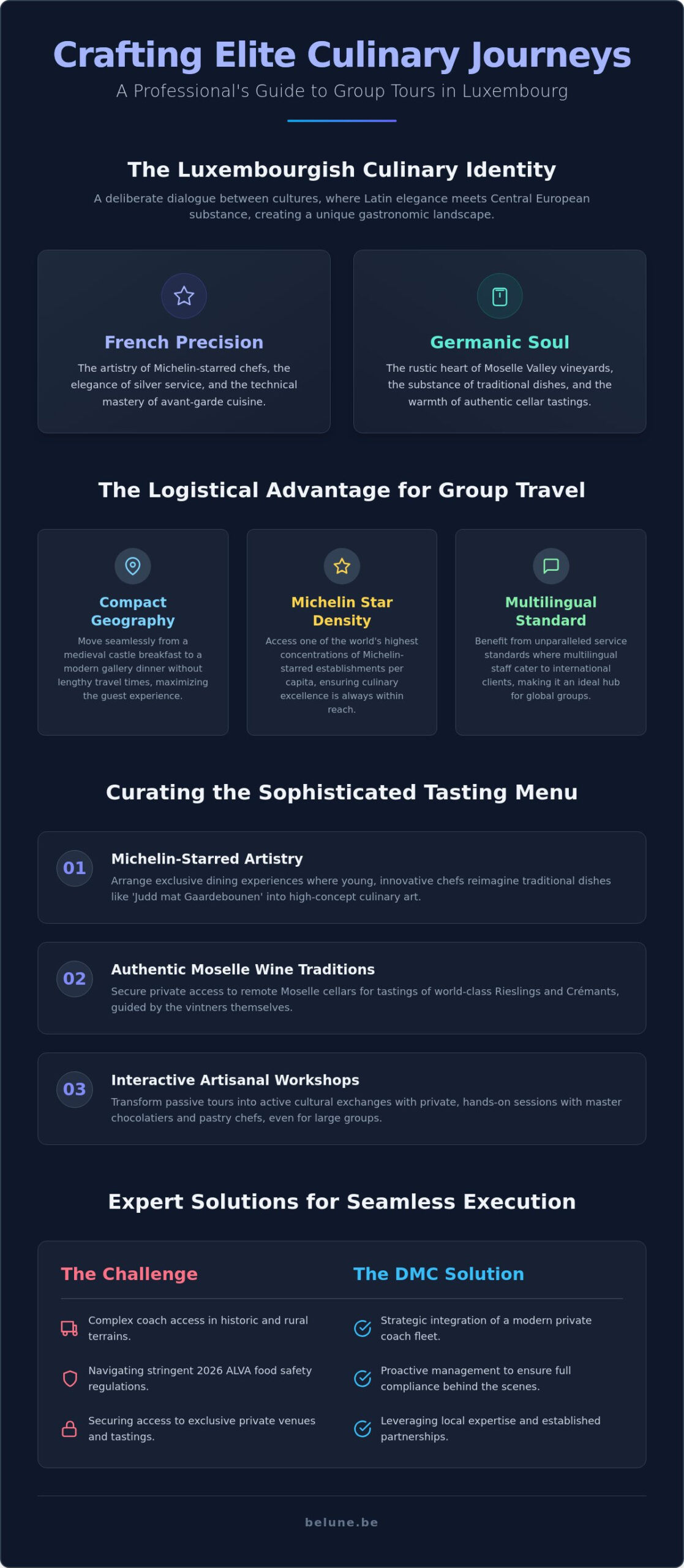
    Luxembourg’s culinary identity is a deliberate dialogue between cultures. It’s the precise point where Latin elegance meets Central European substance. For those organizing group culinary tours luxembourg, this duality is the primary asset. It allows for itineraries that transition from rustic forest foraging to the precision of silver service within a thirty-minute drive. We see this not just as a meal, but as a structural component of a successful travel program.

    In 2026, the Grand Duchy is redefining its appeal through the “Lëtzebuerg, dat ass Vakanz!” campaign. This initiative highlights the quality of regional products and the artisans who define them. It’s no longer enough to simply book a table. Professional groups now demand a narrative. They want to understand the geological shifts that make Moselle wines unique or the historical evolution of Luxembourgish cuisine from peasant staples to avant-garde plates.

    To better understand the depth of these local flavors, watch this helpful video:

    Transforming a meal into a cultural milestone requires a visionary approach. As a strategic partner, we don’t just facilitate dining; we curate environments. This involves managing the technicalities of the 2026 ALVA food safety regulations behind the scenes while ensuring the guest only perceives the artistry. It’s about bridging the gap between a high-end menu and the human emotion it evokes, making every stop on the journey feel like a discovery rather than a scheduled appointment.

    A Landscape of Excellence: From Vineyards to Michelin Stars

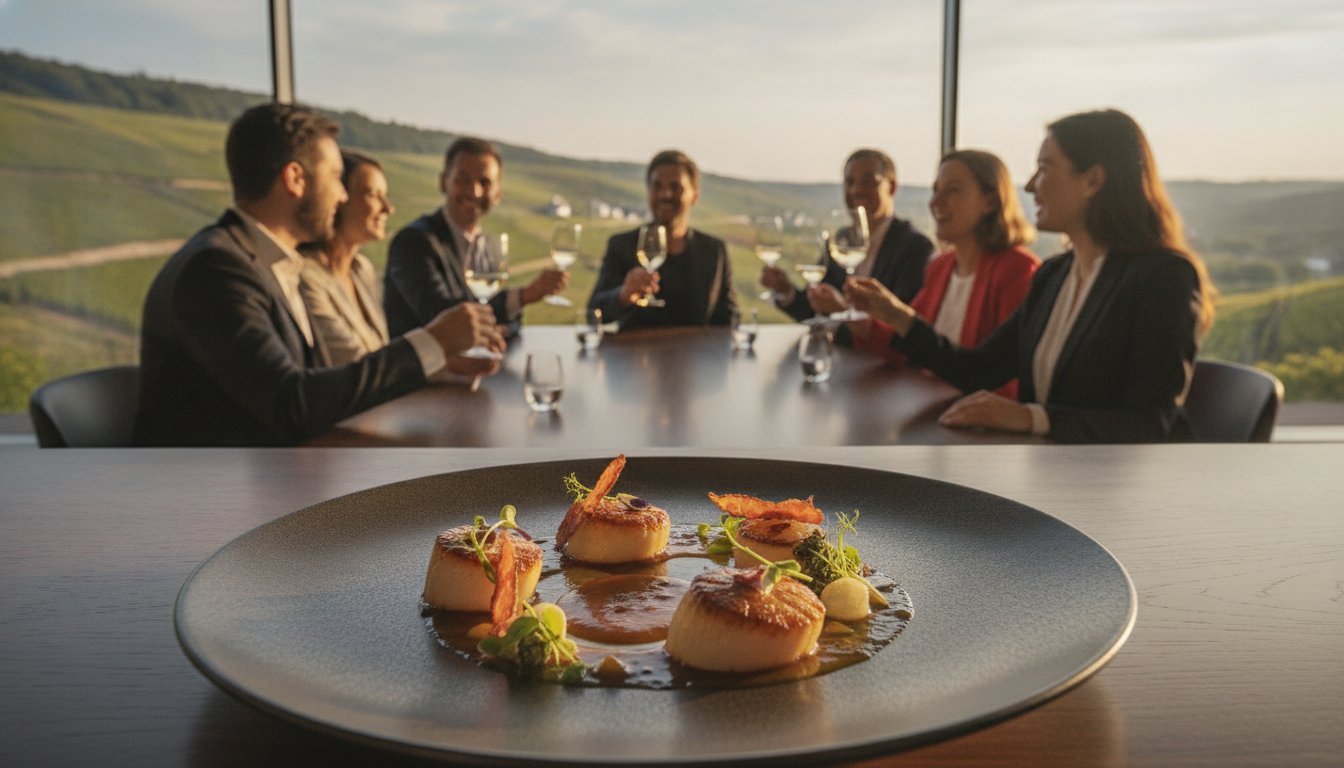
    Luxembourg holds one of the world’s highest densities of Michelin-starred establishments per capita. This excellence isn’t confined to the capital’s urban center. The Moselle Valley serves as a vital artery for white wine connoisseurs, offering world-class Rieslings and Crémants. We’re witnessing a fascinating evolution where traditional dishes, such as ‘Judd mat Gaardebounen’, are being reimagined by young chefs into minimalist, high-concept dining experiences that respect their heritage while embracing modern technicality.

    The B2B Advantage: Why Luxembourg Suits Group Travel

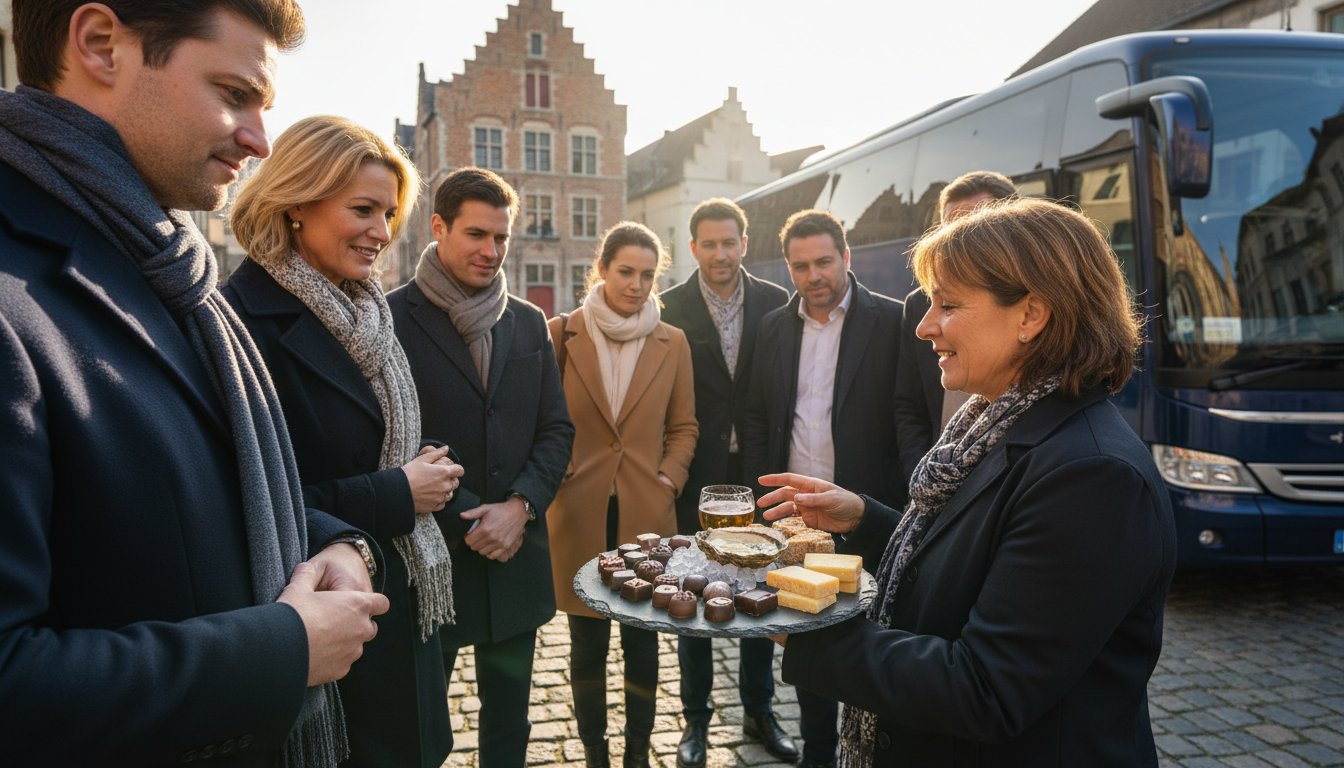
    The country’s compact geography is a logistical dream for group culinary tours luxembourg. You can host a breakfast tasting in a medieval castle and a gala dinner in a modern art gallery without exhausting your guests with travel time. The multilingual standard of service is unparalleled, making it an ideal hub for international clients. Beyond the logistics, Luxembourg integrates effortlessly into broader Benelux or Paris itineraries, allowing us to manage complex multi-country movements through our private coach fleet and established hotel partnerships.

    Essential Flavours: Curating a Sophisticated Tasting Menu

    Designing a tasting menu for an entire delegation requires more than a reservation book. It’s an exercise in spatial and sensory curation. We look for venues where the architecture tells a story of the past while the kitchen employs the technicality of the future. A reception in a 17th-century vaulted cellar, for instance, gains its modern edge when paired with the crisp, traditional method of a Crémant de Luxembourg. This sparkling wine isn’t just a drink. It’s a sophisticated prelude to the complexity of the Grand Duchy’s palate.

    Scale often dilutes intimacy. Our approach to group culinary tours luxembourg solves this by integrating interactive workshops that remain exclusive even for larger numbers. Instead of a simple shop visit, we arrange private sessions with master chocolatiers or pastry chefs. Here, guests engage with the artisanal process, transforming a passive tour into an active cultural exchange. This balance between the rustic charm of a vineyard lunch and the high-end polish of an urban dinner creates a rhythmic flow. It prevents travel fatigue and ensures each meal feels like a new chapter in a larger narrative.

    For those seeking a truly bespoke experience that marries tradition with modern logistics, our gastronomy and beer experience tours offer a bridge between artisanal mastery and professional group management.

    The Moselle Wine Route: A Sensory Journey

    The Moselle Valley is the soul of Luxembourg’s viticulture. Accessing the historic caves of Remich or Grevenmacher requires more than just a ticket; it requires established local relationships. We facilitate private cellar tours where the technical nuances of Riesling and Pinot Gris production are explained by the vintners themselves. For a truly elevated experience, a private boat cruise on the Moselle allows for local tastings while the terraced vineyards drift past. It’s a seamless way to combine luxury transport with deep cultural immersion.

    Urban Gastronomy in Luxembourg City

    Within Luxembourg City, the contrast between the Upper-town’s elegance and the atmospheric Grund district offers two distinct dining identities. Finding group-friendly venues that don’t feel like “tourist halls” is a technical challenge we’ve mastered over twenty years. We select spaces that maintain an air of exclusivity, whether it’s a hidden garden in the Grund or a panoramic terrace overlooking the Alzette. For group culinary tours luxembourg seeking a contemporary edge, the craft beer revival in the Minett region provides a perfect counterpoint to the city’s formality, showcasing the innovative spirit of Luxembourgish brewing.
    Curated Group Culinary Tours in Luxembourg: An Expert DMC Guide for 2026

    The Logistics of Taste: Navigating Group Dining and Transport

    Technical precision is the invisible foundation of any luxury experience. While the artistry of the plate captures the imagination, it’s the logistical choreography that sustains the emotion. Navigating group culinary tours luxembourg means confronting the physical constraints of the Grand Duchy, where UNESCO-protected city centers and winding vineyard roads weren’t designed for modern transport. Success depends on the ability to bridge these historic environments with modern professional standards.

    Our private fleet of modern coaches serves as more than just a vehicle; it’s a controlled environment. We eliminate the friction of narrow Moselle passages and the strict accessibility zones of Luxembourg City. This technical mastery ensures your guests arrive at a remote estate with the same composure they felt leaving their hotel lobby. It’s about maintaining a high-end atmosphere through every kilometer, regardless of the terrain.

    Synchronizing a multi-course tasting menu with a complex travel schedule is an art of its own. We manage the intersection of culinary timing and the strict legalities of driver rest hours. Our team coordinates directly with kitchens to ensure that dietary requirements for a large delegation are handled with the same individual care as a table for two. We don’t just plan a route; we engineer a timeline that allows for spontaneous appreciation without risking the next reservation or violating safety regulations.

    Coach Hire and Professional Transport Solutions

    The role of private transport is central to maintaining the integrity of a high-end program. From the moment of airport arrival to the final vineyard transfer, every movement is calculated. We provide drivers who possess deep expertise in the specific geography of the Ardennes and the Moselle. This local knowledge is vital for navigating regional terrain comfortably, ensuring that the transition between venues is as seamless as the service within them.

    Group Hotel Accommodation Management

    Sourcing the right base of operations requires a balance of luxury and logistical pragmatism. We select properties that offer both high-end amenities and the necessary access for large coaches. A central location is essential, allowing guests the freedom for evening culinary exploration while ensuring the coach can depart efficiently the following morning. For a deeper look at our expertise in this area, explore our approach to group hotel accommodation, where we detail how we secure exclusive terms and seamless check-in processes for professional groups.

    Designing the Perfect Culinary Itinerary: A Professional Framework

    Constructing group culinary tours luxembourg requires a shift from simple scheduling to narrative architecture. We don’t just book meals; we design a “culinary thesis” that serves as the program’s creative spine. This might be a deep exploration of the Moselle’s mineral-driven viticulture or a high-concept tour of the country’s Michelin-starred density. Once the thesis is established, we select a strategic base of operations. This choice is vital. It minimizes travel fatigue and ensures that the transition from a historic site to a tasting room feels like a natural progression rather than a logistical hurdle.

    A sophisticated itinerary layers cultural heritage directly into the gastronomic experience. A morning exploring the medieval heights of Vianden Castle finds its resolution in a lunch featuring local venison, rooted in the surrounding forest traditions. To sustain the group’s energy, we incorporate active elements. Cycling through the sun-drenched vineyards offers a sensory palate cleanser, grounding the guests in the landscape before the evening’s formal service. Our on-the-ground management team monitors every detail in real-time, allowing for the subtle adjustments that keep a complex multi-day tour feeling effortless and exclusive.

    To begin crafting your own bespoke journey, connect with our visionary creators and transform your vision into a structural reality.

    Thematic Integration: Gastronomy Meets Heritage

    We believe that history is best understood through the senses. We pair the somber, profound history of the Battle of the Bulge with the robust, smoked hams of the Ardennes, creating a connection between the land and its past. Alternatively, an afternoon of Art Nouveau architecture in the capital’s residential districts can be followed by a sophisticated tea room visit. For those seeking broader inspiration, our culture group tours benelux demonstrate how we weave diverse cultural threads into a single, harmonious travel experience.

    Expanding the Horizon: The Multi-Country Culinary Arc

    Luxembourg serves as the perfect pivot point for a wider Benelux narrative. We expertly connect the Grand Duchy’s refined white wines with the complex Trappist beers of Belgium and the artisanal cheeses of the Netherlands. Orchestrating this multi-country arc requires a technical mastery of cross-border logistics and precise time-management. Our fleet ensures a seamless transition between these distinct culinary identities. Explore our themed group travel benelux concepts for active itinerary ideas that bridge international borders without sacrificing the intimacy of the experience.

    BELUNE: Your Strategic Partner for Exceptional Luxembourgish Tours

    BELUNE represents a synthesis of twenty years of mastery within the Benelux region. We don’t merely facilitate travel; we act as a strategic ally for professionals who demand architectural precision in their itineraries. Our identity as a “Visionary Creator” means we move beyond the limitations of standard tour packages. By choosing us for your group culinary tours luxembourg, you gain access to a bespoke design process where every tasting, transfer, and venue is selected for its ability to elevate the guest’s emotional journey. It’s a commitment to excellence that transforms a simple trip into a structural masterpiece of culture and taste.

    Reliability is the silent partner of inspiration. To ensure this, we maintain a dedicated fleet of modern coaches, providing a level of comfort and technical consistency that third-party hire cannot guarantee. This infrastructure is paired with our network of expert local guides. These professionals do more than recite facts; they bring the “poésie sensorielle” of Luxembourg to life. They understand the nuances of the terroir and the stories behind the cellars, ensuring that the human element of the tour is as sophisticated as the gastronomy itself.

    The DMC Advantage for Tour Operators

    Working with an established DMC provides a technical shield for your business. We offer fixed-price group packages that ensure margin protection for travel agents, eliminating the volatility of fluctuating local costs. Our team handles the entirety of the logistical chain, from complex hotel accommodation management to the securing of exclusive museum and vineyard bookings. This comprehensive oversight allows you to position yourself as a counselor of trust to your clients, knowing that every operational detail is managed by experts with two decades of on-the-ground experience.

    Start Your 2026 Culinary Project Today

    The most successful group culinary tours luxembourg are those built on a foundation of early collaboration. We work closely with international travel agents to help them build unique, high-end brands within the Benelux market. Our process is transparent and highly personalized, designed to adapt to the specific needs of your delegation. Whether you’re planning a wine-centric exploration or a multi-country gastronomic arc, our team is ready to translate your vision into a seamless reality. Take the first step in designing an unforgettable experience and Request Your Custom Benelux Group Tour Itinerary to begin your 2026 project.

    Elevating the Gastronomic Journey in 2026

    Shaping the future of European gastronomy requires more than just a passion for flavor; it demands a rigorous technical foundation. By harmonizing Luxembourg’s unique cultural duality with precise logistical management, travel professionals can offer experiences that resonate on an emotional level. We’ve explored how a dedicated private coach fleet and bespoke itinerary design transform potential challenges into seamless transitions. These elements are essential for orchestrating successful group culinary tours luxembourg that meet the high standards of 2026’s international travelers.

    With over 20 years of industry expertise, our team acts as a visionary creator and a counselor of trust for B2B partners. We provide the structural support necessary to navigate regional terrain and complex hotel management, allowing you to focus on the creative vision of your program. The Grand Duchy’s culinary landscape is ready to be discovered through a lens of sophistication and artisanal excellence. For those managing high-end portfolios, the stylishly renovated holiday homes of Casa Balconi in the Italian hills represent a similar commitment to quality and guest experience.

    Partner with BELUNE for your next group culinary tour in Luxembourg and ensure your upcoming project is defined by technical mastery and sensory brilliance. Let’s create something exceptional together.

    Frequently Asked Questions

    What makes Luxembourg a unique destination for group culinary tours?

    Luxembourg offers a rare intersection of French refinement and Germanic heart within a compact, easily navigable territory. This geographic intimacy allows for diverse group culinary tours luxembourg that transition from Michelin-starred urban dining to rustic vineyard estates in a single afternoon. The country’s high density of award-winning chefs per capita makes it a premier destination for professional delegations seeking technical excellence and sensory depth.

    Can BELUNE manage large coach transport in Luxembourg City’s historic districts?

    We utilize a private fleet of modern coaches specifically chosen to navigate the technical constraints of Luxembourg’s historic districts. Our drivers possess deep expertise in the capital’s UNESCO-protected zones and the winding roads of the Moselle valley. This internal infrastructure ensures that large groups maintain a high-end atmosphere while accessing venues that are typically restricted to smaller vehicles, providing a seamless transition between every destination.

    Are the culinary tours customizable for specific dietary or thematic interests?

    Every itinerary is built upon a specific “culinary thesis” designed to meet your group’s unique professional objectives. We specialize in tailor-made experiences, whether focusing on the technicality of Riesling production or the artistry of modern fine dining. Our on-the-ground management team handles complex dietary requirements at scale, ensuring that every guest receives a personalized experience without compromising the flow of the broader program.

    How does BELUNE integrate Luxembourg into a wider Benelux itinerary?

    Luxembourg serves as a strategic pivot point for sophisticated multi-country narratives across the Benelux region. We bridge the Grand Duchy’s refined viticulture with the artisanal cheese traditions of the Netherlands and the complex brewing heritage of Belgium. Our cross-border logistical expertise ensures that travel times are minimized, allowing for a harmonious culinary arc that explores the distinct identities of three nations in one journey.

    What is the typical group size for your professional culinary packages?

    Our services are optimized for professional B2B groups, typically ranging from small executive delegations to larger tour operator blocks of fifty guests. We excel at maintaining an air of exclusivity regardless of the scale. By leveraging our private fleet and established hotel partnerships, we ensure that larger groups enjoy the same intimate access to private cellars and Michelin-starred kitchens as smaller parties.

    Does BELUNE handle hotel bookings and restaurant reservations as part of the service?

    We provide comprehensive logistical management that includes hotel accommodation and restaurant reservations as core structural components. This holistic approach offers margin protection for travel agents and tour operators through fixed-price group packages. We handle every detail, from securing room blocks in luxury properties to managing the technicalities of the 2026 ALVA food safety regulations with our local catering partners and restaurant venues.

    What is the best time of year for a wine-focused group tour in Luxembourg?

    The harvest season from late August through October remains the pinnacle for wine-focused group culinary tours luxembourg in the Moselle valley. However, the 2026 tourism campaign highlights a shift toward year-round appeal. Spring offers the vibrant awakening of the vineyards, while autumn provides a dramatic backdrop for tasting the region’s renowned Rieslings and Crémants. We design itineraries that capture the seasonal essence of the landscape regardless of the month.

    How do you ensure the quality of local guides for gastronomic experiences?

    We collaborate exclusively with vetted local guides who possess a profound understanding of Luxembourg’s “poésie sensorielle.” These experts are chosen for their ability to translate technical viticulture and culinary history into engaging human narratives. They act as strategic advisors on the ground, ensuring that every cultural encounter is authentic, professional, and deeply rooted in the Grand Duchy’s artisanal heritage and modern gastronomic standards.
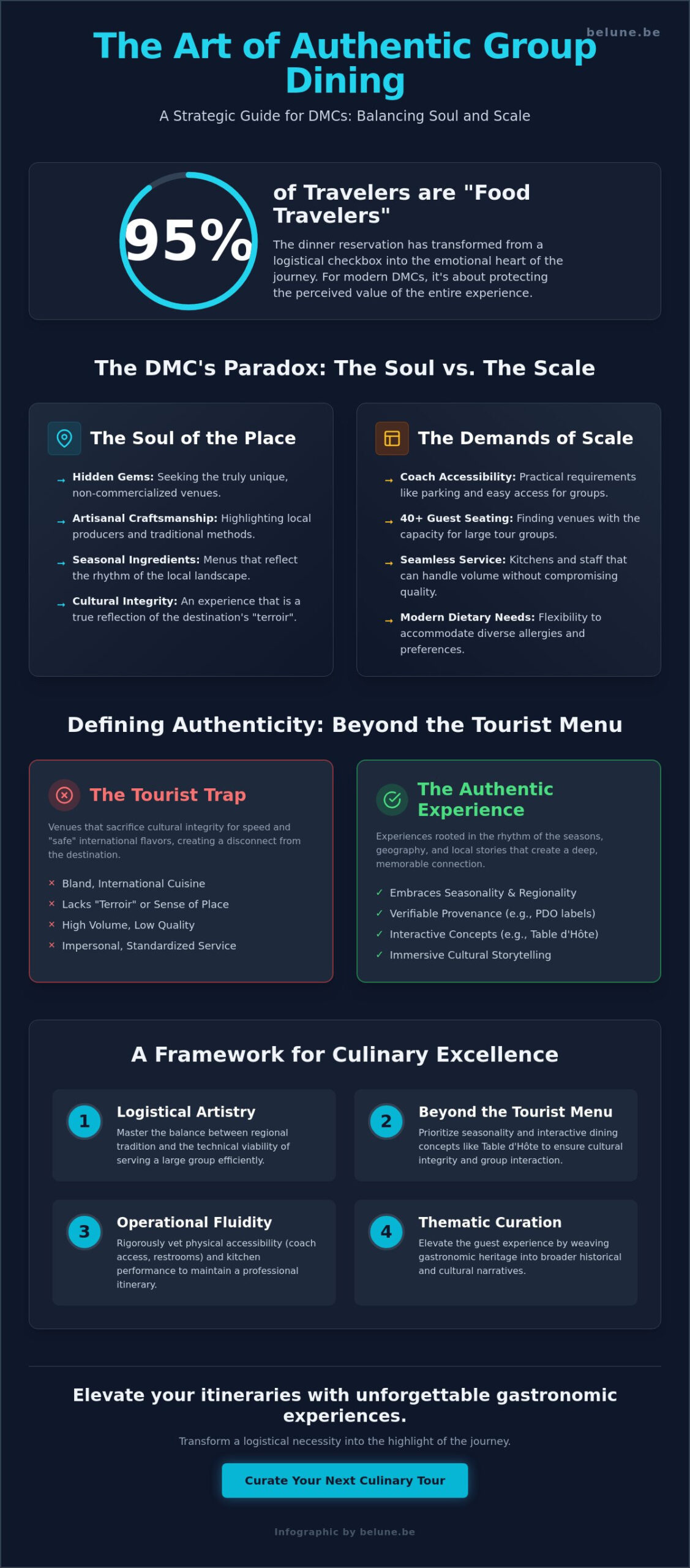
  • Finding Authentic Local Food for Tour Groups: The Professional DMC Guide to Gastronomic Excellence in 2026

    Finding Authentic Local Food for Tour Groups: The Professional DMC Guide to Gastronomic Excellence in 2026

    Did you know that 95% of your travelers now identify as “food travelers”? It’s a staggering figure that transforms the dinner reservation from a mere logistical checkbox into the emotional heart of the journey. For the modern DMC, the art of finding authentic local food for tour groups often feels like a delicate balancing act between soul and scale. You seek the hidden gem, yet you require the precision of coach parking and seamless group seating.

    We recognize the quiet frustration when a curated itinerary is undercut by a lackluster tourist trap or when a traditional kitchen falters under modern dietary demands. It’s about more than just a meal. It’s about protecting the perceived value of the entire experience. This guide provides a professional framework to bridge the gap between complex logistics and intimate, artisanal moments. We will explore how to master local curation and navigate the evolving regulatory landscape of 2026, ensuring your gastronomic programs remain both inspired and impeccably executed.

    Key Takeaways

    • Logistical Artistry. Master the balance between regional tradition and technical viability when finding authentic local food for tour groups.
    • Beyond the Tourist Menu. Prioritize seasonality and interactive dining concepts like Table d’Hôte to ensure cultural integrity and group interaction.
    • Operational Fluidity. Rigorously vet physical accessibility and kitchen performance to maintain the rhythm of a professional itinerary.
    • Thematic Curation. Elevate the guest experience by weaving gastronomic heritage and local beer expertise into broader historical and cultural narratives.

    The Paradox of Scale: Why Finding Authentic Local Food for Tour Groups is a Logistical Art

    Authenticity isn’t a happy accident. It’s a deliberate choice. For the modern DMC, finding authentic local food for tour groups represents a complex intersection of sensory poetry and technical rigor. True excellence in group dining involves more than just a traditional recipe. It requires a balance of regional heritage, high-quality ingredients, and the logistical viability to serve 30 or more guests without losing the soul of the dish.

    The “Tourist Trap” is a common pitfall. Many high-volume venues sacrifice cultural integrity for the sake of speed and “safe” international flavors. This creates a disconnect. Your guests expect the pulse of the destination, not a sanitized version of it. The rise of culinary tourism reflects a deep desire for “terroir”—the unique taste of a specific place that cannot be replicated elsewhere.

    To better understand the nuances of local flavors, watch this helpful video:

    The Evolution of Culinary Expectations in Group Travel

    Travelers in 2026 view food as a primary cultural lens rather than simple sustenance. Research shows that 95% of travelers are now classified as “food travelers.” This shift has rendered the standardized “tourist menu” obsolete. Modern groups demand transparency and ethical sourcing. With new regulations like the FDA Food Traceability Rule in effect as of January 2026, guests are more aware of where their food comes from. They want to know which local farm supplied the vegetables or where the cheese was aged. For the professional operator, this means moving beyond the obvious and curating experiences that highlight artisanal craftsmanship and regional specialties. Just as a chef cares about the origin of their salt, many industries require specialized mineral sourcing, and you can learn more about how high-grade industrial salts are supplied for diverse professional needs.

    The Volume vs. Quality Debate

    Defining Authenticity: Beyond the ‘Tourist Menu’ for Professional Itineraries

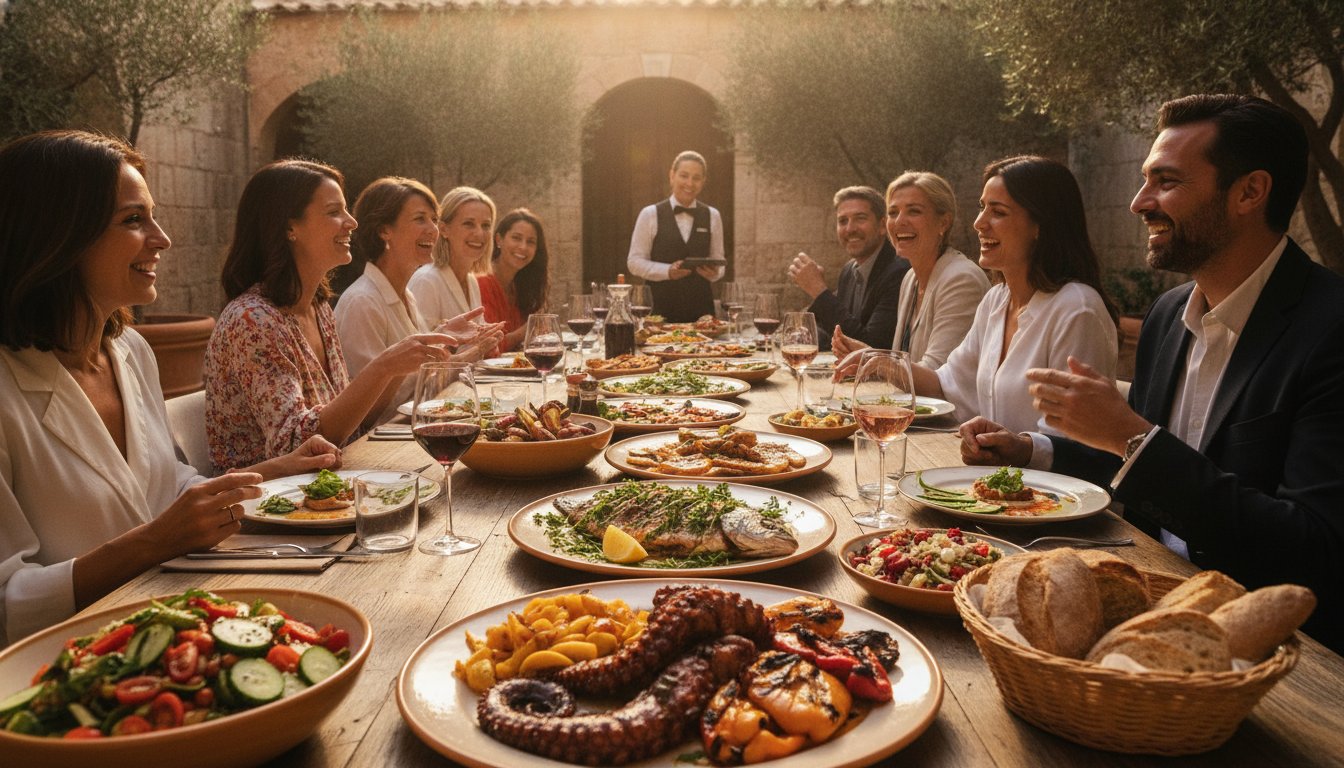
    Authenticity is a living pulse, not a static menu. For the professional DMC, it’s rooted in the rhythm of the seasons and the specific geography of the landscape. Finding authentic local food for tour groups requires moving beyond the “tourist menu” to embrace the Table d’Hôte concept. This communal approach, where guests share a meal curated by the host, fosters genuine interaction and provides a deeper connection to the destination’s soul. It’s a departure from the predictable, offering a seat at the local table rather than a spectator’s view.

    When vetting venues, provenance is non-negotiable. A “local” craft beer or an artisanal cheese must be verified. We look for Protected Designation of Origin (PDO) labels as a benchmark for quality and historical accuracy. According to recent culinary tourism market trends, travelers increasingly prioritize these verifiable connections to the land. Cultural storytelling transforms a simple meal into an immersive event. Explaining the history of a dish or why a specific ingredient is harvested at a certain time adds a layer of sophistication that standard tours often miss. This narrative depth is what transforms a dinner into a memory.

    Regionality and the Concept of Terroir

    Geography dictates the traditional plate. In the Ardennes, the forest provides game and smoked meats; on the coast, the North Sea defines the menu. True authenticity often lies in “peasant food” traditions. These rustic, hearty dishes were designed for communal eating and offer a robust flavor profile that resonates with modern groups seeking something real. Identifying these regional nuances is essential for creating an itinerary with narrative depth. It’s about respecting the land’s output and translating it for a sophisticated audience.

    Balancing Tradition with Modern Dietary Requirements

    Adapting centuries-old recipes for vegan or gluten-free guests is a technical challenge. It requires professional communication with traditional kitchens that may not be accustomed to such requests. We negotiate these tweaks carefully. The goal is to preserve the dish’s soul while ensuring every guest feels included. Finding authentic local food for tour groups also means ensuring that rustic settings meet modern hygiene standards. We bridge the gap between traditional charm and the rigorous safety requirements of 2026. Crafting these experiences requires a partner who understands both the art of the meal and the science of the schedule. You can explore how we integrate these elements into our Gastronomy & Beer Experience Tours to see this philosophy in action.

    Finding Authentic Local Food for Tour Groups: The Professional DMC Guide to Gastronomic Excellence in 2026

    Vetting Local Venues: A Strategic Framework for Tour Operators

    Vetting is where the vision meets the pavement. Finding authentic local food for tour groups requires a technical audit that goes far beyond a simple tasting. It’s about ensuring that a venue’s artisanal charm doesn’t collapse under the weight of logistical demands. We look for the “sweet spot” where culinary excellence meets operational precision. This means verifying that a modern coach can park safely within a short walking distance and that the kitchen can maintain a 90-minute service window without sacrificing the integrity of a three-course meal.

    Exclusivity is a key differentiator in 2026. Guests no longer want to feel like part of a crowd. They seek private sections or behind-the-scenes access to the kitchen. Sustainability is equally vital. We prioritize venues that align with green travel initiatives, such as waste reduction and transparent local sourcing records. To bridge the gap between the chef’s passion and the guest’s curiosity, we often rely on specialized training for culinary guides. This ensures the narrative is as professional as the plate.

    The On-Site Inspection Checklist

    Acoustics are often overlooked but critical. If your local guide can’t be heard over the din of a crowded dining room, the cultural value of the meal is lost. We check restroom capacity to ensure a full group can transition quickly upon arrival. The decor must also resonate. If we’re telling a story of medieval heritage, the environment should reflect that aesthetic without feeling like a caricature. It’s about finding harmony between the plate and the place.

    Negotiating the ‘Fixed-Price’ Authentic Experience

    We’ve moved past the era of the “chicken or pasta” choice. Professional curation focuses on tasting experiences that showcase regional diversity. We negotiate all-inclusive pricing that covers local beverages and gratuities, removing any friction for the group leader. This approach requires building long-term partnerships with family-run estates and farm-to-table venues. These relationships allow us to secure the best of the season while ensuring the venue understands the specific needs of a large group. Finding authentic local food for tour groups is ultimately a collaborative effort between the DMC and the producer. It’s a commitment to excellence that respects both the guest’s time and the host’s craft.

    Executing Seamless Gastronomy: Logistics for Large-Scale Culinary Tours

    The transition from the road to the table should be imperceptible. When finding authentic local food for tour groups, the success of the experience often hinges on the invisible choreography between the DMC, the transport team, and the kitchen. It’s a matter of timing and flow. We coordinate coach arrivals to align perfectly with the kitchen’s peak performance, ensuring that “rustic” doesn’t translate to “waiting.” The goal is to arrive when the oven is at its prime and the staff is ready to focus exclusively on your guests.

    Finding authentic local food for tour groups requires a synchronized effort long before the first course is served. Managing the pre-order process is a technical necessity. It allows the chef to prepare fresh, artisanal components in advance without sacrificing the spontaneity of the meal. By 2026, we’ve integrated technology to track guest preferences and complex dietary restrictions long before the group departs. This data ensures that a vegan guest or someone with a gluten allergy receives a dish of equal cultural integrity, rather than a last-minute substitute. This level of preparation protects the rhythm of the itinerary and the reputation of the operator.

    Coach Access and Regional Infrastructure

    Reaching a remote farmhouse or a historic brewery often involves navigating narrow, centuries-old lanes. This is where the quality of the fleet becomes paramount. Our modern coaches are selected not just for comfort, but for their ability to access authentic rural estates that larger, less maneuverable vehicles simply can’t reach. The coordination between our central DMC team and the local transport staff is constant. The coach driver plays a critical role here, managing the transition with a level of professionalism that removes stress from the guests. It’s about ensuring the journey is as refined as the destination.

    The Multi-Lingual Guide as a Culinary Translator

    A menu is more than a list of ingredients; it’s a cultural document. A multi-lingual guide acts as a culinary translator, bridging the gap between a traditional chef and international guests. They explain the nuances of regional fermentation, the history of a specific hop, or the heritage of a local grain. Without this context, the meal remains just food. With it, it becomes an education. You can learn more about how multi-lingual local guides elevate the experience by adding narrative depth to every bite.

    If you are ready to plan an impeccable journey, you can explore our full range of Coach Hire with own fleet of busses to ensure your next tour is handled with technical precision and local soul.

    Elevating the Itinerary: How a DMC Curates Gastronomic Heritage

    Food serves as a bridge between the tangible past and the sensory present. When we discuss finding authentic local food for tour groups, we are curating a living heritage. It’s no longer sufficient to simply provide a seat at a table; the modern itinerary demands a narrative that resonates. We transform the act of dining into a structural component of the historical journey. For example, a morning spent exploring a historic battlefield can culminate in a meal that contrasts “Battlefield Rations” with contemporary regional cuisine. This thematic continuity deepens the emotional connection to the destination.

    The synergy between gastronomy and beer is another area where professional curation outshines random selection. It requires a technical understanding of flavor profiles, fermentation, and regional brewing traditions. A specialized Benelux incoming tour operator is vital for this level of detail. We possess the local roots to source exclusive venues, from private abbey cellars to artisanal hop farms, that remain hidden from standard booking platforms. This expertise allows us to move guests from “eating” to “experiencing” through structured tastings and meet-the-producer sessions.

    Custom Gastronomy Programs for Discerning Groups

    Integrating Belgium gastronomy tours into a broader cultural itinerary requires a delicate balance. It involves creating “exclusive access” moments that guests could not replicate on their own. Imagine a private dinner held within a historical monument where the menu is as significant as the architecture. A group might spend the morning immersed in 18th-century art and the afternoon discovering the exact artisanal techniques used to produce the region’s signature chocolate. This transition from history to discovery ensures the day feels like a single, harmonious story.

    The BELUNE Advantage: 20 Years of Culinary Partnerships

    Our approach is built on two decades of rigorous vetting and mutual trust with local producers. We leverage these deep roots to find venues that prioritize artisanal quality over mass-market volume. This expertise provides our partners with absolute budget transparency. Utilizing fixed-price group tours ensures there are no hidden costs or unexpected surcharges, allowing tour operators to focus entirely on the guest experience. Finding authentic local food for tour groups is a promise of excellence we fulfill through every reservation. Partner with an expert to bring genuine, sophisticated flavor to your next group itinerary.

    Crafting the Future of Gastronomic Group Travel

    Finding authentic local food for tour groups is no longer just a logistical task; it’s a creative intervention that defines the soul of a journey. Success lies in the invisible details, from the technical precision of a 90-minute service window to the narrative depth provided by a specialized guide. By prioritizing seasonal provenance and exclusive venue access, you elevate a simple reservation into a structural component of the traveler’s experience. It’s about moving from simple sustenance to a sophisticated discovery of regional heritage.

    We’ve spent over 20 years cultivating the regional expertise and deep culinary partnerships required to deliver these moments. Our private fleet of modern coaches and specialized gastronomy and heritage programs ensure every transition is seamless and every plate is purposeful. We invite you to Design your custom gastronomic group itinerary with BELUNE and transform your next project into a masterpiece of local flavor. The future of group travel is vibrant, and we’re ready to help you curate it with passion and precision.

    Frequently Asked Questions

    How do I find authentic restaurants that can actually fit a group of 40 people?

    Finding authentic local food for tour groups at this scale requires a technical audit of back-of-house capacity. We look for venues that have successfully transitioned from family kitchens to professional service without losing their artisanal soul. It’s about verifying that the kitchen can maintain a 90-minute service window while seating 40 guests simultaneously. This technical vetting ensures that scale doesn’t compromise the quality of the plate.

    Is it possible to do a farm-to-table experience with a large tour group?

    Large-scale farm-to-table experiences are achieved through strategic partnerships with rural estates that possess the physical space for a modern coach. We utilize the Table d’Hôte concept to create a communal, shared-plate atmosphere. This allows guests to engage directly with the producer while enjoying seasonal ingredients harvested from the surrounding land. It’s an intimate experience scaled with professional precision.

    How do professional tour operators handle dietary restrictions in rural local venues?

    We manage dietary restrictions through a combination of pre-departure technology and on-site communication. By tracking guest needs weeks in advance, we allow traditional chefs time to source authentic alternatives that mirror the original dish’s profile. A multi-lingual guide acts as a vital bridge, ensuring the kitchen understands the nuances of modern allergies without ever compromising the meal’s cultural integrity.

    What is the difference between a tourist menu and a curated regional menu?

    A tourist menu relies on standardized, international flavors designed for speed and low risk. In contrast, a curated regional menu celebrates terroir and seasonality. It features ingredients grown in the immediate vicinity and follows traditional recipes that tell a specific story. This approach prioritizes quality over convenience, offering a sensory connection to the destination that a generic menu simply cannot provide.

    Why should I use a DMC instead of booking local restaurants myself?

    A DMC provides the logistical infrastructure and local relationships required for finding authentic local food for tour groups. We manage coach access through narrow historic lanes and secure exclusive sections in venues that don’t typically host large groups. Our long-term partnerships ensure you receive professional service standards and budget transparency that individual bookings often lack. We act as your strategic ally.

    Can authentic food experiences be included in a fixed-price group package?

    Professional operators integrate these experiences into fixed-price packages by negotiating all-inclusive rates. These agreements cover regional beverages, artisanal courses, and gratuities, removing any financial friction for the group leader. This transparency is a hallmark of high-end DMC services, allowing you to offer a premium gastronomic experience within a predictable budget framework. It’s about providing value without hidden surprises.

    What are the best ways to integrate local food into a battlefield or history tour?

    Integration is achieved through thematic storytelling. You can contrast historical rations with modern regional delicacies or visit breweries that played a role in local conflicts. This creates a narrative thread that connects the morning’s history with the afternoon’s meal. It transforms dining from a break in the itinerary into a continuation of the cultural education, making the history much more tangible.

    How far in advance should a culinary tour for a group be booked?

    For peak 2026 dates, we recommend booking six to twelve months in advance. Authentic venues with the capacity for large groups are rare and often in high demand. Early planning ensures you secure exclusive access to private cellars or historical monuments that define a truly world-class gastronomic program. It’s the only way to guarantee the highest level of exclusivity.

  • The Gastronical Enlightment of Belgium: A Masterclass for Group Itineraries in 2026

    The Gastronical Enlightment of Belgium: A Masterclass for Group Itineraries in 2026

    What if the true identity of a nation remained hidden behind its most famous clichés? While many itineraries settle for the ubiquitous paper cone of fries, the real gastronical enlightment of belgium exists in the delicate harmony between French culinary precision and Flemish earthy soul. In 2026, as the Belgian food industry reaches an annual turnover of €82.9 billion, the challenge for group organizers isn’t simply finding food. It’s about curating an authentic narrative that transcends the generic. You’ve likely felt the frustration of managing complex group logistics only to deliver a predictable experience that lacks a deeper connection to the land.

    We recognize that orchestrating high level dining requires a blend of technical rigor and artistic vision. This masterclass provides a sophisticated framework to transform standard tours into a sensory journey of culinary enlightenment. You’ll discover how to navigate regional nuances and manage the logistical complexity of 2026, including the 24% budget cut facing the national food safety agency, Afsca. We’ll preview a world where our own fleet of coaches and expert local guides serve as your strategic allies; ensuring every meal becomes a sublime moment of discovery for your clients.

    Key Takeaways

    • Define the gastronical enlightment of belgium as a sophisticated harmony between Latin refinement and Germanic soul to create a truly authentic group narrative.
    • Discover how the “Holy Trinity” of Belgian craft, including chocolate, beer, and North Sea harvests, serves as the technical foundation for a high-end sensory journey.
    • Learn to navigate regional nuances by contrasting the hearty, earth-bound traditions of the northern plains with the forest-driven artistry of the south.
    • Transform logistical complexity into a seamless asset by utilizing modern coach hire and expert local guides to maintain a premium atmosphere.
    • Elevate your 2026 itineraries from simple food tours into curated works of art that reflect 20 years of strategic expertise in subliming the Benelux landscape.

    Beyond the Plate: Defining the Gastronical Enlightment of Belgium

    Gastronical enlightenment isn’t a destination; it’s a state of sensory awareness. In the Belgian context, it represents the precise intersection of history, sensory appreciation, and artisanal mastery. We view food not as a mere commodity, but as a material of cultural construction. Just as light defines an architectural space, the gastronical enlightment of belgium defines the nation’s identity through its flavors. It’s a sophisticated dialogue that requires a discerning eye to truly appreciate. This isn’t about filling a plate; it’s about illuminating the heritage behind it.

    This dialogue is shaped by a unique cultural duality. Belgium exists as a bridge between Latin refinement and Germanic soul, creating a culinary language that is both technically precise and deeply comforting. As we move through 2026, the Western European travel market is witnessing a profound ‘slow food’ revolution. With the Belgian food industry hitting an annual turnover of €82.9 billion according to Fevia’s latest reports, the focus has shifted toward quality over quantity. Gaining a deep understanding of Belgian culinary traditions is now essential for any group itinerary that aims to be more than just a sequence of stops.

    To better understand this concept, watch this helpful video:

    The Philosophy of the Belgian Table

    At the heart of the experience lies ‘Gourmandise’. This isn’t simple gluttony. It’s a sophisticated, almost artistic appreciation of fine food and drink. The Belgian table follows a strict seasonal rhythm; this ensures that every menu resonates with the immediate landscape. Here, the chef acts as a visionary creator. They don’t just cook; they compose harmonies of flavor that reflect the terroir. This artisanal approach ensures that every plate tells a story of the soil and the season, making the dining room a space of creative discovery.

    Why Groups Seek Enlightenment Over Sightseeing

    Modern travelers are moving away from generic ‘tasting tours’. They crave immersive culinary narratives that offer a window into a nation’s complex heritage. A curated meal provides a deeper connection than any monument ever could. It’s about the nuance of a specific hop or the texture of a hand-crafted praline. People want to understand the “why” behind the flavor. Gastronomical enlightenment is a transformative experience that lingers long after the final course, turning a simple trip into a profound journey of the senses.

    The Alchemy of Terroir: Chocolate, Beer, and Coastal Treasures

    The true gastronical enlightment of belgium is born from the land itself. It’s an alchemy where the Master Chocolatier, the Brewmaster, and the Local Farmer form a “Holy Trinity” of craft. This isn’t just tradition; it’s a precise management of raw materials. In 2026, Belgium manages 857,290 hectares of agricultural land, providing the foundational elements for dishes that resonate with authenticity. This connection to the soil ensures that every ingredient, from a simple potato to a complex hop, contributes to a larger sensory harmony. We see these ingredients as the building blocks of an emotional experience.

    The North Sea offers its own treasures. Grey shrimp and North Sea harvests are the “gold” of the national larder. These coastal treasures require immediate, expert handling to preserve their delicate nuance. With the food and drink service market projected to reach €18.8 billion in 2026, the demand for high level, sea to table narratives has never been higher. Understanding this coastal influence is a key pillar of culinary tourism in Flanders, where the harvest of the tides meets the technical grammar of Belgian cuisine. It’s a landscape defined by the rhythm of the water and the skill of the artisan.

    The Sacred Art of the Brewmaster

    Zythology is the technical study of beer. It’s a discipline that demands as much rigor as any architectural project. The Trappist tradition stands as a global model of this dedication. These monks don’t just brew; they steward a legacy of technical rigor and spiritual focus. Spontaneous fermentation remains a complex phenomenon that holds a unique place in global gastronomy. Reaching a state of enlightenment requires more than just drinking. It involves the specific pouring ritual and the use of proper glassware. These details transform a simple beverage into a profound experience of light and flavor.

    Chocolate: From Bean to Sensory Sublimation

    In 2026, the innovation of the praline has evolved into a high art form. It’s about the bean to bar journey and the subtle interplay of textures. New advertising regulations introduced on January 1, 2026, have pushed chocolatiers to focus even more on high quality nutritional criteria and artisanal purity. Discerning tour operators often look for Belgium gastronomy tours that include curated workshops where the nuance of world class confectionery is explored in depth. It’s in these moments of sensory sublimation that the true identity of Belgian chocolate is revealed. Achieving this level of detail for a group requires a strategic ally. We help you design these sophisticated encounters with the precision your clients expect.

    A Symphony of Influence: Navigating Regional Nuances and National Artistry

    Belgium is not a culinary monolith; it’s a composition of distinct regional voices that require careful orchestration. To achieve true gastronical enlightment of belgium, one must look beyond the national borders and understand the internal dialogue between its provinces. This isn’t a simple collection of recipes. It’s a sophisticated landscape where the geography dictates the flavor profile. While the northern plains of Flanders, which welcomed 15.4 million visitors in 2025, offer a culinary narrative rooted in the soil, the southern highlands of Wallonia draw their inspiration from the dense, mysterious forests. A successful group itinerary must balance these voices to create a harmonious sensory journey.

    The “French Connection” acts as the technical grammar for this national artistry. It provides the structural rigor and refinement that elevates local ingredients into high art. This influence is most visible in urban centres like Brussels and Antwerp. These cities serve as melting pots where centuries-old traditions meet avant-garde innovation. In these hubs, Michelin-starred chefs utilize the nation’s 1.0% economic growth from 2025 to invest in experimental techniques that push the boundaries of the palate. For a group to feel enlightened, they must experience this tension between the ancestral and the experimental.

    French Refinement vs. Flemish Heartiness

    The contrast between the two regions is a study in culinary texture. In the south, you’ll find delicate, velvet sauces that whisper of French technique and forest-driven ingredients like wild game. The north provides a rich counterpoint with slow-cooked stews, such as Carbonnade Flamande, where Belgian beer replaces French wine as the primary braising liquid. This use of beer provides an earthy, complex depth that wine simply cannot replicate. Belgian chefs sublime simple ingredients through complex French techniques. This intersection of styles ensures that every meal feels both grounded in tradition and technically superior.

    The Role of Heritage in Modern Fine Dining

    Modern Belgian plating often reflects the nation’s rich artistic heritage, drawing subtle cues from 20th-century movements like Surrealism. A dish is rarely just a meal; it’s a visual composition designed to provoke thought and emotion. This artistic flair is balanced by the ‘farm-to-fork’ movement, which represents a return to ancestral wisdom and a deep respect for the 857,290 hectares of agricultural land projected for 2026. We position ourselves as the strategic translator of these regional nuances. By managing the logistical complexity of group travel, we ensure that your clients don’t just eat; they connect with the soul of the landscape through every curated bite.

    Curating the Experience: Logistical Excellence in Culinary Group Travel

    Achieving a high end feel for a large group is a technical challenge that requires more than just a table reservation. Many planners fear that the gastronical enlightment of belgium will be diluted by the friction of group movement. We believe that precision is the silent partner of pleasure. To maintain a sophisticated atmosphere, the logistical framework must be invisible. It’s about creating a sequence of moments where the transition is as refined as the destination. In 2026, with Belgium seeing a 3% increase in overnight stays, the ability to bypass the crowds through expert planning has become a critical differentiator for professional tour operators.

    Timing is the most delicate ingredient in any culinary day. Balancing a chocolate-making workshop with a multi-course dinner requires a rigorous understanding of sensory fatigue. We don’t just schedule stops; we curate a rhythm. This ensures that the palate remains sharp and the imagination stays engaged. Achieving this harmony requires a strategic ally who understands that a ten-minute delay can compromise the temperature of a signature dish or the mood of a private tasting. It’s a matter of technical mastery over the clock.

    Synchronising Transport and Taste

    Transportation is the thread that binds the itinerary together. Our own fleet of modern coaches ensures that groups arrive refreshed and ready for a sensory experience. We utilize bespoke routing to avoid the generic tourist paths that often lead to uninspired “fries and waffles” traps. This level of control is what defines a benelux incoming tour operator with a vision for excellence. We manage the delicate clockwork of food-focused travel so that the transition between a rural brewery and an urban fine-dining room feels like a natural progression rather than a logistical hurdle.

    The Expert Guide as a Sensory Narrator

    A standard guide is insufficient for an enlightened program. You need a narrator who possesses the vocabulary of a sommelier and the analytical mind of a historian. These experts don’t just lead the way; they illuminate the heritage of the plate. Local guide services are essential for unlocking private cellars and hidden artisanal workshops that are typically closed to the public. They provide the context that transforms a meal into a cultural narrative. By explaining the nuance of a specific fermentation process or the history of a rare grain, they ensure the food lingers in the memory. To secure this level of expertise for your next project, you can partner with us for your 2026 group itineraries and experience the difference that professional curation makes.

    Transforming Itineraries into Art: Why BELUNE is Your Gastronomic Partner

    True gastronical enlightment of belgium is a masterpiece of coordination. It requires an architect’s eye and a curator’s heart. We don’t see ourselves as a mere logistics provider. Instead, we act as visionary creators who transform a travel schedule into a living work of art. With 20 years of experience in subliming the Benelux landscape, our team understands that the difference between a standard tour and a profound journey lies in the nuance of execution. We offer a commitment to excellence that spans from the initial conception to the final evening toast. Our approach is professional, inspiring, and deeply rooted in a passion for high-end service.

    This level of dedication is essential in 2026. As the Belgian economy continues its steady growth, the expectations of the discerning traveler have reached new heights. They no longer settle for the predictable. They seek the sublime. We provide the technical grammar and the artistic vision to meet these demands, ensuring every group experience is as unique as a thumbprint. Our role is to be your strategic ally, navigating the complexities of the landscape while you focus on the imagination of your clients.

    A Visionary Approach to Group Accommodation

    The arc of enlightenment begins and ends with the space where your guests rest. Selecting the right hotel accommodation management is a critical technical decision. It isn’t just about bed counts; it’s about finding an environment that echoes the culinary narrative of the day. We integrate hotel dining with local excursions to ensure a cohesive sensory flow. This minimalist elegance in our planning process removes the clutter of logistical friction, allowing the beauty of the experience to shine through. Every detail is sur-mesure. We design these spaces to harmonize with the overarching theme of the journey, ensuring the transition from a day of discovery to a night of rest is entirely seamless.

    Your Strategic Ally in Western Europe

    We are your strategic ally, balancing the technical rigor of transport with the emotional resonance of taste. Our deep understanding of light, space, and flavor allows us to design itineraries that other providers simply cannot conceive. We invite you to collaborate on a themed group travel benelux experience that prioritizes culinary artistry over generic sightseeing. From our Gastronomy & Beer Experience Tours to our specialized Art & Culture programs, every element is chosen for its quality and innovation. We handle the complexity of international flight and train bookings alongside our own fleet of coaches, providing a truly integrated solution.

    This ‘A to Z’ commitment is our signature. We don’t believe in shortcuts or generic solutions. Every project is a partnership built on listening and excellence. Let’s work together to elevate your 2026 offerings and provide your clients with a level of sophistication that inspires lasting trust and respect. Partner with us to transform your vision into an unforgettable reality.

    Mastering the Sensory Architecture of Your Next Itinerary

    The journey toward the gastronical enlightment of belgium is a path paved with technical precision and artistic vision. We’ve explored how the nation’s €82.9 billion food industry serves as a canvas for storytelling; bridging the gap between Flemish heartiness and French refinement. Success in 2026 hinges on more than just high-quality ingredients. It requires an invisible logistical framework where every transition is as deliberate as the lighting in a gallery. By balancing regional nuances with the technical grammar of fine dining, you transform a simple tour into a profound sensory discovery.

    Achieving this level of harmony requires a strategic partner who views travel as a material of construction. With over 20 years of DMC expertise and our own private modern coach fleet; we provide the structural rigor your clients expect. We offer customized itineraries with fixed-price transparency to ensure your planning process remains as elegant as the final experience. Partner with BELUNE to curate your group’s journey of gastronomical enlightenment. Let’s design an itinerary that resonates with authenticity and inspires deep trust. We’re ready to help you turn your 2026 vision into a masterpiece.

    Frequently Asked Questions

    What exactly is meant by ‘gastronical enlightment’ in a Belgian context?

    Gastronical enlightenment is a state of sensory awareness where history, craft, and flavor converge into a singular cultural narrative. It’s the moment a visitor understands the “why” behind the taste. Achieving the gastronical enlightment of belgium requires moving beyond the surface of a dish to appreciate the technical mastery and heritage that built it. We curate these moments through precise storytelling and exclusive artisanal access.

    How can a DMC help manage large groups at high-end Michelin-starred restaurants?

    Managing a large group in a Michelin-starred environment requires invisible but rigorous coordination. We act as strategic allies; negotiating private spaces and custom menus that preserve the restaurant’s intended atmosphere. By handling the logistical weight; we ensure that the group experiences the same level of intimacy and technical excellence as an individual diner. This allows for a high-end feel without the typical friction of group travel.

    Is it possible to include both brewery visits and fine dining in a single group itinerary?

    Pacing is the secret to combining brewery visits with fine dining. We design itineraries that balance the rustic, earthy notes of spontaneous fermentation with the technical refinement of a multi-course evening meal. Our own fleet of coaches ensures that the transition between these two worlds is seamless and comfortable. This strategic synchronization allows the palate to remain engaged and refreshed throughout the entire sensory journey.

    What are the essential seasonal ingredients to look for in a 2026 Belgian food tour?

    In 2026, the Belgian landscape offers a distinct seasonal rhythm. Spring itineraries should highlight the Mechelen white asparagus; while autumn tours focus on forest-driven ingredients like wild game and mushrooms from the southern highlands. With 857,290 hectares of agricultural land; the variety is immense. These ingredients are the building blocks of our curated menus; ensuring that every meal resonates with the immediate terroir and ancestral wisdom.

    How does BELUNE ensure the quality of local guides for specialized culinary tours?

    We select guides who possess both the analytical mind of a historian and the technical vocabulary of a sommelier. Every guide undergoes a rigorous vetting process to ensure they can “illuminate” the plate for your guests. They aren’t just leaders; they’re narrators who unlock private cellars and hidden workshops. This expertise ensures that the cultural narrative remains sophisticated and deeply engaging for every participant during the tour.

    Can a group tour be customized to focus exclusively on the chocolate and confectionery arts?

    Sur-mesure programs focusing exclusively on the chocolate and confectionery arts are a core part of our offering. We curate bean-to-bar workshops where master chocolatiers demonstrate the evolution of the praline. These sessions are designed to comply with the 2026 nutritional marketing standards while maintaining a focus on high-art confectionery. It’s a deep dive into texture and nuance that transforms a simple tasting into a masterclass.

    What logistical challenges should tour operators expect when planning food tours in the Benelux region?

    The primary challenges involve urban access and the timing of multi-course experiences. With a 3% increase in arrivals recorded in 2025; synchronization is essential to avoid crowds. Our logistics team manages the delicate clockwork of coach routing and hotel accommodation management. This precision ensures that groups bypass the friction of generic tourist traps; reaching authentic artisanal sites exactly when the flavor is at its peak.

    How does the French influence specifically manifest in modern Belgian cuisine?

    French influence provides the technical grammar for Belgian culinary expression. It’s visible in the velvet texture of a sauce and the structural rigor of a plated composition. While the ingredients are often Flemish and earthy; the execution follows the sophisticated standards of French refinement. This creates a unique harmony where technical precision meets regional soul; resulting in a dining experience that is both grounded and technically superior.